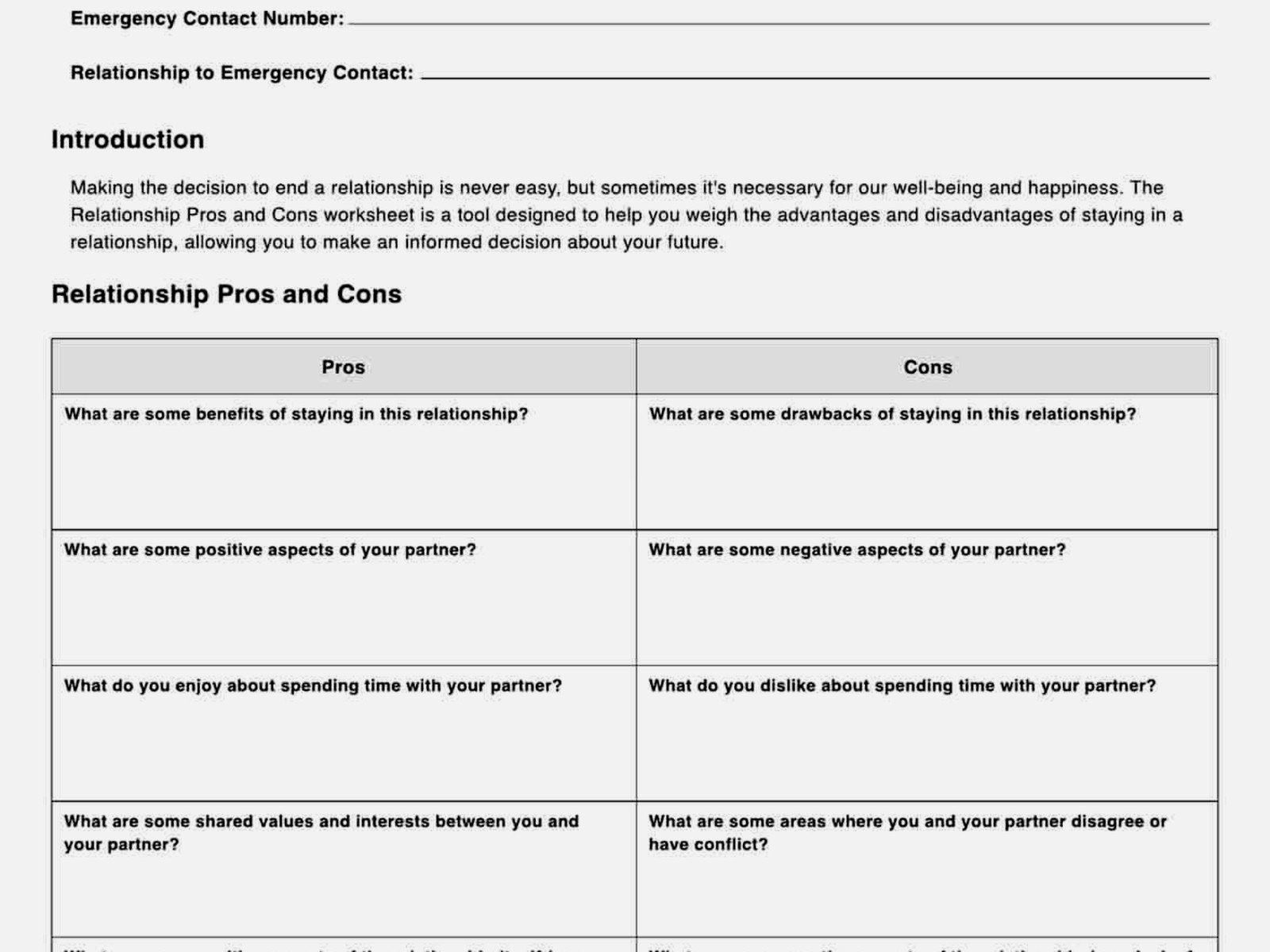
Couples therapy worksheets exist because most relationship problems aren’t actually that mysterious—they’re just the same five or six patterns repeating in different contexts with different people. You need structured ways to interrupt those patterns, and worksheets give you that framework without requiring you to book a $200 session every week.
Why Worksheets Actually Work When Talking Doesn’t
I remember back in 2019 working with a couple who’d been “trying to communicate better” for like three years. They read all the books, listened to podcasts, knew all the terminology. But every conversation still turned into the same argument because they had no actual structure. The moment I handed them a simple feelings wheel worksheet and made them point instead of talk, something shifted. Written exercises force you to slow down your nervous system’s panic response long enough to actually process what you’re experiencing.
The structure matters more than the content most of the time. When you’re filling out a worksheet, you can’t interrupt your partner. You can’t derail into that thing from 2018 that has nothing to do with the current issue. The format itself creates boundaries that most couples can’t maintain in open conversation.
Worksheets also create documentation. You can look back at what you wrote three months ago and actually see patterns you’d otherwise deny or forget. I’ve had clients swear up and down they “never do that thing” until I show them their own handwriting saying exactly that thing from four different worksheets.
Communication Pattern Worksheets
The Gottman Sound Relationship House worksheets are probably the most evidence-based option out there. They’re based on actual research instead of just someone’s opinion about what relationships should look like, which—honestly, so much couples content is just someone’s personal marriage advice dressed up as universal truth and it drives me completely up the wall.
The dreams-within-conflict worksheet is particularly useful because it gets at the actual values underneath the surface argument. You’re not really fighting about loading the dishwasher. You’re fighting about respect or fairness or childhood stuff about being controlled. The worksheet walks you through identifying what the recurring gridlock issue is, what your position is, and then—this is the important part—what deeper dream or value is being threatened.
You can find free versions of Gottman-style worksheets on the Gottman Institute website, though some require creating an account. There are also modified versions floating around on therapy blogs that hit the same concepts.
Speaker-listener technique worksheets structure turn-taking in a way that feels kinda artificial at first but actually works. One person talks for a set time while the other person only listens and then reflects back what they heard. You switch roles. The worksheet version has prompts and spaces to write so you’re not just winging it. My cat just knocked over my water bottle, hang on—okay, anyway, the written component means you prepare what you want to say instead of just reacting emotionally in the moment.
Active Listening Templates
These usually include sentence starters like “What I hear you saying is…” or “It sounds like you’re feeling…” which seem cheesy but override your brain’s natural instinct to formulate your counterargument while the other person is still talking.
The best free ones I’ve found include space for both partners to write their reflections separately before discussing. This catches the distortions that happen in real-time. You think you’re accurately hearing your partner, but when you write it down and they read it, turns out you added three things they never said and missed the main point entirely.
Conflict Resolution and Fight Recovery Worksheets
After a big fight, most couples either avoid each other until the tension fades or jump back into normal life without actually processing what happened. Both options pretty much guarantee you’ll have the exact same fight again within a month.
Post-conflict worksheets walk you through the anatomy of what just happened. What triggered it, what each person actually needed, where it escalated, what repair attempts were made (or weren’t), what each person could do differently next time. You fill these out separately first, then compare.
The Aftermath of a Fight worksheet—there are several versions but they’re all similar—typically includes sections for identifying what you felt, what you needed, what you wish you’d said differently, and what you need now to move forward. The “what you need now” section is crucial because it prevents the common pattern where you apologize and make up but nobody actually got what they needed, so resentment just builds underneath.
I will say, the badly designed versions of these worksheets are the ones that include questions like “What did you do wrong?” or “How did you hurt your partner?” Those shame-based frameworks usually just make people defensive. The better versions focus on understanding patterns rather than assigning blame.
Fair Fighting Rules Worksheets
These establish ground rules before conflict happens. You both agree to specific guidelines like no name-calling, no bringing up past issues, taking breaks when things get too heated, whatever rules actually make sense for your specific dynamic.
You can find templates that list common fair fighting rules and you check off which ones you agree to, or you can use blank worksheets where you create your own rules together. The second option works better in my experience because people follow rules they created more consistently than rules someone handed them, but it requires more upfront work.
Intimacy and Connection Building Worksheets
The 36 Questions That Lead to Love—you’ve probably seen this one going around, it’s based on Arthur Aron’s research from the 90s—works as a worksheet format where you go through increasingly personal questions together. Does it guarantee you’ll fall in love? Nah. But it does create vulnerability and disclosure, which are prerequisites for intimacy.
What I actually use more often are the modified versions specifically designed for established couples rather than strangers. Those focus on rediscovery rather than initial discovery. Questions about how your partner has changed, what you’ve learned about them recently, what you want to understand better about their inner world.
Love maps worksheets help you track knowledge about your partner’s daily life, preferences, stressors, dreams, history. Sounds obvious, but most long-term couples fail basic questions about each other’s current life. You knew their favorite food in 2015, but people change. These worksheets have specific categories—friends, work stress, current goals, recent disappointments—that you fill out and then quiz each other on.
Appreciation and Gratitude Logs
When you’re stuck in negative sentiment override—where you interpret even neutral things your partner does as negative—gratitude worksheets can help reset your perception. You write down specific things your partner did that day or week that you appreciated.
The key is specificity. “He’s a good dad” doesn’t do anything for your brain. “He got up with the kids Saturday morning without being asked so I could sleep in” creates an actual memory your brain can reference. You’re building evidence against the negative narrative that’s taken over.
Some worksheets include prompts for different categories—things they did for you, things they did for the household, things they did for themselves that you admire, qualities you value. You fill it out daily or weekly depending on how disconnected you’re feeling.
Needs and Expectations Worksheets
Unspoken expectations kill more relationships than actual incompatibility. You think your partner should just know that you need verbal affirmation or that household tasks should be split exactly 50/50 or that family holidays are non-negotiable. They’re operating on completely different assumptions. Nobody’s wrong, but nobody’s talking about it explicitly either.
Needs inventory worksheets list different categories of needs—emotional, physical, social, sexual, financial, practical—and you rate how well those needs are currently being met and how important each one is to you. Your partner does the same. Then you compare and usually discover you’ve been focused on needs they don’t actually care that much about while ignoring the ones that matter most to them.
I spent most of summer 2021 writing worksheet roundups for different therapy sites and started actually testing them with my husband because I was gonna write about them anyway, might as well see what works. The needs worksheets created the most immediate, tangible shifts because they bypassed all the mind-reading we’d been doing.
Relationship Expectations Checklist
This one’s more specific than general needs. It covers expectations about division of labor, social life, extended family involvement, financial management, parenting approaches if relevant, sexual frequency, how you spend free time, how you handle conflict, how much alone time each person gets.
You each mark what you expect, then what you think your partner expects, then compare all four columns. The gaps between what you expect and what they think you expect are usually wild. You’ve been walking around assuming they understand your position when they have no idea, or they’ve been trying to meet an expectation you don’t actually have.
Sexual Intimacy and Desire Worksheets
Most couples avoid talking about sex in any specific way until there’s already a major problem. Worksheets provide structure for conversations that feel too vulnerable or awkward to have spontaneously.
The sexual satisfaction inventory has you rate different aspects of your sexual relationship—frequency, variety, emotional connection during sex, physical satisfaction, initiation patterns, communication about preferences. You each fill it out, then discuss the gaps.
Some worksheets include sections for listing turn-ons, boundaries, fantasies, concerns, or things you want to try. Having it in writing means you can share things that feel too scary to say out loud initially. Your partner can read and process before responding, which reduces the chances of a reactive negative response that shuts down future disclosure.
Desire and Arousal Mapping
These help you identify your specific arousal patterns and triggers. Are you spontaneous desire or responsive desire? What contexts make you feel sexual vs. shut down? What does your ideal sexual experience look like? How do you want to be initiated with?
The worksheets usually include diagrams or scales where you track your desire levels throughout the week or month and note what factors seemed to influence them. Sleep, stress, how connected you felt emotionally, where you were in your cycle if applicable, whether you’d had conflict recently—or wait, sometimes conflict actually increases desire for some people, the worksheets help you figure out your actual patterns instead of what you think they should be.
Values and Goals Alignment Worksheets
You can love someone and still be fundamentally incompatible if your core values and life goals don’t align. These worksheets help you identify what actually matters to you and whether you’re moving in the same direction.
Life goals worksheets have you each list your goals in different timeframes—one year, five years, ten years—and different life areas like career, family, location, lifestyle, personal growth, financial. Then you compare and see where you’re aligned and where you’re not.
The misalignments aren’t automatically relationship-enders, but they need to be negotiated explicitly. If one person’s ten-year goal is living abroad and the other person’s is staying near family, that’s gonna create problems if you don’t address it directly.
Shared Meaning and Rituals Worksheets
These explore the rituals, traditions, and symbolic meanings you want to create together. What makes your relationship feel special and distinct? What daily, weekly, or yearly rituals do you want to maintain? What values do you want your relationship to embody?
You each write your answers and then work together to identify shared rituals you want to prioritize. Maybe it’s Sunday morning coffee in bed, maybe it’s an annual trip, maybe it’s how you celebrate each other’s wins. The worksheet format makes you actually commit to specific practices instead of just vaguely wanting to “spend more quality time together.”
Where to Find Free Worksheets
The Gottman Institute website has free resources if you create an account. Therapist Aid has dozens of free couples worksheets organized by category—you don’t need an account, just download the PDFs. Psychology Today’s website has some, though you have to dig around a bit.
Individual therapists’ websites often have free worksheet downloads, especially if they’re trying to build their email list. The quality varies wildly. Some are evidence-based and well-designed, others are just someone’s opinion formatted into boxes.
Couples therapy apps like Lasting or Paired include worksheet-style exercises, though they’re not free after the trial period. The free versions usually give you enough to decide if the approach works for you.
How to Actually Use These Instead of Just Downloading and Forgetting
You’ve gotta schedule it. Seriously, if you just download worksheets thinking you’ll get to them when you have time, they’ll sit in your downloads folder forever alongside those recipes you saved and that article you meant to read.
Pick a specific time weekly. Sunday morning, Thursday evening, whatever actually works for your schedule. Thirty minutes minimum. Turn off devices, sit somewhere comfortable, fill out worksheets separately first, then discuss together.
Some worksheets work better as ongoing practices rather than one-time exercises. The gratitude logs, the love maps updates, the desire tracking—those need repetition to actually shift patterns. One session isn’t gonna rewire years of negative interaction cycles.
Be honest on the worksheets even when it feels uncomfortable. If you just write what you think you should feel or what won’t upset your partner, you’re wasting your time. The whole point is getting the actual truth on paper so you can work with reality instead of assumptions.