What Online Mental Health Platforms Actually Are
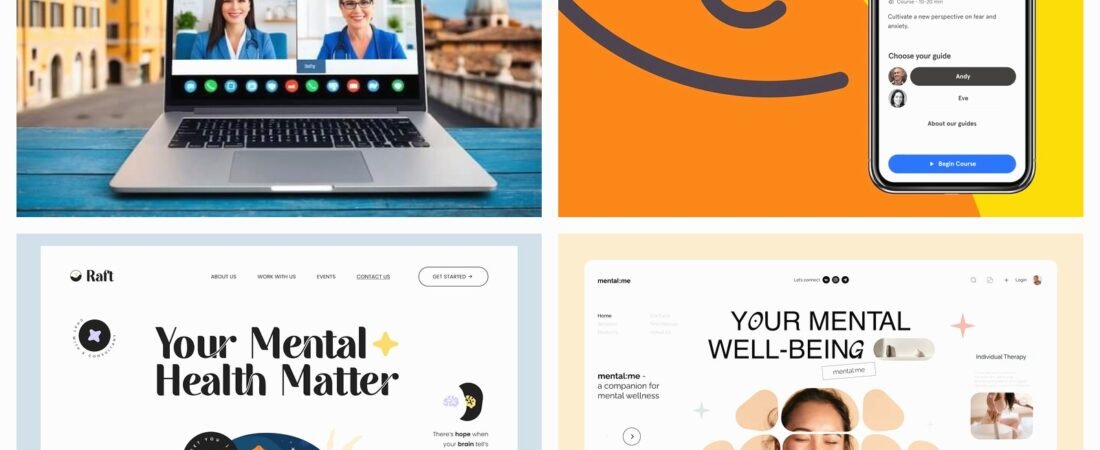
Online platforms for mental health are digital services that connect you with therapists, counselors, or psychiatric providers through video calls, messaging, or phone sessions. Some platforms also offer self-guided tools like worksheets, mood trackers, and courses. They’re not apps where you journal into the void—they’re structured services with licensed professionals on the other end, though the level of licensure and oversight varies wildly depending on which one you pick.
I remember back in 2019 when a colleague showed me her intake process for one of these platforms and I was genuinely surprised at how thorough the matching questionnaire was. Like, more detailed than some in-person practices I’d seen. But then she told me about the payment structure for therapists and I got kinda annoyed because the platform was taking a massive cut while marketing itself as this accessible, affordable solution for clients.
The basic model works like this: you sign up, answer questions about what you’re looking for, get matched with a provider, and start sessions. Payment is usually subscription-based or per-session. Most platforms handle scheduling, billing, and video infrastructure so therapists don’t have to worry about the tech side.
Types of Platforms You’ll Actually Encounter
There are three main categories and they operate pretty differently from each other.
Therapy Matching and Video Session Platforms
These connect you directly with licensed therapists for scheduled sessions. BetterHelp and Talkspace are the big names here, but there are dozens of others. You typically pay a weekly or monthly subscription fee that covers a certain number of sessions or messaging access. The therapist is assigned to you based on your preferences—gender, specialty, availability, that sort of thing.
What annoys me about these is the marketing language. They constantly say “affordable” and “accessible” but when you actually break down the cost, you’re often paying $260-$360 per month for what might be one live session and some text exchanges. That’s not cheaper than many in-person therapists, especially if you have insurance that covers traditional therapy. The accessibility part is real for people in rural areas or with mobility issues, but the affordability claim needs an asterisk the size of Texas.
Psychiatry and Medication Management Platforms
Services like Cerebral, Done, and Brightside focus on psychiatric evaluation and medication management. You meet with a prescriber—usually a psychiatric nurse practitioner or psychiatrist—who can diagnose conditions and prescribe medication. Follow-ups are typically shorter and more focused on medication adjustment than traditional talk therapy.
These platforms exploded during the pandemic when telehealth restrictions loosened. Some have therapy components too, but the main draw is getting evaluated and prescribed medication without going to a physical office. The turnaround is usually faster than booking with a psychiatrist in your area, where wait times can stretch to months.
Self-Guided and AI-Assisted Tools
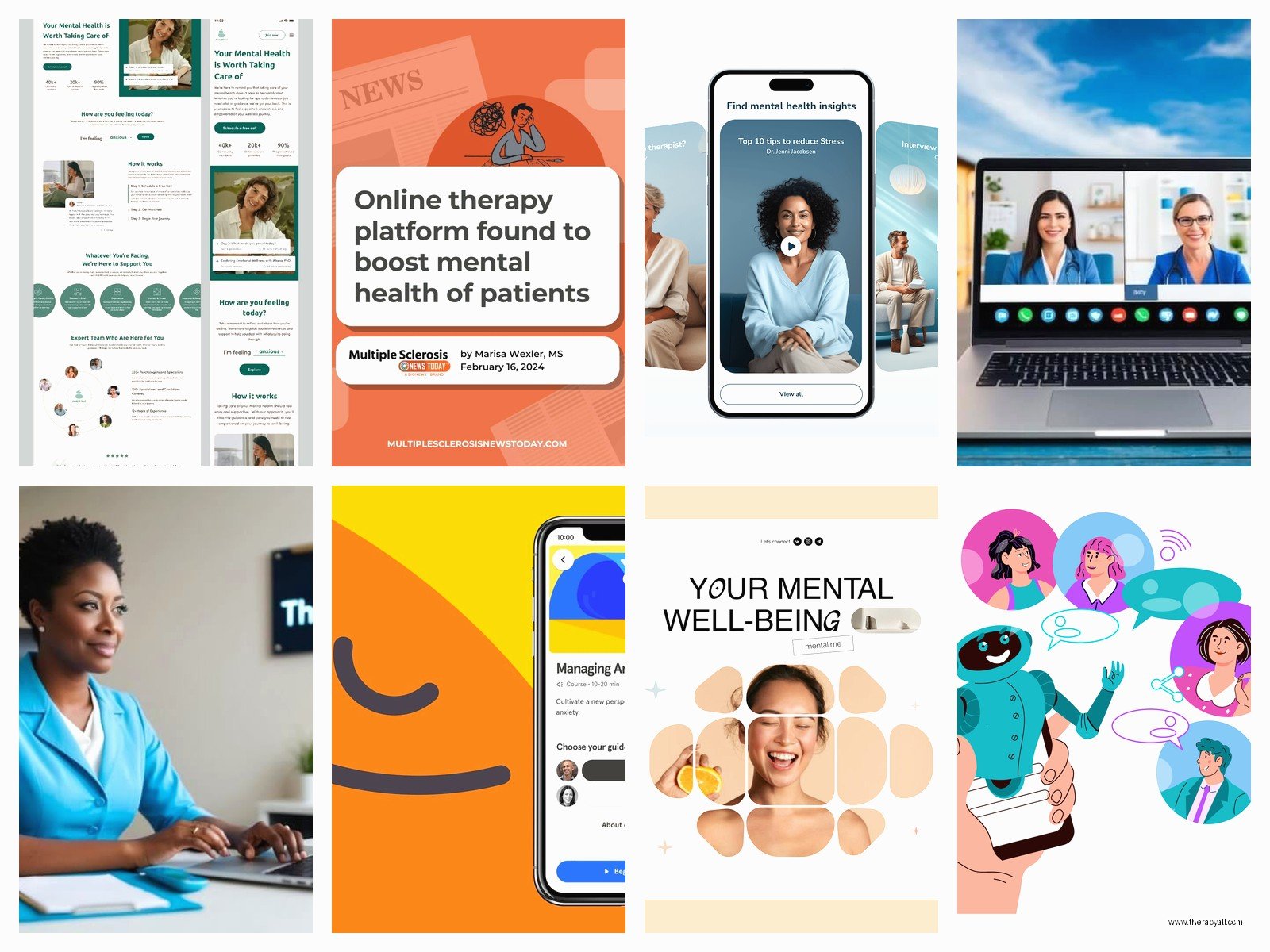
Then there are platforms that don’t connect you with a human provider at all, or only minimally. Think apps with CBT exercises, mood tracking, meditation guides, or chatbot-style interactions. Woebot and Sanvello fall into this category. Some are free, some charge subscription fees.

I’ve used a few of these myself when I was writing comparison articles in 2021 and honestly, some of the CBT thought record features were better designed than the paper worksheets I’d been recommending for years. But they’re not therapy. They’re tools. My cat knocked over my coffee while I was testing one of them and the app sent me a notification about “noticing disruptions without judgment” which was… timing, I guess.
How the Matching Process Works
When you sign up for a therapy platform, you fill out an intake questionnaire. This usually covers your symptoms, what you’re hoping to work on, preferences for therapist demographics and approach, schedule availability, and sometimes insurance information.
The platform’s algorithm—or sometimes an actual human coordinator—reviews your responses and assigns you a therapist from their network. Most platforms let you switch therapists if the first match doesn’t work out, though the process for doing that varies. Some make it easy with a single click, others require you to explain why you want to switch, which feels unnecessarily awkward.
Here’s what you should know: the therapist you get is limited to whoever is in that platform’s network and available in your state. Licensure is state-specific, so your options depend on where you live. If you’re in California or New York, you’ll have way more choices than if you’re in Wyoming.
What Actually Happens in Online Sessions
Video sessions function pretty much like in-person therapy, just through a screen. You log into the platform at your scheduled time, join a video room, and talk to your therapist for 45-60 minutes typically. Some platforms offer phone sessions if you don’t want video.
Between sessions, many platforms include messaging features. You can send your therapist messages and they’ll respond within a day or so—or sometimes longer, depending on the platform’s policies and the therapist’s workload. This isn’t crisis support and it’s not meant to be constant texting. It’s more like email check-ins.
The messaging thing is where I see a lot of confusion. Clients sometimes expect immediate responses or think they can have entire therapy conversations over text. That’s not how it works. The therapist is juggling multiple clients and the messaging is supplementary to the actual sessions, not a replacement.
Insurance Coverage and Payment Models
This is gonna be the frustrating part for a lot of people. Most online therapy platforms don’t take insurance directly. You pay out of pocket and then the platform might provide you with a superbill—a receipt you can submit to your insurance for potential reimbursement. Whether you actually get reimbursed depends on your specific plan’s out-of-network benefits.
Some newer platforms are starting to accept insurance, but the list of accepted plans is usually limited. Psychiatry platforms are more likely to work with insurance than therapy-focused ones.
The subscription model means you’re paying whether you use all your sessions or not. If you pay $300 for the month and only have one session because life got busy, you still paid $300. Some platforms let you pause your subscription, others don’t.
I spent an entire afternoon in 2022 trying to figure out the actual cost breakdown for an article and the pricing structures were deliberately confusing—different tiers, different session limits, promotional rates that expire. It felt designed to make comparison shopping difficult.
Privacy and Security Considerations
Online platforms are required to be HIPAA-compliant if they’re providing healthcare services, which means they need to protect your health information. But HIPAA doesn’t cover everything. Your account information, email, and some usage data might not have the same protections as your therapy notes.
Read the privacy policy before you sign up. I know that’s boring advice that nobody follows, but actually do it for these platforms. Look for what data they collect, whether they share it with third parties, and how they handle situations like legal requests for your information.
Video sessions should be encrypted. Messaging should be secure. The platform should have clear policies about data retention—how long they keep your therapy records and messages after you stop using the service.
One thing that genuinely bothered me when I was researching this: some platforms have been caught sharing user data with advertisers or using session data to train their algorithms without clear disclosure. That’s not all platforms, but it’s happened enough that you need to be careful about which service you trust with your mental health information.
Licensing and Provider Credentials
Therapists on these platforms should be licensed in your state. That’s non-negotiable. The platform should clearly display their credentials—LCSW, LPC, LMFT, psychologist, whatever their license type is.
You can verify a therapist’s license through your state’s licensing board website. I actually recommend doing this, especially if you’re gonna be working with someone long-term. It takes like five minutes and you can confirm they’re currently licensed, check if there are any disciplinary actions, and see how long they’ve been practicing.
Some platforms use providers who are licensed but maybe newly licensed or don’t have extensive experience with your specific issue. That’s not necessarily bad, but it’s information you should have. A platform that doesn’t make it easy to see your therapist’s full credentials is a red flag.
When Online Platforms Work Well
These services are genuinely useful for specific situations. If you live somewhere without many mental health providers, online access opens up options that wouldn’t exist otherwise. I’ve worked with people in rural areas who had to drive two hours to see a therapist before telehealth became common, and for them, online platforms are kinda life-changing.
They’re also good for people with mobility issues, chronic illness, or social anxiety that makes getting to appointments difficult. The barrier to entry is lower—you don’t have to navigate a waiting room or worry about running into someone you know.
For maintenance therapy—when you’re stable but want to check in regularly—the messaging feature can be helpful. You can update your therapist about a situation without waiting for your next session, and they can offer brief feedback to hold you over.
Schedule flexibility is another real advantage. Many platforms have therapists available during evenings and weekends, which is harder to find with traditional practices.
When They Don’t Work as Well
If you’re in crisis or dealing with severe symptoms, most online platforms aren’t set up to handle that. They typically have disclaimers that they’re not for emergencies and don’t provide crisis intervention. Some have crisis resources listed, but that’s about it.
The lack of continuity can be a problem. Some platforms have high therapist turnover, so you might get switched to a new provider without much notice. Building a therapeutic relationship takes time, and starting over with someone new is frustrating and potentially counterproductive.
Technical issues happen. Internet cuts out, video freezes, audio lags—or wait, I’m thinking about that session I observed where the therapist’s video kept freezing on the most unfortunate facial expressions and the client couldn’t stop laughing. That was actually a moment that helped their rapport, but usually tech problems just interrupt the flow of conversation.
If you need specific modalities like EMDR or somatic work, online formats have limitations. Some therapy approaches just work better in person where the therapist can pick up on body language and physical cues more clearly.
Questions to Ask Before Signing Up
What are the actual credentials of providers on your platform? Can I choose my therapist or am I assigned one? How does switching therapists work if the match isn’t good?
What’s included in my subscription? How many live sessions? Is messaging included and what’s the expected response time? Can I pause or cancel my subscription easily or am I locked into a contract?
Do you accept my insurance? If not, will you provide superbills? What’s your privacy policy and who has access to my session notes and messages?
What happens if I’m in crisis? Do you have 24/7 support or crisis resources? What’s your policy on involuntary hospitalization or safety concerns?
How long have your therapists been licensed? Do you provide ongoing training and supervision? What’s your therapist retention rate?
Comparing Different Platforms
BetterHelp is the biggest and has the most therapists, which means more matching options but also more variability in quality. They’ve had controversies about data sharing and how they pay therapists.
Talkspace offers both therapy and psychiatry services. Their messaging model is more central to their approach than some other platforms. They’ve made moves toward accepting more insurance plans.
Cerebral focuses on psychiatry and medication management, though they’ve scaled back some services after regulatory scrutiny about prescribing practices for controlled substances.
MDLIVE and Teladoc are broader telehealth platforms that include mental health services alongside medical care. They’re more likely to work with insurance but may have fewer specialized mental health features.
There are also specialized platforms for specific populations—teens, LGBTQ+ individuals, people of color, specific conditions like OCD or eating disorders. These can offer more targeted matching but have smaller provider networks.
The Reality of Provider Experience on These Platforms
I’m gonna be honest about something that doesn’t get talked about enough: many therapists don’t love working for these platforms. The pay is often significantly lower than private practice rates, and they’re dealing with higher caseloads to make up for it. That can lead to burnout and turnover.
Some platforms expect therapists to be available for messaging outside of session times without additional compensation or with minimal compensation. That’s not sustainable long-term.
This matters to you as a client because a burned-out therapist with an overwhelming caseload can’t provide the same quality of care as someone with reasonable working conditions. It’s not about the individual therapist’s dedication—it’s about structural issues with how these platforms operate.
Self-Guided Tools and What They Can Actually Do
If you’re using a platform with self-guided tools rather than live therapy, understand what you’re getting. These can teach you CBT techniques, help you track mood patterns, guide you through relaxation exercises, or provide psychoeducation about mental health conditions.
They can’t diagnose you. They can’t provide personalized treatment planning. They can’t adapt to your specific situation the way a human therapist can. They’re essentially sophisticated worksheets and educational content with better user interfaces.
That doesn’t mean they’re useless. For mild symptoms or as a supplement to therapy, they can be helpful. Some people benefit from the structure and daily check-ins. The mood tracking data can be useful to bring to a therapist or doctor.
But there’s been this push to position these tools as therapy replacements, especially for cost savings, and that’s where I get annoyed. They’re tools. They’re not therapy. Calling them therapy muddies the water about what people actually need.
Red Flags to Watch For
If a platform guarantees immediate matching with no wait time, question how they’re vetting their providers and whether they have enough therapists to maintain quality.
If they make it difficult to cancel or require you to go through multiple steps and conversations to end your subscription, that’s manipulative design.
If they’re vague about credentials or don’t make it easy to see your therapist’s license information, walk away.
If their privacy policy includes selling your data or sharing information with third parties for marketing, that’s a major concern.
If they advertise themselves as treating everything from mild anxiety to severe mental illness with the same approach, they’re overpromising.
Making the Decision That Actually Fits Your Situation
Online platforms work best as one option in a range of mental health resources, not as the only option. If you’re considering one, think about what you specifically need. Is it access because there are no providers near you? Is it schedule flexibility? Is it the lower barrier to starting?
Match that need against what different platforms actually offer. Don’t just go with the one that advertises the most. Look at their provider credentials, their policies, their pricing structure beyond the promotional rate.
If you have insurance, check whether traditional teletherapy with an in-network provider might be a better option. Many individual therapists now offer video sessions and you’d get insurance coverage.
Consider starting with a shorter subscription to test out the platform and your matched therapist before committing to months of payment. See if the technology works smoothly, if the therapist is a good fit, if the messaging feature is actually useful for you or just feels like another thing to manage.