
Mental Health, Therapy resources
CPT Challenging Beliefs Worksheet: Trauma Processing Exercise

Jun
# Understanding the CPT Challenging Beliefs Worksheet
Cognitive Processing Therapy uses specific worksheets to help people work through trauma, and the Challenging Beliefs Worksheet is probably the most direct tool in the whole protocol. It’s not gentle. It doesn’t ease you into anything. You write down a stuck point—which is basically a belief that trauma created or reinforced—and then you systematically question whether that belief actually holds up under scrutiny.
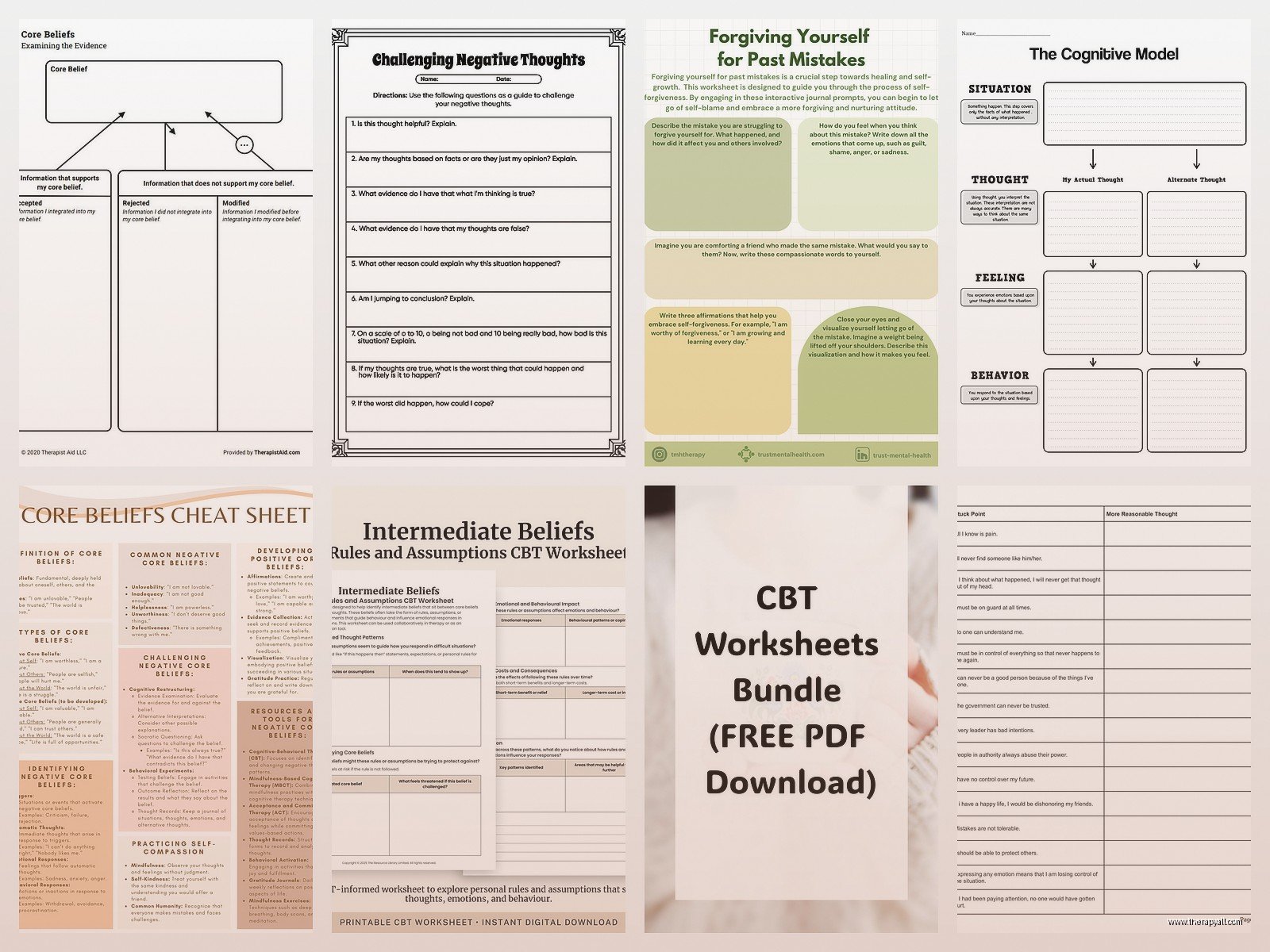
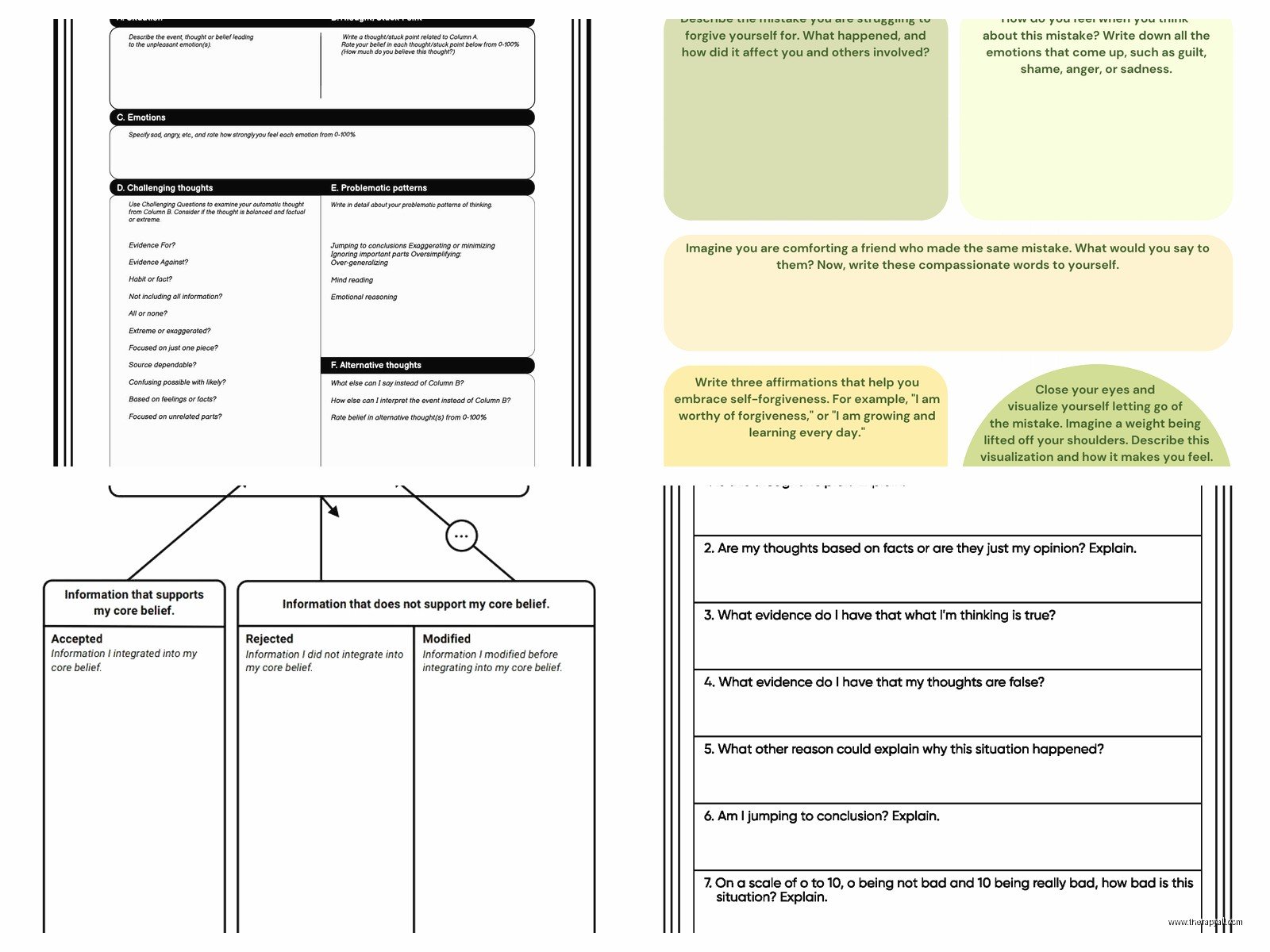
The worksheet typically has columns. You’ve got your stuck point in one column, then evidence for and against, then alternative thoughts, and finally a rating of how much you believe the original thought after going through the process. I remember working with a client in 2019 who looked at the worksheet for the first time and said “this looks like a court case against my own brain” and honestly, yeah, that’s kinda what it is.
## What Stuck Points Actually Are
Stuck points aren’t just negative thoughts. They’re beliefs that got cemented during or after trauma and now they’re interfering with recovery. Common ones include “the world is completely dangerous,” “I should have known better,” “I can’t trust anyone,” or “I’m permanently damaged.” These beliefs make sense given what happened to you, but they overgeneralize the trauma experience to everything else in life.
What drives me absolutely nuts is when I see therapy content that treats stuck points like they’re just pessimistic thinking you can positive-affirmation your way out of. Nah. These are deeply held convictions that your brain created as a survival mechanism. You believed these things for a reason, and the worksheet isn’t about pretending they’re silly or unfounded—it’s about examining whether they’re still accurate or helpful now.
The stuck points usually fall into categories that CPT identifies: safety, trust, power/control, esteem, and intimacy. A single traumatic event can create stuck points across multiple categories. Someone who experienced assault might develop beliefs about their own judgment (esteem), about whether anyone is trustworthy (trust), about their ability to protect themselves (power/control), all at once.
## How the Worksheet Actually Functions
You start by identifying the stuck point. This needs to be specific. “I feel bad” isn’t a stuck point. “I am responsible for what happened to me because I didn’t fight back hard enough” is a stuck point. See the difference? One is a feeling, the other is a belief with a specific claim you can actually examine.
Then you write evidence that supports the stuck point. This is often where people—I’m gonna be honest, I did this too when I first worked through CPT materials myself during a training—try to write evidence that disproves it. But that’s not the instruction. You actually have to take the stuck point seriously and write down why your brain believes it. Maybe you didn’t fight back. That’s real evidence. Maybe the person who hurt you said it was your fault. That happened. Write it down.
Next column is evidence against the stuck point. This is where you look for information that contradicts the belief. Did you freeze because that’s a normal biological response to threat? Is freezing the same as consent? Were you actually responsible for someone else’s choice to harm you? The evidence against section requires you to think about context, about what you actually knew at the time versus what you know now, about whether you’re holding yourself to standards you wouldn’t hold anyone else to.
My cat just knocked over my water bottle on my desk and I’m trying to ignore it but there’s water spreading toward my notebook, hang on—okay, anyway.
## The Alternative Thought Component
After examining evidence both ways, you write an alternative thought. This isn’t a positive affirmation. It’s not “I am a beautiful strong survivor.” It’s a more accurate, balanced statement that accounts for the actual evidence. Something like “I responded to a threat the way my body was wired to respond, and the person who hurt me made a choice that I wasn’t responsible for.”
The alternative thought should feel more true than the original stuck point, even if it doesn’t feel comfortable yet. You rate how much you believe the original stuck point now, after going through this process. Usually it drops. Sometimes it doesn’t drop much the first time you do the worksheet, and that’s information too—it might mean you need to examine that stuck point from different angles or that there are other stuck points underneath it.
I’ve seen therapists who use CPT skip this worksheet or treat it as optional, which honestly makes no sense to me because it’s the actual mechanism of change in the therapy. You’re not just talking about trauma, you’re not just processing emotions—you’re directly challenging the meaning you made of what happened.
## Common Stuck Points and How They Show Up
Safety stuck points often sound like “nowhere is safe” or “I have to be on guard all the time or something bad will happen.” The evidence for these might include the fact that something bad did happen, maybe when you thought you were safe. Evidence against might include times you’ve been safe since then, the statistical reality of danger versus your perception of it, or the difference between being cautious and being controlled by fear.
Trust stuck points are tricky because trauma often does involve betrayal. “I can’t trust my own judgment” or “people will always let me down” come up constantly. You have to look at whether you’re overgeneralizing from one or several experiences to all people, all situations, forever. And sometimes the evidence actually does support being more careful about who you trust—but there’s a difference between discernment and total isolation.
Power and control stuck points include beliefs like “I’m helpless” or “bad things always happen to me.” These often involve confusing the lack of control you had in one situation with lack of control in your entire life. The worksheet helps you identify areas where you do have agency, choices you’ve made since the trauma, ways you’ve protected yourself or others.
Esteem stuck points are the ones that attack your worth directly. “I’m dirty,” “I’m damaged,” “there’s something wrong with me.” Evidence for these often involves things other people said or the shame that came with the trauma. Evidence against involves separating what happened to you from who you are, which sounds simple but is actually one of the hardest cognitive shifts to make.
Intimacy stuck points affect relationships: “I’ll never be able to have a normal relationship” or “if people really knew what happened they’d reject me.” Working through these on the worksheet means looking at actual relationship experiences you’ve had, ways people have responded when you have shared things, and whether you’re predicting the future based on fear rather than evidence.
## The Process Isn’t Linear
You don’t just do the worksheet once. You do it repeatedly, for different stuck points, and sometimes for the same stuck point multiple times as you discover different layers. I worked with someone who did the worksheet for “I should have screamed” probably six or seven times, each time finding different evidence against, different ways to understand her freeze response, before the belief rating actually shifted significantly.
Some stuck points are more stubborn than others, and sometimes that’s because they’re tangled up with other beliefs. You might need to challenge “I can’t trust anyone” before you can really challenge “I’m not worthy of healthy relationships” because the second one assumes the first one is already true.
The worksheet also doesn’t work if you’re just going through the motions. You have to actually engage with the evidence, sit with the discomfort of questioning beliefs that have felt true for a long time, and—this is the part that’s hard—be willing to consider that your brain might have drawn conclusions that made sense during trauma but don’t fit your life now.
## What Therapists Need to Know
If you’re a therapist using this worksheet, you need to do the psychoeducation first. Clients need to understand what stuck points are, why trauma creates them, and how the worksheet functions before they start filling it out. Just handing someone the worksheet without context is gonna get you nowhere.
You also need to help clients identify their actual stuck points, which is harder than it sounds. People often start with surface-level complaints or feelings instead of the underlying beliefs. “I’m anxious all the time” isn’t a stuck point—but underneath that might be “the world is dangerous and I have to be hypervigilant to survive,” which is.
Watch for avoidance during the worksheet. If someone consistently can’t think of evidence against their stuck point, that’s probably avoidance, not actual lack of evidence. Or if they rush through it, write vague responses, those are signs you need to slow down and work through it together.
## Technical Details People Mess Up
The stuck point needs to be stated as a belief, not a question. “Why did this happen to me?” isn’t a stuck point. “I deserved what happened to me” is. The question form doesn’t give you something concrete to examine.
Evidence needs to be specific, not general. “Bad things happen” isn’t evidence. “I was assaulted in a parking lot” is evidence. You’re looking at concrete facts, not abstract interpretations.
The alternative thought shouldn’t just be the opposite of the stuck point. If the stuck point is “I can’t trust anyone,” the alternative isn’t “I can trust everyone.” It’s something like “I can learn to identify trustworthy people and build trust gradually” or “not everyone is safe, but not everyone is dangerous either.”
## When the Worksheet Doesn’t Work
Sometimes people get stuck because the stuck point they’ve identified isn’t actually the stuck point. You think you’re working on “I should have fought back” but the real stuck point underneath is “I’m weak.” You have to find the core belief.
Sometimes the worksheet doesn’t work because someone isn’t ready to challenge the belief yet. There might be secondary gains—maybe believing “I’m damaged” protects you from having to try new things or risk rejection. That’s not manipulation, that’s just how our brains work, but it needs to be addressed before the worksheet will be effective.
And sometimes—I’m gonna trail off here because I just remembered a supervision session where we spent forty minutes on this—sometimes the worksheet doesn’t work because the stuck point is actually partially true and needs a different kind of intervention. If someone’s stuck point is “I wasn’t protected by the people who should have protected me” and that’s factually accurate about their childhood, you’re not challenging the accuracy of that belief, you’re processing the grief and anger about it.
## Practical Implementation Details
You can do the worksheet in session or as homework. In session lets you catch avoidance patterns and help generate evidence in real-time. As homework lets people process at their own pace. I usually start in session and then move to homework once someone gets the hang of it.
Keep the worksheets. Looking back at earlier ones shows progress—stuck points that used to be rated 100% belief might now be 30%, and that’s concrete evidence that the work is doing something.
Some people need to do the worksheet verbally first before writing. Some people need to write it and then talk through it. There’s no single right way to use the tool as long as you’re actually doing the cognitive challenging work.
The belief ratings at the end matter. If someone goes through the whole worksheet and their belief in the stuck point hasn’t budged at all, you need to figure out why. Are they just writing what they think you want to hear in the evidence against column? Did you actually identify the right stuck point? Is there trauma material that needs to be processed before beliefs can shift?
You’ll do multiple worksheets per stuck point sometimes. The first pass might drop belief from 100% to 75%. That’s progress. You do it again with different or deeper evidence and maybe it drops to 50%. This isn’t failure, it’s how the process works for deeply entrenched beliefs.
ADHD & Neurodiversity
Life Planner Bundle – Life Organizer
Self-Care & Personal Growth
Acceptance And Commitment
Anxiety & Stress
Stress Processing Journal & Reflection Worksheets For Daily Self – Care
Self-Care & Personal Growth
Self – Reflection Guided Journal With Guided Prompts 30
Emotional Wellness
Decision Processing – Thought Processing Journal For Daily Self – Care
Therapist Resources
Physiotherapist Journal PDF Planner Tracker Or Log Book
Self-Care & Personal Growth
Customizable Self – Confidence & Self – Esteem Guided Journal
ADHD & Neurodiversity
ADHD Behavior Tracker PDF Planner Tracker Or Log Book