What Art Therapy Sheets Actually Are
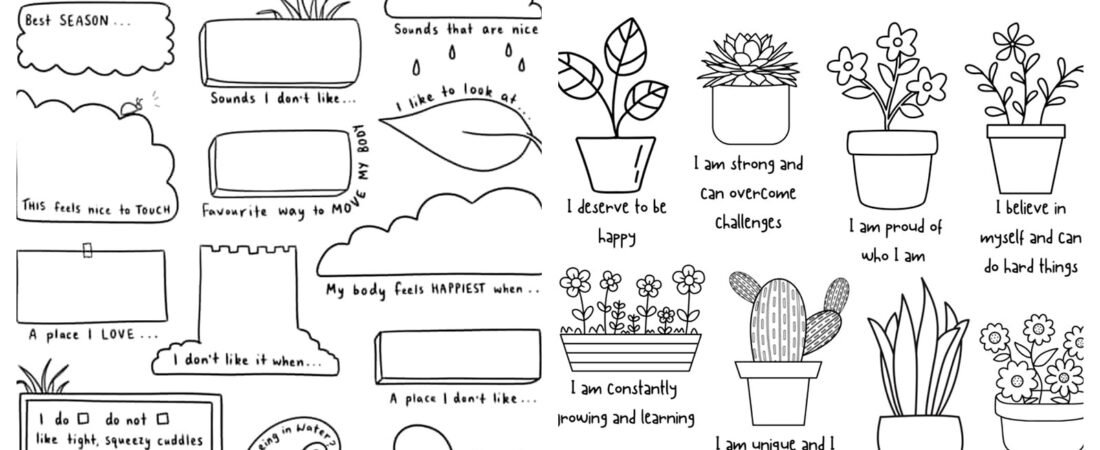
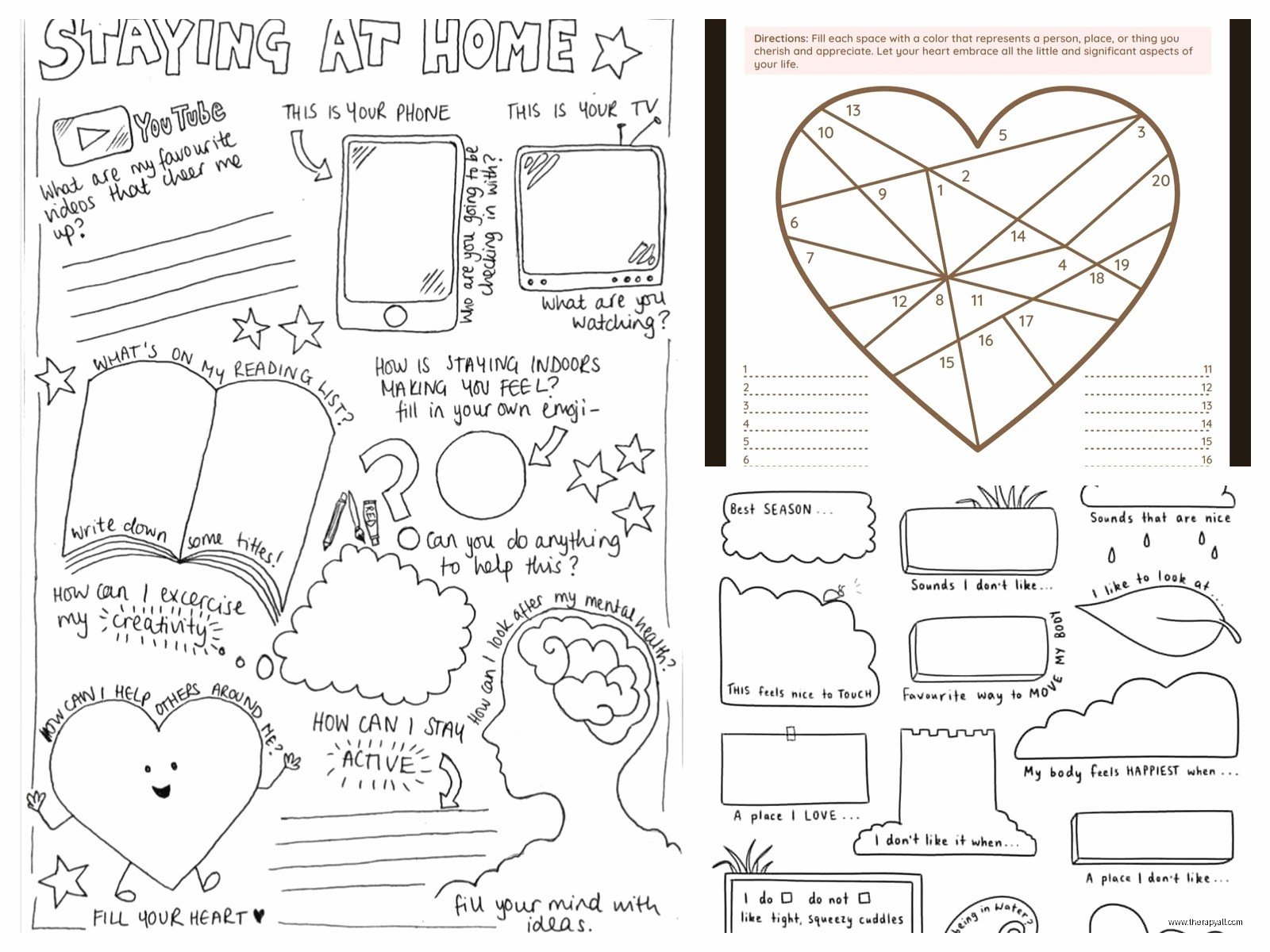
Art therapy sheets are structured worksheets or printable templates designed to guide therapeutic art-making activities. They’re used by licensed art therapists, counselors, psychologists, and sometimes educators to help clients explore emotions, process trauma, build coping skills, or work through specific mental health challenges using visual and creative expression instead of just talking.
These aren’t the same as adult coloring books or those “zen doodle” things that flooded Barnes & Noble around 2015. Art therapy sheets have specific therapeutic objectives built into their design. They might ask you to draw your feelings as weather patterns, create a visual timeline of a difficult experience, or use colors to represent different parts of your identity. The structure is intentional, not just decorative.
I remember back in 2019 working with a therapist who was transitioning from talk therapy to incorporating more creative interventions, and she kept asking me which sheets were “real” art therapy versus just craft activities. That distinction matters more than people think. A sheet that says “color this mandala to relax” isn’t the same as one that prompts “use three colors to show how anxiety feels in your body and where it lives.”
How They’re Different From Regular Worksheets
Standard CBT or DBT worksheets ask you to write things down, check boxes, rate your mood on a scale. Art therapy sheets ask you to draw, paint, collage, sculpt (though most sheets are 2D), or otherwise create something visual. The processing happens through the art-making itself, not just through verbal or written articulation.
You don’t need to be “good at art” to use them. That’s one misconception that genuinely annoys me—people see these tools and immediately say “oh I can’t draw” like that disqualifies them from the entire modality. The therapeutic value isn’t in creating something beautiful or technically skilled. It’s in the process of externalizing internal experiences through image, color, shape, and metaphor.
The sheets provide scaffolding for people who feel intimidated by a blank page. Instead of “just draw your feelings” which can feel paralyzing, they offer prompts like “draw your safe place” or “create a container for the emotions you’re not ready to deal with today.” That specificity helps, especially for clients who are concrete thinkers or who struggle with abstract emotional concepts.
Common Types You’ll Encounter
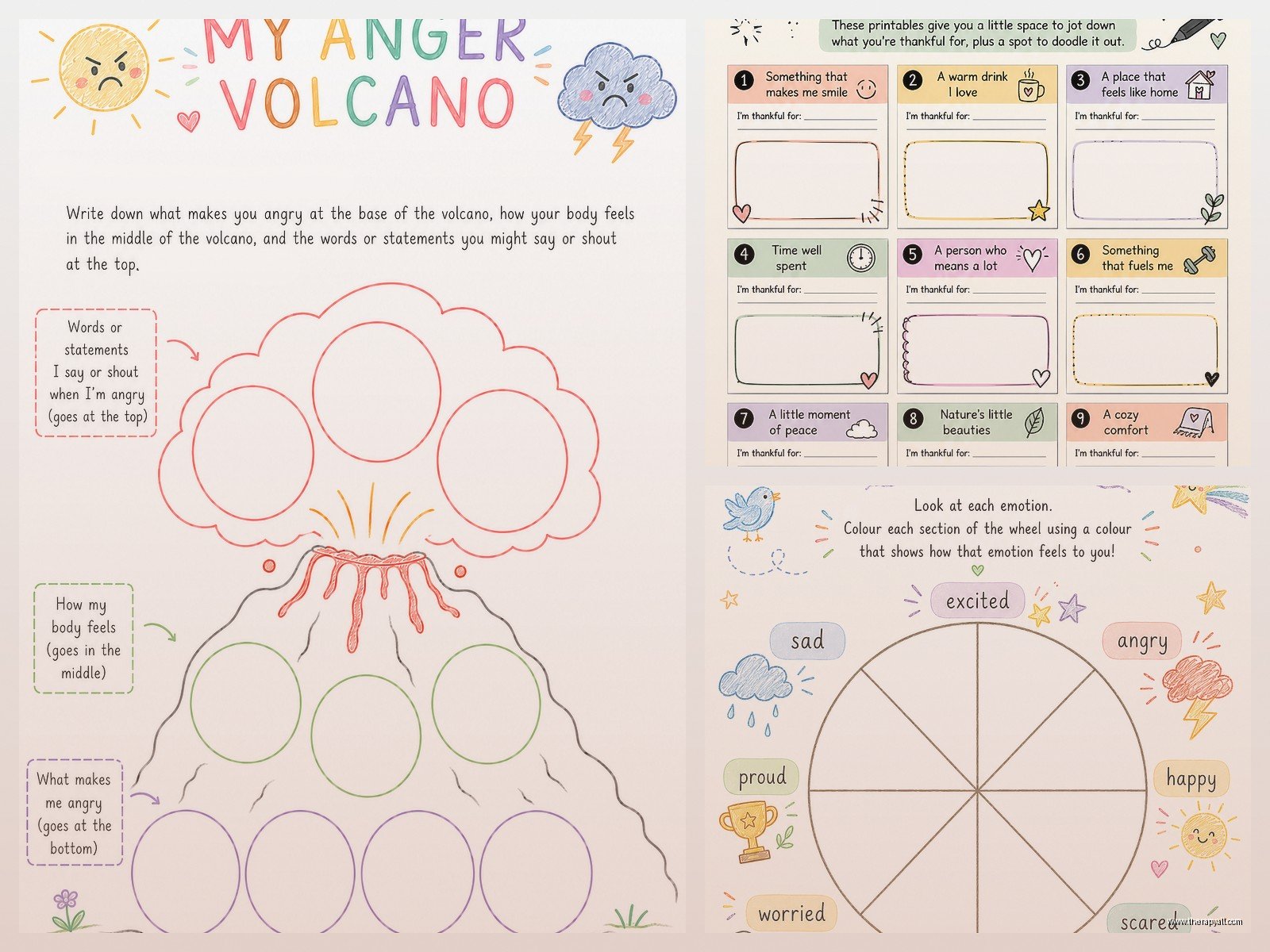
Emotion wheels or feeling faces are probably the most basic. These sheets show different facial expressions or color-coded sections representing various emotions, and you either identify which ones you’re experiencing or create your own variations. They’re useful for alexithymia or emotional awareness work.
Body mapping sheets give you an outline of a human figure and ask you to mark where you feel certain emotions, tension, pain, or other sensations. I’ve seen versions for anxiety, trauma, chronic illness, and even relationship stress. You might use colors, symbols, words, or textures to indicate what’s happening where. These are kinda powerful for people who dissociate or have trouble connecting physical sensations to emotional states.
Timeline or narrative sheets help you visually map out experiences across time. Could be a lifeline showing high and low points, a trauma narrative broken into before/during/after, or a recovery journey with milestones marked. The visual-spatial element makes patterns more obvious than written lists sometimes do.
Mandala or circular design sheets provide concentric circles or geometric patterns as containers for expression. Some are pre-drawn, some ask you to create your own. The circular format has something to do with wholeness and containment in Jungian theory, but honestly they just work well for people who like structure.
Metaphor-based sheets use imagery like bridges, mountains, oceans, houses, trees, or paths as frameworks for exploring psychological concepts. The “tree of life” exercise is everywhere in trauma-informed care—roots representing your origins and values, trunk as your strengths, branches as hopes or connections, leaves as specific people or experiences, and sometimes storms or scars to mark difficult periods.
Who Actually Uses These Things
Licensed art therapists (ATR, ATR-BC credentials) are trained specifically in this modality and use these sheets as part of comprehensive treatment plans. But you’ll also find them used by school counselors, social workers, occupational therapists, psychiatric nurses, and general mental health counselors who’ve taken continuing education courses in expressive therapies.
Some therapists create their own sheets tailored to their client populations. Others buy them from therapy marketplaces like Teachers Pay Teachers (which has a whole mental health section now), Etsy, or therapy-specific resource sites. The quality varies wildly. I’ve reviewed probably hundreds of these over the years and the badly designed ones—where the therapeutic intent is vague or the prompts are leading or the layout is just cluttered chaos—those drive me up the wall.
You can also use art therapy sheets outside of formal therapy. Some people buy workbooks full of them for self-help purposes. That’s fine, but the processing part is harder without a trained facilitator. The art-making might feel good in the moment, but understanding what you’ve created and integrating those insights takes skill to navigate, especially if you’re dealing with trauma or complex mental health stuff.
What Happens During an Actual Session
The therapist introduces the sheet and explains the prompt. They might show you materials available—markers, colored pencils, crayons, oil pastels, watercolors, magazine clippings for collage. Sometimes there’s a specific material recommended based on what they’re trying to access therapeutically. Like, watercolors for emotional fluidity, oil pastels for intensity, collage for narrative reconstruction.
You work on the sheet for however long feels right. Could be ten minutes, could be most of the session. The therapist might work alongside you on their own sheet, or they might observe, or they might step back entirely depending on their approach and what you need.
After you finish, there’s usually a processing conversation. The therapist asks about your choices—why those colors, what that symbol means to you, what it felt like to create that particular image. They’re not interpreting your art like a Rorschach test. You’re the expert on what your images mean. They’re just helping you articulate and explore what came up.
I sat in on a session once where—actually, this wasn’t art therapy, this was music therapy, completely different thing, never mind. But the processing part is similar across expressive modalities.
The Research Backing This Approach
Art therapy as a field has been building its evidence base for decades, though it’s still catching up to talk therapy modalities in terms of RCT quantity. Studies show effectiveness for PTSD, depression, anxiety, grief, chronic pain, and various other conditions. The art-making activates different neural pathways than verbal processing, which is why it can access stuff that talk therapy sometimes misses.
For trauma specifically, art therapy offers a way to process pre-verbal or non-verbal memories that don’t have a narrative structure yet. Trauma gets stored in sensory and emotional fragments, not coherent stories. Creating images can externalize those fragments without requiring you to put them into words before you’re ready.
The sheets themselves haven’t been researched as individual tools the way specific therapy protocols have. It’s more about art therapy as a whole. But the structure they provide aligns with what we know about therapeutic boundaries and safety—you need enough containment to feel safe exploring difficult material, but enough openness to allow authentic expression.
Limitations and When They Don’t Work
Some clients hate them. They feel patronizing or childish, especially if the design aesthetic skews too cutesy. There’s a version of the feelings wheel that has this pastel gradient thing happening and uses this rounded sans-serif font that just screams “elementary school guidance counselor office” and I’ve had multiple people tell me it made them feel talked down to.
Cultural considerations matter. Western therapeutic art tends to emphasize individual expression and personal symbolism, but not all cultures approach art or emotional expression that way. Some of these sheets assume a level of individualism or comfort with introspection that isn’t universal. A good therapist adapts or skips them when they’re not culturally responsive to the client’s background.
They’re not appropriate during acute crisis. If someone’s actively suicidal or psychotic or in the middle of a flashback, handing them a worksheet isn’t gonna cut it. These are tools for processing and skill-building, not crisis intervention.
For some people, the structure is too limiting. They need the blank page. The prompts feel constraining rather than supportive, and they’d rather just make art freely without a predetermined framework. That’s valid, and directive versus non-directive art therapy is a whole philosophical debate within the field.
Where to Find Quality Sheets
The Art Therapy Credentials Board website has resources, though they don’t sell worksheets directly. Professional organizations like the American Art Therapy Association sometimes share member-created resources. TherapistAid has free downloadable worksheets, including some art-based ones, though they’re more general mental health tools than specifically art therapy.
My cat just knocked over my coffee mug, great timing.
Etsy sellers who are actual licensed therapists tend to create better quality sheets than random digital download shops. You can usually tell from their shop descriptions and credentials listed. Teachers Pay Teachers has the same issue—some creators have clinical backgrounds, others are just making pretty printables without therapeutic grounding.
Books like “The Art Therapy Sourcebook” by Cathy Malchiodi or “Drawing from Within” by Victoria Rabinowe include exercises that you could adapt into sheet format. Some therapists do exactly that, creating their own templates based on established exercises from the literature.
How to Actually Use Them If You’re Not a Therapist
You can absolutely use art therapy sheets for self-reflection and emotional processing outside of formal therapy. Just go in with realistic expectations about what you’re doing. You’re engaging in therapeutic art-making, which has value, but you’re not doing art therapy, which requires a trained facilitator.
Pick sheets that match what you’re working on. If you’re dealing with anxiety, look for body mapping or container exercises. If you’re processing grief, timeline or memory-focused sheets might help. If you’re just exploring general emotional awareness, feelings-based prompts are a good start.
Give yourself actual time and space. Don’t try to knock out an art therapy sheet during your lunch break at your desk. The process needs room to breathe. Set up materials, minimize distractions, let yourself engage with whatever comes up without rushing to the next thing.
After you finish, write or voice-record some reflections. What did you notice while making it? What surprised you? What feels important about the images you created? This self-processing isn’t the same as having a therapist guide you through it, but it helps integrate the experience instead of just making art and moving on.
The Commercial Therapy Printables Problem
There’s been this explosion of therapy worksheets and printables being sold online, and the quality control is nonexistent. Anyone can slap together a PDF with some prompts and therapeutic-sounding language and sell it as a mental health resource. I spent summer of 2021 reviewing like four different art therapy workbooks a week for a project, and the number of them that were just aesthetically pleasing but therapeutically empty was staggering.
Some red flags: vague prompts that could mean anything, no theoretical grounding mentioned, overpromising results (“heal your trauma with these five drawing exercises!”), or mixing up art therapy with art-as-relaxation. Again, those are different things. Relaxation and stress relief are valid, but they’re not the same as therapeutic processing of psychological material.
The good sheets have clear objectives, are grounded in actual art therapy theory or adjacent modalities, give enough structure to be useful but enough openness for authentic expression, and don’t make unrealistic claims about what they can accomplish. They’re tools, not magic.
Material Considerations That Actually Matter
The materials you use with art therapy sheets change the experience. Markers give you control and precision. Watercolors are fluid and unpredictable, which can bring up feelings about control and uncertainty. Oil pastels are intense and tactile. Collage involves selecting and arranging pre-existing images, which works differently than creating images from scratch.
Some sheets specify recommended materials based on the therapeutic goal. A sheet about rigidity and flexibility might suggest watercolors specifically because you can’t control them the same way you control a pencil. A sheet about building or reconstruction might suggest collage because of the assembly aspect.
Most sheets work fine with whatever you have available, though. Colored pencils are probably the most accessible and least intimidating for people who haven’t made art since elementary school. The material choice matters more in formal art therapy where the therapist is intentionally selecting media to support specific therapeutic goals.
Integration With Other Therapy Modalities
Art therapy sheets show up in trauma-focused CBT, DBT skills training, EMDR processing, internal family systems work, and pretty much every other modality at this point. They’re not exclusive to art therapy as a standalone approach. A CBT therapist might use a thought record worksheet for verbal processing and then add an art therapy sheet to explore the emotional or somatic aspects that don’t fit neatly into the cognitive framework.
In DBT, you might use art sheets for emotion regulation skill-building—like creating a visual representation of your window of tolerance or drawing your wise mind as a place or figure. In IFS, you could draw your parts or create a map of your internal system. The sheets adapt to whatever theoretical orientation you’re working from, they’re just another tool in the toolkit.