# Coping Skills Worksheets For Teenagers – Free PDF & Printable Resources
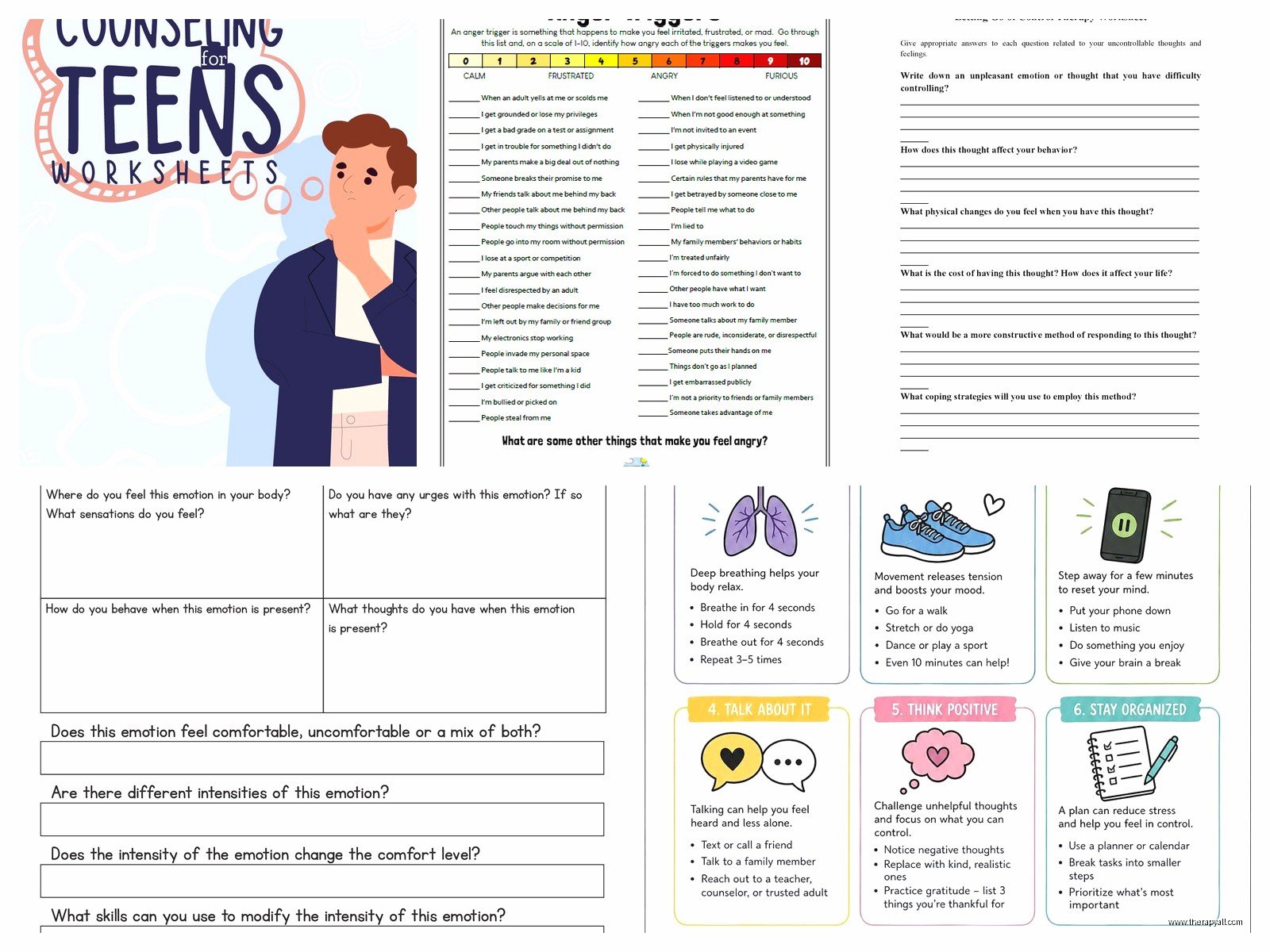
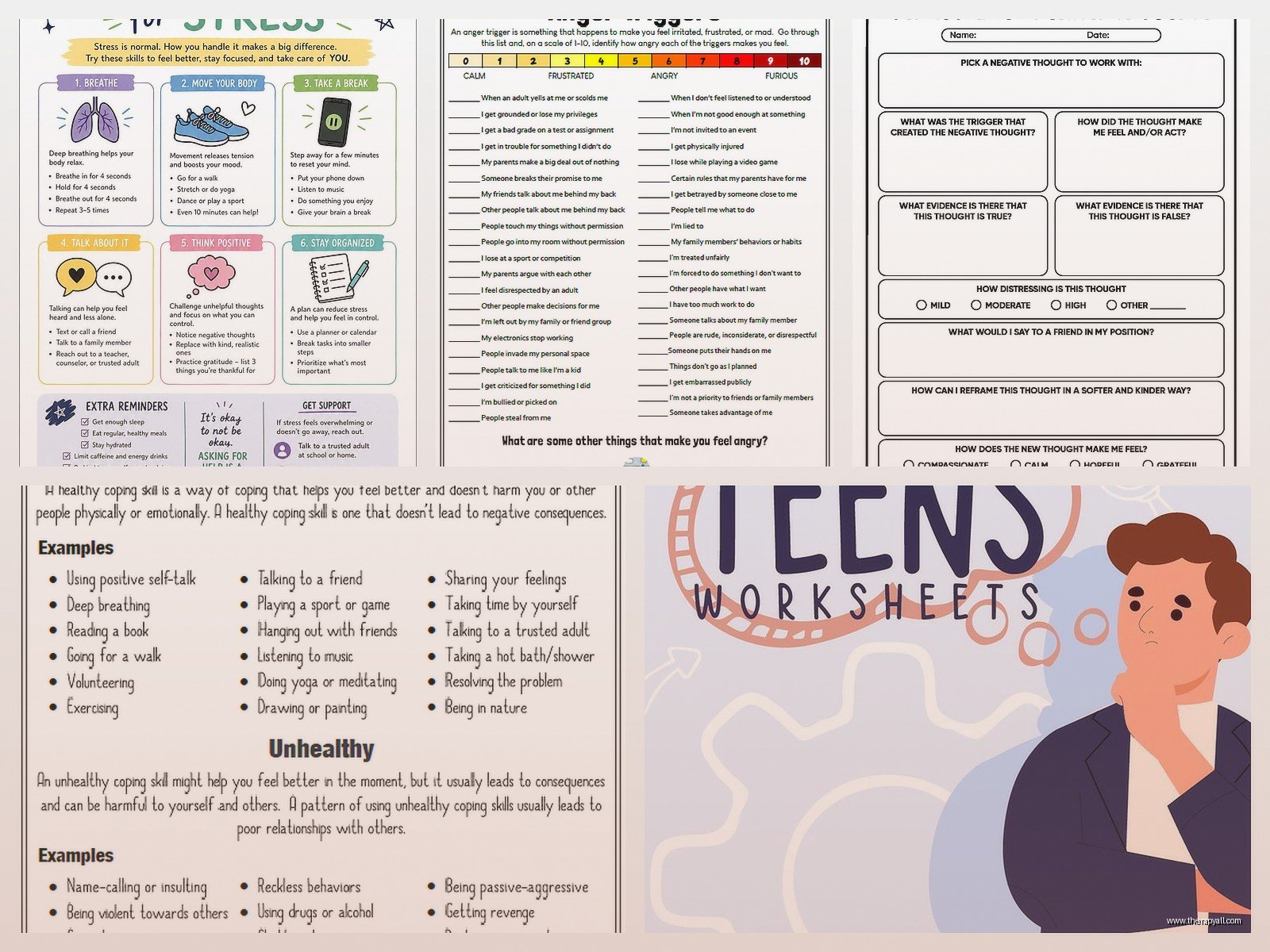
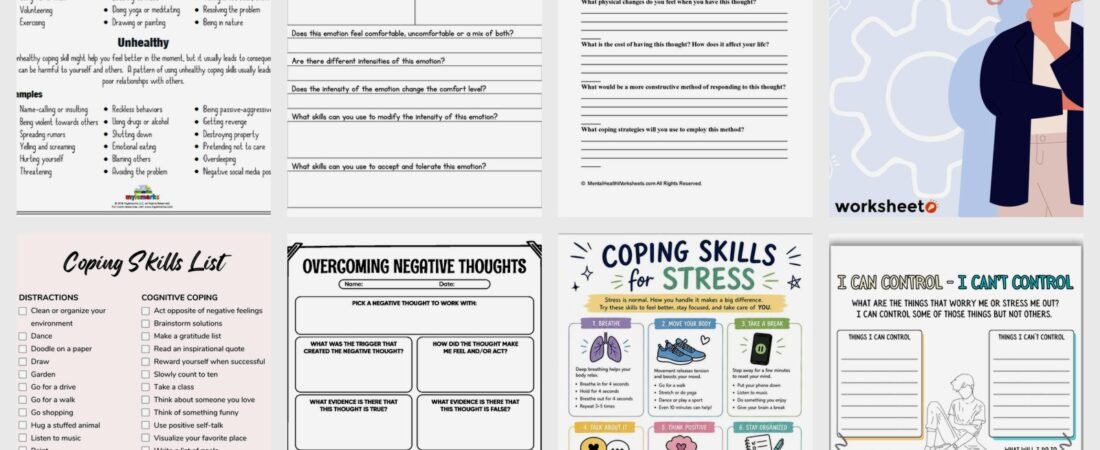
Teenagers don’t come with instruction manuals, and honestly neither do coping skills worksheets. You hand a 15-year-old a piece of paper and ask them to “identify their feelings” and half the time you get back a doodle of a skateboard or the Wi-Fi password written in the margins. But when worksheets actually work—and they do, more often than people think—they create this scaffolding for emotional regulation that teenagers can return to when everything feels like too much.
Coping skills worksheets are structured tools that guide teenagers through identifying stressors, understanding their emotional and physical responses, and practicing specific techniques to manage overwhelming feelings. They’re not magic, and I get genuinely annoyed when therapy Instagram accounts post these pastel-colored PDFs that make it seem like filling out three boxes about gratitude is gonna cure anxiety. It’s reductive and it sets up unrealistic expectations. Real coping skills work requires repetition, context, and honestly a willingness from the teen to engage even when they’d rather be literally anywhere else.
## Why Worksheets Actually Work For This Age Group
I remember working with a 16-year-old who kept having panic attacks during exams, and we tried talk therapy for weeks with minimal progress. Then I pulled out this really basic worksheet—just columns for “What I’m feeling,” “Where I feel it in my body,” and “What might help right now”—and something clicked. She started filling it out before tests, sometimes even during them if she had a private testing room. The structure gave her something to do with her hands and her racing thoughts instead of just sitting there spiraling.
Teenagers are in this developmental stage where abstract thinking is solidifying but emotional regulation is still under construction. Their prefrontal cortex won’t be fully developed until their mid-twenties, which means impulse control and rational decision-making are legitimately harder for them than for adults. Worksheets externalize the regulatory process—they make invisible emotional work visible and concrete.
You’re essentially providing a template for metacognition. When a teenager writes down “I’m angry because my friend ditched our plans,” they’re already one step removed from the raw emotion. They’re observing it, which is the first requirement for managing it.
## Types of Coping Skills Worksheets That Actually Get Used
Emotion Identification and Tracking
These worksheets help teenagers name what they’re feeling beyond “fine” or “whatever.” The best ones include emotion wheels or charts with gradations—not just “sad” but “disappointed,” “grieving,” “lonely,” “discouraged.” Teenagers often lack the vocabulary for emotional nuance, and that vocabulary gap makes everything feel more overwhelming.
Mood tracking worksheets ask teens to log their emotional states throughout the day or week, often with intensity ratings. Some include space for noting triggers, physical symptoms, or behaviors that resulted from the emotion. I’ve seen simple daily mood logs transform a teenager’s ability to recognize patterns—like realizing they always feel worse on Sunday evenings or that certain friends consistently leave them feeling drained.
Grounding and Distress Tolerance Worksheets
These focus on immediate crisis intervention techniques. The 5-4-3-2-1 sensory grounding exercise shows up everywhere for a reason—it works. Worksheets that walk teenagers through identifying five things they can see, four things they can touch, three things they can hear, two things they can smell, and one thing they can taste create an anchor point during panic or dissociation.
DBT-informed distress tolerance worksheets are particularly valuable. They include skills like TIPP (Temperature, Intense exercise, Paced breathing, Paired muscle relaxation) or the STOP skill (Stop, Take a step back, Observe, Proceed mindfully). My cat knocked over my coffee while I was writing this and I literally used the STOP skill to not completely lose it, so yeah, these transfer to adults too.
The ACCEPTS acronym worksheet (Activities, Contributing, Comparisons, Emotions, Pushing away, Thoughts, Sensations) gives teenagers a menu of distraction and self-soothing techniques. Not every strategy works for every person, and worksheets that let teens check off what they’ve tried and rate effectiveness help them build a personalized toolkit.
Cognitive Restructuring Worksheets
These target thought patterns and help teenagers challenge cognitive distortions. The classic three-column worksheet lists the situation, the automatic thought, and then evidence for and against that thought. A teenager writes “Everyone thinks I’m stupid” and then has to actually examine whether that’s factually true or if they’re mind-reading and catastrophizing.
Thought records can feel tedious—I’m not gonna pretend otherwise—but they interrupt rumination cycles. When I was writing worksheet roundups back in summer 2021, I started using them myself and realized how much of my own anxiety was just… repetitive thoughts I’d never actually interrogated, I just accepted them as reality because they felt true.
More advanced versions include columns for alternative thoughts or behavioral experiments. “If I think everyone hates me, what could I do this week to test that assumption?” It moves teenagers from passive suffering to active investigation.
Problem-Solving and Decision-Making Worksheets
Teenagers face genuinely difficult situations—friend drama, academic pressure, family conflict, identity questions—and they often lack frameworks for working through problems systematically. Problem-solving worksheets break down the process: define the problem, brainstorm solutions without judgment, evaluate pros and cons of each option, choose one, make a plan, and later review how it went.
The pros-and-cons list is deceptively simple but incredibly powerful. Seeing options laid out visually helps teenagers move past black-and-white thinking. It’s not “should I quit the soccer team or not,” it’s “here are six factors to consider about quitting and five factors about staying, and now I can make an informed choice.”
Relaxation and Self-Care Planning Worksheets
These include guided imagery scripts, progressive muscle relaxation instructions, breathing exercise diagrams, and self-care menus. The best self-care worksheets avoid the bubble-bath clichés and include a range of activities across physical, emotional, social, and creative domains.
I appreciate worksheets that distinguish between different types of self-care: stuff that feels good in the moment versus stuff that’s actually restorative long-term. Scrolling TikTok might be pleasant but it’s not the same as calling a friend or going for a walk. Teenagers need help understanding that distinction because their brains are wired for immediate reward.
## Where To Find Quality Free Resources
Therapist Aid
This is probably the most comprehensive free resource for mental health worksheets. They have hundreds of CBT, DBT, and general coping skills worksheets specifically designed for teenagers. Everything is available as free PDFs, and they’re actually well-designed—clean layouts, appropriate reading levels, not condescending. You can filter by topic, therapeutic approach, and age group.
Their anxiety worksheets, particularly the “Anxiety Cycle” and “Challenging Negative Thoughts” PDFs, get used constantly in clinical settings. The emotion regulation section includes affect tolerance, emotional awareness, and regulation strategy worksheets.
PsychPoint
Formerly Positive Psychology, this site offers free worksheet downloads alongside their paid resources. Their teenage coping skills section includes resilience-building exercises, stress management worksheets, and emotional intelligence activities. The quality varies more than Therapist Aid, but there are solid options if you dig through.
Kids Mental Health Info (from Ontario’s Hospital for Sick Children)
This Canadian resource provides evidence-based worksheets in accessible formats. Their stress and anxiety management worksheets are particularly strong, with clear instructions that teenagers can follow independently. They also offer materials in multiple languages, which is genuinely helpful for diverse populations.
DBT Self Help
For teenagers who are learning dialectical behavior therapy skills, this site offers free PDF downloads of DBT worksheets across all four modules: mindfulness, distress tolerance, emotion regulation, and interpersonal effectiveness. These are more technical than general coping skills worksheets but incredibly valuable for teens with emotion dysregulation issues.
Individual Therapist and Psychology Websites
Many licensed therapists share free resources on their professional websites or blogs. The quality is usually high because they’re created by practitioners who actually use them. Search for “teen coping skills worksheet PDF” along with specific topics like grief, anger management, or social anxiety to find specialized resources.
## How To Actually Get Teenagers To Use These Things
Here’s the reality: you can have the most beautifully designed worksheet in the world and a teenager will still ghost it if the context isn’t right. Introduction matters enormously. If you present a worksheet as homework or a test, resistance goes up. If you frame it as a tool they can use when they choose, if they want—something that might make their life slightly less annoying—engagement improves.
Collaborative completion works better than independent work for most teens initially. Sit with them the first few times, not hovering but available. Answer questions. Normalize that some prompts will feel stupid or won’t apply to them. Let them skip sections or modify questions.
Digital versus print is a real consideration. Some teenagers respond better to physical worksheets they can write on, fold up, destroy if they want. Others prefer fillable PDFs they can complete on their phones or laptops. Several of the resources I mentioned offer both formats, or you can convert PDFs to fillable forms using free tools like PDF Escape.
Timing matters too. A teenager in acute crisis probably isn’t going to sit down and thoughtfully complete a cognitive restructuring worksheet, or at least they shouldn’t be expected to—that’s when you need the quick grounding techniques. The deeper processing worksheets work better during calmer moments, maybe during a therapy session or a quiet evening at home.
## Customization and Personalization
The best coping skills worksheets become templates that teenagers adapt to their own needs. Encourage them to cross out questions that don’t fit, add their own categories, use different colored pens for different moods, whatever makes the worksheet feel more like theirs and less like a school assignment.
Some teenagers benefit from creating their own worksheets after using several pre-made ones. They understand the structure and can design something that addresses their specific triggers and preferred coping strategies. I’ve seen incredibly creative personalized worksheets—one teen made hers look like a video game interface with health bars and power-up options for different coping skills.
## What Worksheets Can’t Do
They can’t replace therapy when therapy is needed. They can’t fix systemic problems like poverty, abuse, or discrimination. They won’t work if a teenager is dealing with untreated depression, active suicidal ideation, or severe trauma without additional support. Worksheets are tools, not treatments by themselves, and the therapy content world sometimes forgets that distinction when churning out downloadable resources.
You also can’t force insight or emotional growth through worksheets. A teenager who isn’t ready to examine their thought patterns will just write what they think you want to hear or leave sections blank. That’s okay—readiness for change is its own developmental process, and sometimes having the worksheet available for later is enough.
The most effective use of coping skills worksheets happens when they’re part of a broader support system that includes trusted adults, possibly professional mental health care, peer connections, and environmental stability. A worksheet about managing test anxiety won’t help much if a teenager is also dealing with food insecurity or an unsafe home environment. Context always matters more than content.