
Mental Health, Therapy resources
Depression Therapist – Complete Guide & Resources
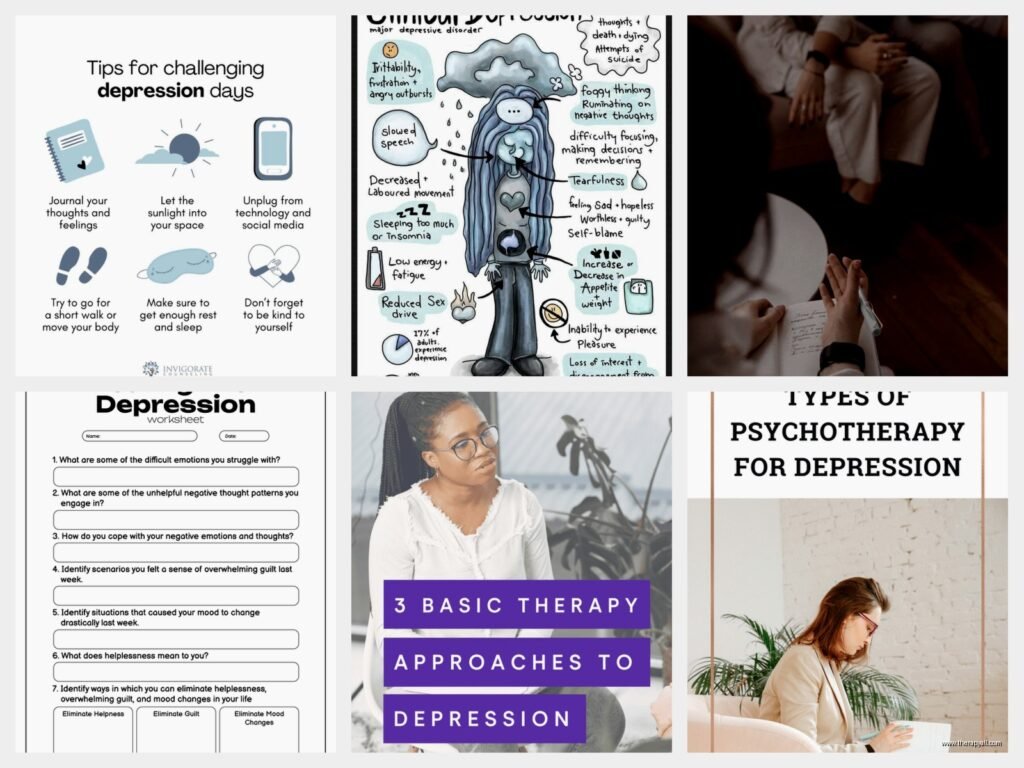
Jul
What a Depression Therapist Actually Does
Depression therapists are mental health professionals who specialize in treating depressive disorders through various therapeutic modalities. They can be psychologists, licensed clinical social workers (LCSWs), licensed professional counselors (LPCs), or psychiatrists depending on their training and credentials. The key difference between them and general therapists is their focused expertise in mood disorders and the specific treatment protocols that work for depression.
I remember sitting in a supervision meeting back in 2019 where a colleague kept insisting that “depression therapy” was just regular therapy with sadder clients, and I kinda lost it. Depression requires specific interventions, structured approaches, and an understanding of how mood disorders actually function in the brain and behavior patterns. It’s not just listening to someone feel bad.
Depression therapists typically use evidence-based treatments like Cognitive Behavioral Therapy (CBT), Interpersonal Therapy (IPT), Behavioral Activation, or psychodynamic approaches depending on their training and the client’s needs. They assess symptom severity, develop treatment plans, monitor progress through standardized measures, and adjust interventions based on what’s working or not working.
Types of Depression Therapists and Their Credentials
You’re gonna encounter different types of professionals who can treat depression, and the alphabet soup of credentials gets confusing fast.
Psychiatrists (MD or DO) are medical doctors who can prescribe medication and provide therapy. They complete medical school plus a psychiatry residency. Most psychiatrists these days focus primarily on medication management rather than weekly talk therapy, though some still do both. If you need medication alongside therapy, you’ll likely work with a psychiatrist for prescriptions and another therapist for regular sessions.
Psychologists (PhD or PsyD) have doctoral degrees in psychology and can diagnose and treat depression through therapy. They cannot prescribe medication in most states. Their training includes extensive research, psychological testing, and clinical practice. I worked alongside a psychologist for three years who would spend like 45 minutes explaining the neurobiological mechanisms of SSRIs to clients who just wanted to know if the pills would help, which was… a choice.
Licensed Clinical Social Workers (LCSW) have master’s degrees in social work plus supervised clinical hours. They provide therapy and often have strong skills in connecting clients with community resources, which honestly matters more than people realize when someone’s depression is tangled up with housing instability or lack of health insurance.
Licensed Professional Counselors (LPC/LPCC) have master’s degrees in counseling and complete supervised hours before licensure. They provide therapy using various modalities and often work in private practice or community mental health settings.
Marriage and Family Therapists (LMFT) can also treat depression, particularly when it’s connected to relationship issues or family dynamics. Their training emphasizes systems thinking.
How to Find a Depression Therapist
The search process is honestly kind of a mess, but here’s what actually works better than just Googling “therapist near me.”
Psychology Today’s directory remains the most commonly used tool despite its clunky interface. You can filter by insurance, specialty, and treatment approach. The profiles vary wildly in quality—some therapists write novels about their philosophy, others just list their credentials and call it done.

Your insurance provider’s directory should be your first stop if you’re using insurance. Call the number on your card and ask specifically for providers who specialize in depression treatment and are accepting new clients. The online directories are often outdated, which drives me absolutely nuts because people waste hours calling disconnected numbers or therapists who left that practice two years ago.
Therapy-specific platforms like BetterHelp, Talkspace, or Cerebral offer online therapy with varying quality. These can work for mild to moderate depression, but they have limitations. The therapists are licensed, but you’re not always gonna get someone with deep expertise in depression specifically. My cat knocked over my coffee while I was reviewing one of these platforms last month and honestly that interruption was more helpful than some of the generic advice I was reading in their sample sessions.
Community mental health centers provide sliding-scale or free services for people without insurance or with limited income. The wait lists can be long, but the therapists often have solid experience with depression because they see it constantly.
University counseling centers if you’re a student offer free or low-cost services, though they typically limit the number of sessions per semester.
Referrals from your primary care doctor can be hit or miss. Some doctors have great relationships with local therapists, others just hand you a printed list from 2015.
What Happens in Depression Therapy Sessions
The first session is an intake assessment where the therapist gathers information about your symptoms, history, current stressors, previous treatment, family history of mental health issues, and what you’re hoping to get from therapy. They’ll likely use screening tools like the PHQ-9 (Patient Health Questionnaire) to measure depression severity.
I always found it slightly awkward when clients would come in expecting to immediately dive into childhood trauma or their deepest fears, and instead I had to spend 50 minutes asking structured questions about sleep patterns and appetite changes, but that initial assessment actually matters for treatment planning.
Subsequent sessions depend on the therapeutic approach, but generally involve:
- Identifying negative thought patterns and challenging cognitive distortions (if using CBT)
- Behavioral activation—scheduling activities that provide pleasure or accomplishment
- Problem-solving current life stressors
- Exploring relationship patterns (if using IPT)
- Processing emotions and experiences
- Developing coping skills for managing symptoms
- Tracking mood and identifying triggers
You’ll probably get homework between sessions. Some therapists call it “homework,” others use softer language like “things to practice” or “experiments to try.” It’s the same thing—structured activities or thought exercises to reinforce what you’re working on in session.
Evidence-Based Approaches for Depression
Cognitive Behavioral Therapy (CBT) is the most researched treatment for depression. It focuses on identifying and changing negative thought patterns and behaviors that maintain depression. The therapist helps you recognize cognitive distortions—like all-or-nothing thinking, catastrophizing, or mind reading—and develop more balanced perspectives. There’s also a behavioral component involving activity scheduling and behavioral experiments.
CBT is typically short-term (12-20 sessions) and structured. You’ll work through specific skills and concepts each session. Some people love this structured approach, others find it too mechanical or feel like the therapist is just correcting their thoughts without understanding the actual pain underneath.

Behavioral Activation is sometimes used as a standalone treatment or as part of CBT. The premise is that depression leads to withdrawal and avoidance, which then maintains the depression. Treatment involves systematically scheduling activities that provide a sense of accomplishment or pleasure, even when you don’t feel like doing them. It sounds stupidly simple—”just do stuff”—but the structured approach to overcoming avoidance actually has solid research support.
Interpersonal Therapy (IPT) focuses on relationship issues and life transitions that contribute to depression. It’s based on the idea that depression occurs in a social context and that improving relationships can alleviate symptoms. IPT addresses four main areas: grief, role transitions, role disputes, and interpersonal deficits. It’s also time-limited, usually 12-16 sessions.
Psychodynamic therapy explores unconscious patterns, past experiences, and relationship dynamics that contribute to current depression. It’s less structured than CBT and focuses more on insight and understanding. Treatment is typically longer-term. The research support isn’t as strong as CBT, but some people respond better to this approach, particularly if their depression is tied to complex relational patterns or unresolved past experiences.
Acceptance and Commitment Therapy (ACT) focuses on psychological flexibility—accepting difficult thoughts and feelings rather than fighting them, while committing to valued actions. Instead of trying to change negative thoughts, you learn to change your relationship with those thoughts. It’s gotten more popular in the last decade or so, though I still meet therapists who think it’s just mindfulness with extra steps, which… okay, there’s some truth to that but also it’s more nuanced than that.
Dialectical Behavior Therapy (DBT) was originally developed for borderline personality disorder but has been adapted for depression, particularly when there’s emotion dysregulation or self-harm. It teaches skills in mindfulness, distress tolerance, emotion regulation, and interpersonal effectiveness. Full DBT includes individual therapy plus a skills group, which is a bigger commitment than standard therapy.
Questions to Ask When Choosing a Depression Therapist
Most therapists offer a brief phone consultation before scheduling a first appointment. Here’s what you should actually ask instead of just saying “do you take my insurance?”
- What’s your specific training in treating depression?
- What therapeutic approach do you typically use for depression?
- How do you measure progress in treatment?
- What’s your experience with my specific type of depression (if you have a diagnosis like persistent depressive disorder, postpartum depression, etc.)?
- Do you coordinate with psychiatrists if medication might be helpful?
- What’s your availability and cancellation policy?
- How long do you typically work with clients who have depression?
- What happens if I’m not improving after several sessions?
You’re looking for specific answers, not vague reassurances. A good therapist will explain their approach clearly and acknowledge that not every approach works for every person.
Cost and Insurance Considerations
Therapy costs vary wildly depending on location, credentials, and whether you’re using insurance. Out-of-pocket rates typically range from $100-$250 per session, higher in major cities or for specialized providers.
If you’re using insurance, check your mental health benefits. You’ll need to know your deductible, copay, and whether there are limits on the number of sessions covered. Some plans require pre-authorization for mental health treatment.
The thing that genuinely annoys me about insurance and therapy is how many plans have terrible mental health networks. You’ll have “coverage” but only three in-network therapists within 30 miles, none accepting new clients, and then you’re stuck either paying out-of-pocket or waiting months for an opening. It’s a systemic problem that makes accessing depression treatment way harder than it should be.
Some therapists offer sliding scale fees based on income. Ask about this directly—it’s not always advertised. Community mental health centers typically use sliding scales.
Employee Assistance Programs (EAP) through your workplace often provide 3-8 free therapy sessions. This can be a good way to start treatment while you figure out longer-term options.
Online vs. In-Person Depression Therapy
Teletherapy became mainstream during COVID and most therapists now offer it. The research shows it’s about as effective as in-person therapy for depression, though some people have strong preferences one way or the other.
Online therapy advantages include convenience, no commute, easier scheduling, and access to therapists outside your immediate area. You can do sessions from home during your lunch break or after kids are in bed.
Disadvantages include technology issues (nothing kills a vulnerable moment like frozen video), harder to build rapport through a screen for some people, privacy concerns if you don’t have a private space at home, and limited options if you’re in crisis since the therapist can’t physically be there.
For depression specifically, online therapy works well for mild to moderate symptoms. If you’re severely depressed or having suicidal thoughts, in-person treatment with coordination between multiple providers is usually better.
What If Therapy Isn’t Working
Not every therapist is the right fit, and not every approach works for every person. If you’ve been in therapy for 8-12 sessions without any improvement in symptoms, something needs to change.
Options include switching therapeutic approaches, trying a different therapist, adding medication if you’re not already taking it, or considering more intensive treatment like an intensive outpatient program (IOP) or partial hospitalization program (PHP).
You should talk to your therapist about lack of progress. A good therapist will take this seriously and help you figure out next steps rather than just continuing the same approach indefinitely. I’ve seen too many people stick with therapy that isn’t helping because they feel guilty about “quitting” or don’t want to hurt their therapist’s feelings, which is understandable but ultimately keeps you stuck.
Additional Resources for Depression Treatment
Beyond individual therapy, these resources can support depression treatment:
Support groups like Depression and Bipolar Support Alliance (DBSA) offer peer support. Some people find group support incredibly helpful, others find it draining. It depends on your personality and what kind of support you need.
Crisis lines including 988 Suicide and Crisis Lifeline provide immediate support if you’re in crisis. These are free and available 24/7.
Books on depression treatment like “Feeling Good” by David Burns (CBT approach) or “The Mindful Way Through Depression” can supplement therapy. Some therapists assign specific readings.
Apps like Moodpath, Sanvello, or What’s Up track mood and provide CBT exercises. These aren’t substitutes for therapy but can be helpful tools alongside treatment.
Exercise programs have research support for mild to moderate depression, comparable to medication in some studies. This doesn’t mean you should skip therapy and just go running, but movement can be part of a comprehensive treatment plan.
Medication prescribed by a psychiatrist or primary care doctor is often combined with therapy for moderate to severe depression. The combination typically works better than either alone.
ADHD & Neurodiversity
Life Planner Bundle – Life Organizer
Self-Care & Personal Growth
Acceptance And Commitment
Anxiety & Stress
Stress Processing Journal & Reflection Worksheets For Daily Self – Care
Self-Care & Personal Growth
Self – Reflection Guided Journal With Guided Prompts 30
Emotional Wellness
Decision Processing – Thought Processing Journal For Daily Self – Care
Therapist Resources
Physiotherapist Journal PDF Planner Tracker Or Log Book
Self-Care & Personal Growth
Customizable Self – Confidence & Self – Esteem Guided Journal
ADHD & Neurodiversity
ADHD Behavior Tracker PDF Planner Tracker Or Log Book