
Mental Health, Therapy resources
Essential Therapy Skills: What Clients and Therapists Need to Know

Jul
Active Listening Is Not Just Nodding and Saying “Mmhmm”
Active listening means you’re tracking what someone says, reflecting it back, and checking if you got it right. Therapists learn this in year one, but clients often don’t realize how much work it actually takes. I remember sitting in a supervision session in 2019 and my supervisor literally replayed a recording of me saying “uh-huh” fourteen times in three minutes without actually responding to what the client said. It was mortifying.
For therapists, active listening involves paraphrasing, summarizing, and asking clarifying questions. You’re not just waiting for your turn to talk or planning your next intervention. You’re genuinely trying to understand the person’s internal experience, and that means sometimes you gotta sit with silence or confusion instead of jumping in with solutions.
Clients benefit from understanding this skill too because it helps you evaluate whether your therapist is actually engaged. If they’re just nodding and checking their watch or worse, if they seem like they’re following a script regardless of what you say, that’s a red flag. You should feel heard, not processed.
One thing that genuinely annoys me is when therapy content presents active listening as this warm, fuzzy skill that just happens naturally if you “care enough.” Nah. It’s a technical skill that requires practice and intentionality. I’ve seen incredibly empathetic people be terrible active listeners because they get so caught up in their emotional response that they miss what’s actually being communicated.
Boundaries Are Not Walls or Punishments
Therapists need boundaries to maintain their own mental health and provide consistent care. That means limits on contact between sessions, clear start and end times, and policies about cancellations or emergencies. These aren’t personal rejections, they’re professional necessities.
Clients sometimes experience therapeutic boundaries as cold or rejecting, especially if you’ve had relationships where boundaries were either nonexistent or weaponized. Your therapist ending the session at the 50-minute mark isn’t them not caring about your crisis, it’s them maintaining the structure that makes therapy sustainable long-term.
I had a client once who would text me every single day with updates, questions, memes, basically treating therapy like we were friends. And I get it, therapy is intimate and confusing, but I had to have a really direct conversation about contact policies because… I also had seventeen other clients that week and if everyone did that, I would never sleep or have a life outside of work.

For therapists, setting boundaries means being clear from session one about what your policies are. Don’t be vague or overly apologetic. State your limits, explain the reasoning if appropriate, and hold them consistently. Inconsistent boundaries create confusion and can actually damage the therapeutic relationship more than firm ones.
Clients, you can ask about boundaries. You can say “what happens if I need support between sessions?” or “how much can I email you?” Those are fair questions and a good therapist will answer them clearly.
Validation Doesn’t Mean Agreement
This is probably one of the most misunderstood concepts in therapy. Validation means acknowledging that someone’s feelings or reactions make sense given their experience and perspective. It doesn’t mean you think their interpretation is objectively correct or that their behavior is healthy.
Therapists use validation to build trust and help clients feel understood before challenging distorted thinking or problematic behaviors. You can validate someone’s anger about a situation while also exploring whether their response to that anger is effective. These aren’t contradictory.
I remember in 2021 I was writing this series on DBT skills and I kept seeing other articles that presented validation as basically just agreeing with everything a client says, and it drove me up the wall because that’s not what Marsha Linehan meant at all. Validation is about recognizing the internal logic of someone’s emotional experience, not rubber-stamping their every thought.
For clients, understanding validation helps you recognize when a therapist is actually tracking with you versus just placating you. Real validation feels specific, it references things you’ve actually said and connects them to broader patterns or experiences. Generic validation like “that sounds really hard” can be appropriate sometimes, but if that’s all you’re getting, your therapist might not be fully engaged.
Therapists, practice the different levels of validation from DBT. Not everything requires level six radical genuineness validation. Sometimes level three, articulating the unverbalized, is exactly what’s needed. Match the level to what the client needs in that moment, not what feels most comfortable for you to offer.
Self-Disclosure Has Rules
Therapist self-disclosure means sharing personal information or experiences with a client. This is a controversial skill and different theoretical orientations have different rules about it. Psychodynamic therapists tend to avoid it, humanistic therapists use it more freely, and most people land somewhere in the middle.
The rule I follow is that self-disclosure should serve the client’s needs, not the therapist’s. If you’re sharing something because you need to process it or because you want the client to see you a certain way, that’s not therapeutic self-disclosure, that’s you using the session for your own needs.
Appropriate self-disclosure might be briefly sharing a similar experience to normalize what a client is going through, or disclosing a reaction you’re having in the room to explore the therapeutic relationship. It should be brief, relevant, and always in service of the client’s treatment goals.
Clients, if your therapist is regularly talking about their own life, problems, or opinions in ways that feel like they’re dominating the conversation or seeking support from you, that’s a boundary violation. You can bring it up or you can find a different therapist, but you shouldn’t have to sit through someone else’s therapy session during your paid hour.
My cat just knocked over my coffee cup while I was writing this and I swear she has a sixth sense for when I’m focused on something else, but anyway, the point is that self-disclosure needs to be intentional and measured, not just whatever pops into your head.
Reflective Practice Means Actually Reflecting
Therapists need to regularly examine their own reactions, biases, and patterns in their work. This happens through supervision, consultation groups, personal therapy, and solo reflection. If you’re not doing this, you’re gonna miss your blind spots and potentially harm clients.
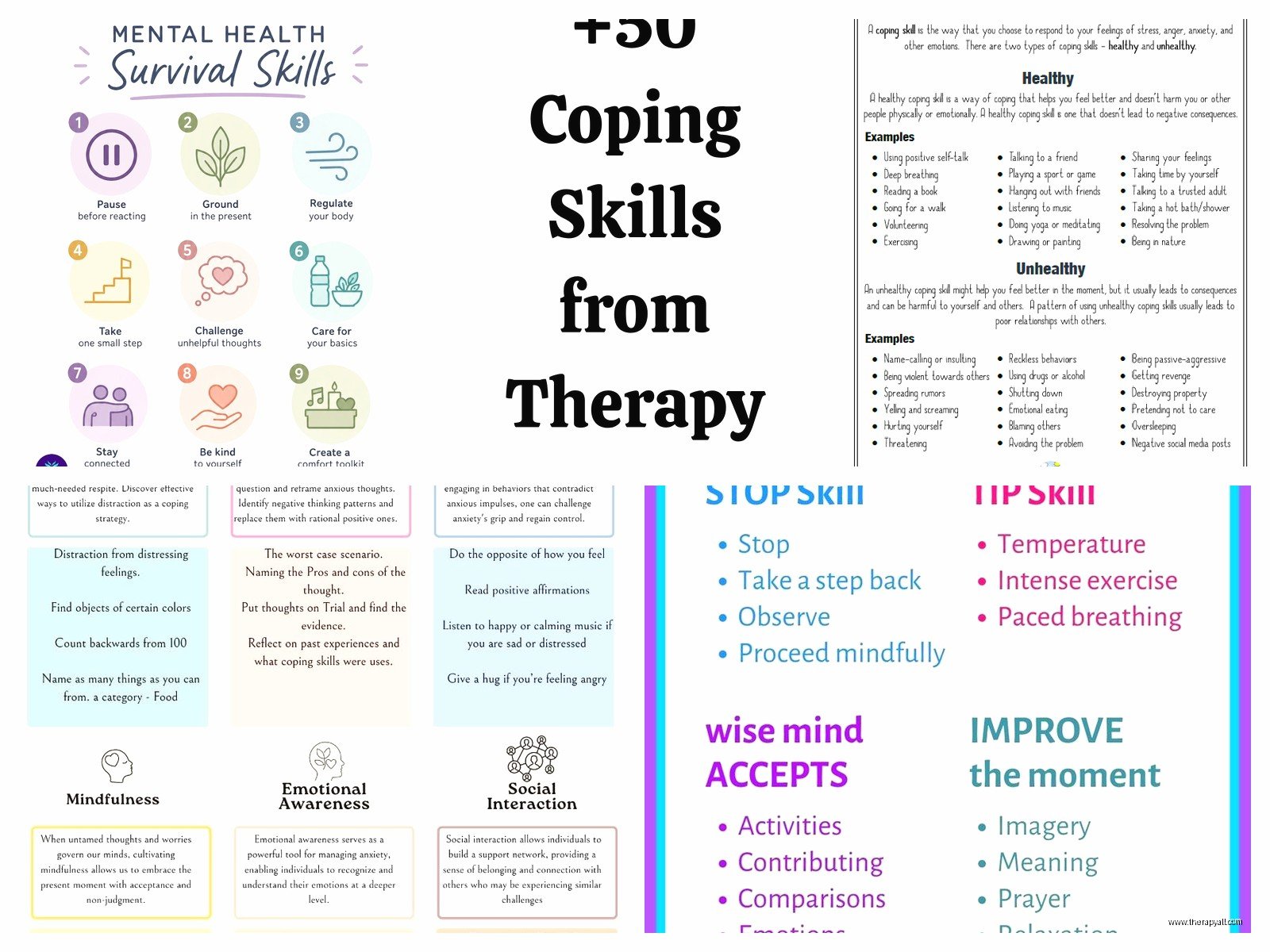
Reflective practice means asking yourself questions like “why did I feel defensive when that client challenged me?” or “am I avoiding certain topics because they make me uncomfortable?” It’s not comfortable work, but it’s essential.
I had a period around 2020 where I realized I was consistently running over time with clients who reminded me of my younger sister, and I had to really sit with why I was unconsciously trying to give them more than I gave other clients. That kind of awareness only comes from honest self-examination, and it’s ongoing, not a one-time thing.
Clients can engage in reflective practice too, though it looks different. After sessions, you might notice what topics you avoided, what you felt defensive about, or what patterns keep showing up. You don’t have to do this after every session, but occasional reflection about your own therapy process can help you get more out of it.
Empathy Versus Sympathy Versus Compassion
These terms get used interchangeably but they’re actually different. Empathy is understanding and feeling with someone, putting yourself in their emotional shoes. Sympathy is feeling for someone, recognizing their pain from the outside. Compassion is empathy plus the desire to help alleviate suffering.
Therapists need all three at different times, but empathy is the foundation. You can’t provide effective therapy if you can’t access what it might feel like to be in your client’s situation. That doesn’t mean you have to have experienced the same things, but you need to be able to imagine and connect with their emotional reality.
Too much empathy without boundaries leads to burnout and vicarious trauma. I’ve seen therapists who absorb every client’s pain and end up completely depleted, and that doesn’t serve anyone. You need to be able to feel with clients and then… let it go when the session ends, which is way harder than it sounds.
Clients sometimes confuse empathy with the therapist having experienced the same thing. You don’t need a therapist who’s been through exactly what you’re going through, you need one who can understand the emotional impact and help you navigate it. Shared experience can be helpful but it’s not required for effective therapy.
Psychoeducation Is Teaching, Not Lecturing
Psychoeducation means teaching clients about mental health conditions, symptoms, treatment approaches, and coping skills. It’s an essential part of therapy, especially in the beginning, but it needs to be collaborative and responsive to what the client actually needs to know.
Good psychoeducation involves checking for understanding, using accessible language, and connecting information to the client’s specific experiences. Bad psychoeducation is just dumping information on someone or talking at them for twenty minutes about the neuroscience of anxiety when they came in crying about a breakup.
I remember early in my writing career I would create these incredibly detailed explanations of therapeutic concepts, and my editor kept saying “this is accurate but who is this actually for?” because I was writing for other therapists, not for actual humans trying to understand their own mental health, and that feedback changed how I approach psychoeducation both in writing and in sessions.
Therapists, ask clients what they want to know. Don’t assume. Some people want detailed explanations of diagnoses and treatment mechanisms, other people just want to know what to do when they’re having a panic attack. Both are valid and your job is to meet them where they are.
Clients, you can ask for psychoeducation if you’re not getting it. “Can you explain what CBT actually is?” or “I don’t understand why we’re doing this exercise” are completely reasonable questions. If your therapist gets defensive or dismissive about explaining their approach, that’s concerning.
Challenging Versus Confronting
Challenging a client means gently questioning their thoughts, beliefs, or behaviors to promote growth and insight. Confronting is more direct and forceful, pointing out contradictions or patterns that the client might be avoiding. Both have their place, but timing and relationship strength matter enormously.
You can’t effectively challenge or confront someone who doesn’t trust you yet. The therapeutic relationship has to be solid enough to withstand the discomfort of being pushed or questioned. If you challenge too early, clients shut down or drop out. If you never challenge, therapy becomes supportive chat sessions that don’t create change.
For therapists, pay attention to how clients respond to gentle challenges. Do they get curious and explore, or do they get defensive and shut down? That tells you something about their readiness and about how you need to adjust your approach. Some clients need very gentle, gradual challenges, others respond well to direct confrontation about patterns they’re sorta aware of but avoiding.
Clients, if you never feel even slightly uncomfortable in therapy, you might not be doing the deeper work. Growth involves some discomfort. But there’s a difference between productive discomfort that comes from examining difficult truths and feeling attacked or judged by your therapist. You should be able to tell the difference based on whether the challenge is about helping you or about the therapist’s frustration.
Collaborative Goal-Setting Means Both People Have Input
Therapy goals should be developed together, not dictated by the therapist or left completely undefined. Clear goals help both people know what they’re working toward and when treatment is successful. Vague goals like “feel better” don’t give you anything to measure or work toward.
Therapists sometimes fall into the trap of setting goals based on what they think the client needs rather than what the client actually wants. This is paternalistic and often backfires because people don’t make progress toward goals they didn’t choose. Your job is to help clients clarify and sometimes refine their goals, not replace them with your own agenda.
Clients, you can say what you want from therapy. You can also change your goals as you go. What you thought you needed in session one might shift by session ten, and that’s normal. Bring it up, renegotiate, make sure you and your therapist are still on the same page about where you’re heading.
I once worked with someone who came in saying they wanted to work on their marriage, but after a few sessions it became clear they actually wanted to figure out if they should leave the marriage, and we had to completely reorient our work together because the initial goal was actually avoiding the real question they needed to answer.
Nonverbal Communication Says More Than Words
Body language, tone of voice, facial expressions, and even silence communicate meaning in therapy. Therapists are trained to notice these cues and sometimes they’re more revealing than what’s actually being said. If someone says “I’m fine” while crying, the nonverbal communication is what’s true.
Clients, you can also read your therapist’s nonverbal cues. Are they leaning in and engaged or are they distracted and distant? Do they seem genuine or are they performing therapy? Trust your gut about what you’re picking up nonverbally, it’s usually accurate.
Therapists need to be aware of their own nonverbal communication. If you’re checking the clock constantly, sighing, or looking uncomfortable when certain topics come up, clients notice and it affects how safe they feel. You don’t have to have a perfect poker face, but you do need to manage your reactions so they don’t become the client’s problem.
Cultural differences in nonverbal communication matter too. Eye contact, personal space, and emotional expression vary across cultures, and assuming everyone follows the same nonverbal rules is naive and potentially harmful. Ask, don’t assume.
ADHD & Neurodiversity
Life Planner Bundle – Life Organizer
Self-Care & Personal Growth
Acceptance And Commitment
Anxiety & Stress
Stress Processing Journal & Reflection Worksheets For Daily Self – Care
Self-Care & Personal Growth
Self – Reflection Guided Journal With Guided Prompts 30
Emotional Wellness
Decision Processing – Thought Processing Journal For Daily Self – Care
Therapist Resources
Physiotherapist Journal PDF Planner Tracker Or Log Book
Self-Care & Personal Growth
Customizable Self – Confidence & Self – Esteem Guided Journal
ADHD & Neurodiversity
ADHD Behavior Tracker PDF Planner Tracker Or Log Book