
Mental Health, Therapy resources
Her Counseling – Helpful Guide and Resources

Jun
# Understanding Her Counseling: What It Actually Offers
Her Counseling is an online therapy platform specifically designed for women and LGBTQ+ individuals, which immediately sets it apart from the general-purpose therapy apps flooding the market. The platform connects users with licensed therapists through video sessions, phone calls, and messaging, operating as a subdivision of the larger BetterHelp network but with a more targeted focus.
I remember back in 2021 when I was reviewing about fifteen different therapy platforms for a series I was writing, and honestly the sheer number of “therapy for everyone!” services made my head spin. Her Counseling caught my attention because it wasn’t trying to be everything to everyone, which is kinda rare in this space.
## How the Platform Actually Works
You start with an intake questionnaire that asks about your therapeutic needs, preferences for therapist characteristics, and what issues you’re dealing with. The questionnaire takes maybe 15-20 minutes if you’re being thorough. Based on your answers, the platform matches you with a therapist from their network who specializes in areas relevant to your needs.
The subscription model runs between $240-$360 per month depending on your location and therapist availability. That gets you one live session per week (30-45 minutes) plus unlimited messaging with your therapist between sessions. You can switch therapists anytime without extra fees, which honestly should be standard across all platforms but isn’t.
Sessions happen through their proprietary video platform or over the phone if that’s your preference. The messaging feature works through the platform’s secure system, and therapists typically respond within a day or two, though this varies by individual provider.
## Who Gets the Most Out of Her Counseling
Women dealing with relationship issues, trauma, anxiety, depression, and life transitions make up the core user base. The platform also serves LGBTQ+ individuals who want therapists experienced in gender identity, sexual orientation, and related concerns.
If you’re looking for very specialized treatment like eating disorder recovery programs or intensive trauma protocols, Her Counseling might not be the best fit. The platform works best for people needing consistent support for moderate mental health concerns rather than crisis intervention or highly specialized therapeutic approaches.
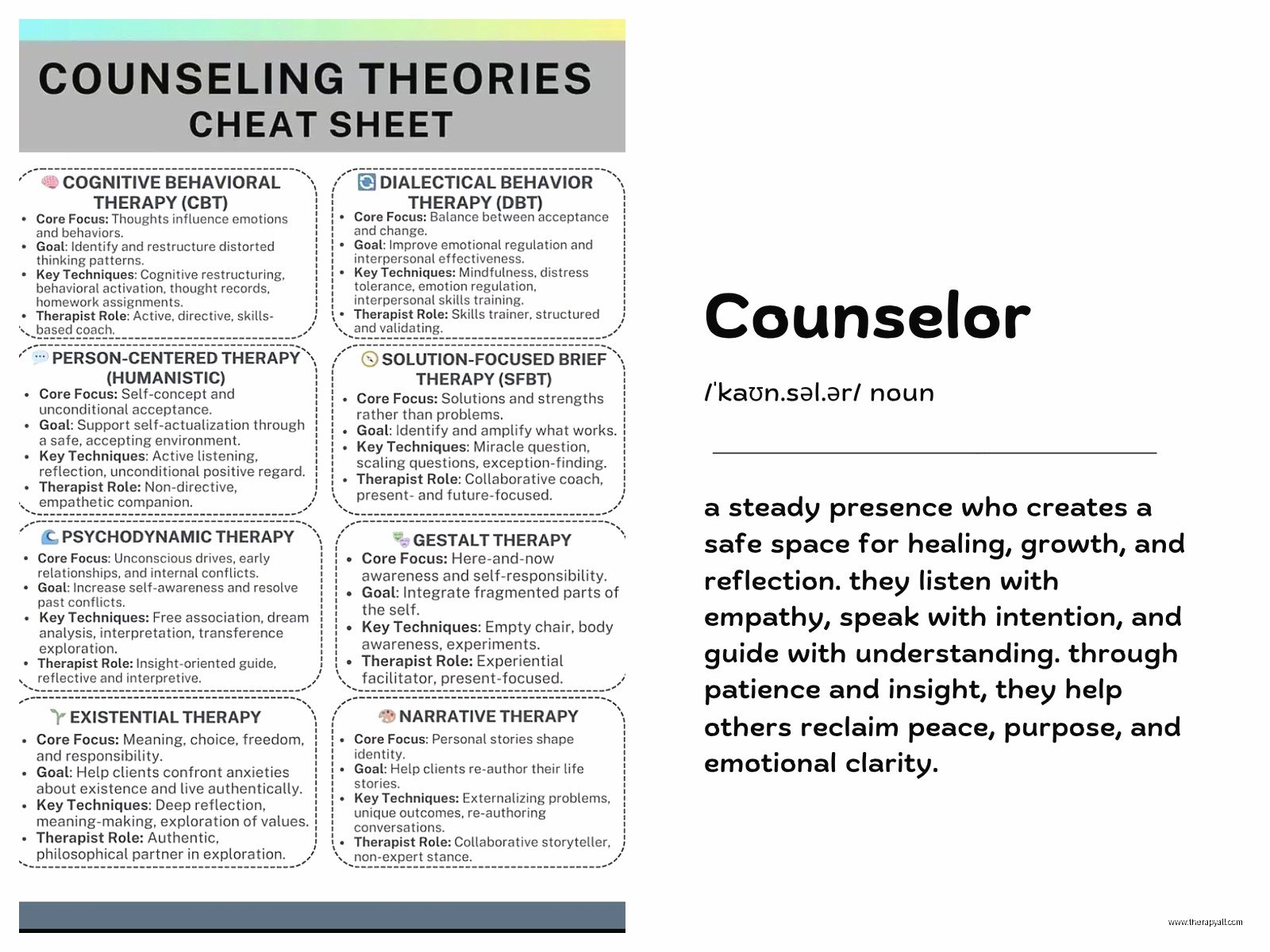
You should know that therapists on the platform come from various therapeutic orientations—CBT, DBT, psychodynamic, humanistic, etc. The matching system tries to pair you based on approach preference, but I’ve heard from users that sometimes the match isn’t perfect on the first try.
## The Therapist Quality Question
This is where things get complicated and honestly kinda frustrating. Her Counseling requires therapists to be licensed in their state and maintain active credentials. That’s the baseline. But the quality and experience level varies significantly because the platform accepts therapists with varying years of practice.
Some therapists on the platform have decades of experience. Others might be relatively new to independent practice. The platform doesn’t clearly display therapist experience levels upfront, which annoyed me when I was doing my research because you deserve to know if you’re working with someone who graduated last year or someone who’s been practicing since 2005.
I remember a colleague telling me about her experience trying three different therapists on a similar platform before finding one who actually understood complex PTSD, and it made me realize that the matching algorithms, while helpful, aren’t magic. They can’t replace the human element of therapeutic fit.
## What Makes It Different from Regular BetterHelp
Her Counseling uses the same technological infrastructure as BetterHelp but curates its therapist network specifically for working with women and LGBTQ+ clients. The therapists have indicated interest and training in issues that disproportionately affect these populations—reproductive health concerns, gender-based violence, discrimination, identity development, etc.
The platform interface is identical to BetterHelp’s, which means if you’ve used one, you know how to use the other. Some people appreciate the specialized focus; others think it’s just marketing. I lean toward thinking it matters because therapist comfort and competence with specific issues does affect treatment quality, but I also get the skepticism.
## The Messaging Feature Reality Check
Unlimited messaging sounds great in theory. In practice, it works differently than you might expect. Therapists aren’t sitting there waiting to respond immediately—they check messages on their own schedule, usually once or twice daily. Some respond more frequently, others less so.
This feature works well for: sending your therapist a quick update about how you used a coping skill they taught you, flagging something you want to discuss in your next session, or maintaining connection between weekly appointments. It doesn’t work well for: crisis situations (they explicitly state this isn’t for emergencies), expecting real-time conversation, or replacing actual therapy sessions.
The common misconception that drives me absolutely bonkers is people thinking messaging-based therapy is equivalent to live session therapy. It’s not. The therapeutic relationship develops differently, the depth of processing is different, and frankly, it’s just not the same thing. Messaging is a supplement, not a replacement.
## Insurance and Payment Realities
Her Counseling doesn’t directly accept insurance, which immediately prices some people out. They provide documentation you can submit to your insurance for potential reimbursement, but there’s no guarantee your plan will cover it, and if they do, it’s usually partial.
The monthly subscription model means you’re paying whether you use all your sessions or not. Miss a week because you’re sick or traveling? You’re still paying. This structure works for some people who want the accountability of a set appointment and consistent access. For others, it feels like throwing money away during weeks they can’t make their session.
Some insurance plans have started covering telehealth therapy more comprehensively since 2020, so it’s worth checking if yours offers an Employee Assistance Program or telehealth benefits that might offset costs. You might also check if you have an HSA or FSA that could cover the subscription.
## Privacy and Security Considerations
The platform uses encryption for video sessions and messaging. They’re HIPAA-compliant, which is the legal standard for healthcare privacy in the US. Your therapist can’t share your information without your consent except in specific circumstances—if you’re a danger to yourself or others, or if there’s suspected child or elder abuse.
One thing to remember: you’re having sessions from wherever you are, which means you need to think about your own privacy setup. If you live with roommates or family, you need a private space for sessions. I’ve definitely heard stories of people trying to do therapy sessions from their car or locked bathroom, which… works in a pinch but isn’t ideal for deep therapeutic work.
The platform stores your messages and session notes on their servers. You can request your records, but the format and completeness varies. Some therapists keep detailed notes, others keep minimal documentation.
## What the Research Actually Says
Online therapy effectiveness research shows that for mild to moderate depression and anxiety, video-based therapy produces outcomes comparable to in-person therapy. The research is less robust for other conditions and for messaging-only therapy.
Her Counseling specifically hasn’t been studied separately from the broader BetterHelp platform. The research that exists on BetterHelp shows mixed results—some studies funded by the company show positive outcomes, independent research is more limited. This isn’t unique to Her Counseling; most online therapy platforms lack extensive independent research.
You should know that therapy outcomes depend more on the therapist-client relationship and the specific therapeutic approach than on the delivery method. A great therapist doing video sessions will likely get better results than a mediocre therapist in person.
## Common Technical Issues Users Report
Video quality problems come up regularly—frozen screens, audio lag, dropped connections. The platform’s tech support can help troubleshoot, but sometimes the issue is your internet connection or device rather than their system. Having a backup plan (switching to phone) helps.
My cat actually knocked my laptop off my desk once during a work call and cracked the screen, which reminded me how dependent we are on technology working correctly for these services. Not directly related but it made me think about how many things can go wrong with video therapy that never happen in a traditional office setting.
The mobile app works fine for messaging but video sessions work better on a larger screen with a stable connection. Some users report the app draining their battery quickly during video sessions.
## Switching Therapists and What That Process Looks Like
You can request a therapist switch anytime through the platform interface. You don’t need to explain why or have a final session with your current therapist, though some people prefer to. The platform matches you with a new therapist within a few days usually.
Switching is free and doesn’t affect your subscription, which removes a barrier that exists in traditional therapy where switching means finding someone new, getting on their waitlist, doing intake all over again. But switching frequently prevents you from building the deeper therapeutic relationship that often leads to better outcomes, so there’s a balance.
Some legitimate reasons to switch: your therapist doesn’t specialize in what you actually need help with, you don’t feel heard or understood, there’s a personality clash, or your therapist isn’t responding to messages in a timeframe that works for you.
## The Worksheet and Resource Library
Her Counseling provides access to a library of worksheets, activities, and educational materials. These cover topics like anxiety management, relationship skills, self-esteem, and coping strategies. Your therapist can assign specific resources or you can browse on your own.
The quality of these resources is… okay. Some are genuinely useful, others feel like they were created by someone who took Intro to Psychology and discovered Canva. I spent basically all of summer 2019 reviewing mental health worksheets for a project and developed strong opinions about what makes a good one versus busy work that looks therapeutic but isn’t.
Good worksheets guide you through specific thought processes or help you track patterns. Bad worksheets ask vague questions like “What are you grateful for?” without any therapeutic framework. Her Counseling’s library has both types.
## When Her Counseling Isn’t the Right Fit
If you’re in crisis or having active suicidal thoughts, this platform explicitly isn’t appropriate. You need a higher level of care—crisis hotline, emergency services, or intensive outpatient programs.
People with severe mental illness, active substance use disorders, or those who need medication management should look elsewhere or use Her Counseling as a supplement to in-person psychiatric care, not a replacement. The platform’s therapists can’t prescribe medication or provide the intensive support needed for acute psychiatric symptoms.
If you need couples counseling or family therapy, Her Counseling isn’t set up for that. It’s individual therapy only. Also, if you strongly prefer in-person therapy because you find video sessions awkward or less effective, then paying for something you don’t actually like using doesn’t make sense.
## Setting Realistic Expectations
Therapy through any platform isn’t a quick fix. You’re not gonna feel completely better after three sessions. Real therapeutic change takes time—months, sometimes longer. The weekly session model means you’re looking at steady, gradual progress rather than intensive breakthrough moments.
Your therapist isn’t available 24/7. They have other clients, they have lives, they have boundaries. This is healthy and appropriate even though it might feel frustrating when you’re struggling and want immediate support.
Some weeks you’ll feel like therapy is really working. Other weeks you’ll wonder why you’re bothering. That’s normal therapy stuff, not specific to the platform. The relationship with your therapist matters more than the technology delivering it, which sounds obvious but people sometimes forget that when they’re focused on features and pricing.

ADHD & Neurodiversity
Life Planner Bundle – Life Organizer
Self-Care & Personal Growth
Acceptance And Commitment
Anxiety & Stress
Stress Processing Journal & Reflection Worksheets For Daily Self – Care
Self-Care & Personal Growth
Self – Reflection Guided Journal With Guided Prompts 30
Emotional Wellness
Decision Processing – Thought Processing Journal For Daily Self – Care
Therapist Resources
Physiotherapist Journal PDF Planner Tracker Or Log Book
Self-Care & Personal Growth
Customizable Self – Confidence & Self – Esteem Guided Journal
ADHD & Neurodiversity
ADHD Behavior Tracker PDF Planner Tracker Or Log Book