# Getting Started with Online Therapy
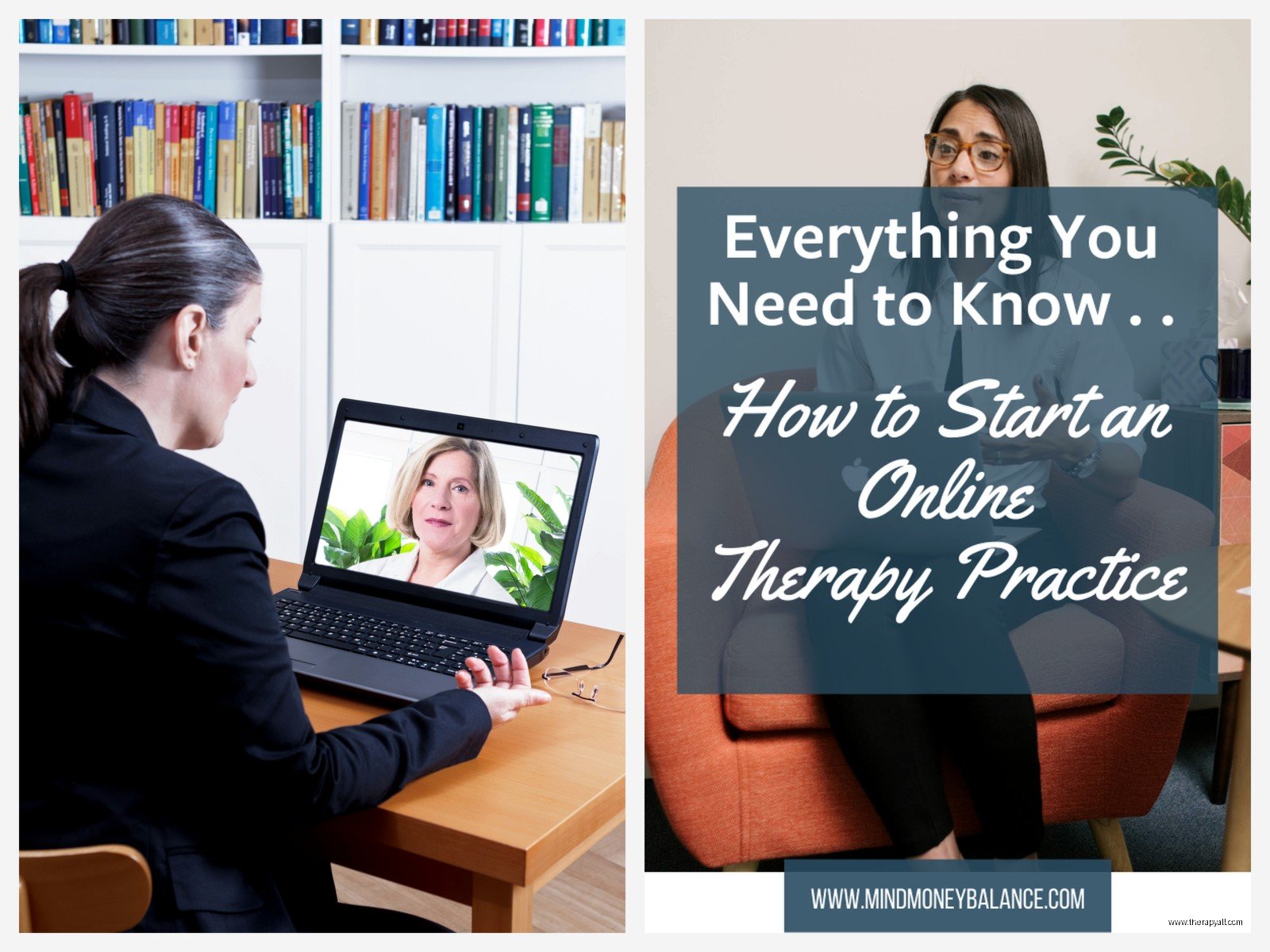
Online therapy works through video calls, phone sessions, or text-based messaging platforms where you connect with a licensed therapist without physically going to an office. You download an app or log into a website, book a session, and meet your therapist at the scheduled time.
The basic technology requirement is internet access and a device—laptop, tablet, or phone. Most platforms use encrypted video conferencing built into their systems, so you’re not juggling Zoom links or wondering if your session is secure. I remember in 2021 when I was interviewing therapists for a series on telehealth adoption, and one told me her client’s cat kept stepping on the keyboard during sessions and she had to wait while they relocated the cat each time—honestly made me feel better about the whole setup being less formal than traditional therapy.
## Types of Online Therapy Platforms
You’ve got asynchronous platforms where you send messages to your therapist and they respond within a set timeframe, usually 24-48 hours. BetterHelp and Talkspace are the big names here. You type out what’s happening, your therapist reads it, and sends back a response. Some people love this because you can write at 2am when anxiety hits and not have to wait until next Tuesday’s appointment.
Live video therapy is closer to traditional sessions—you schedule a 45-50 minute appointment and do a face-to-face call. Platforms like Teladoc, Amwell, and MDLive offer this. Many insurance companies actually cover these now, which wasn’t the case even three years ago.
Phone-only therapy is still an option on most platforms. Some people just don’t want the video component, or their internet can’t handle it reliably, or they’re more comfortable talking without being seen.
Then there’s the hybrid approach where platforms offer all three—you might do weekly video sessions but also message your therapist between appointments if something comes up.
## How to Choose a Platform
Cost is gonna be your first filter. Asynchronous platforms typically run $260-$360 per month for unlimited messaging. Live video sessions through these platforms cost extra, usually $80-100 per individual session on top of the monthly fee.
Insurance-compatible platforms like Teladoc or MDLive might cost you just your regular copay—$20-50 depending on your plan. You need to check if your insurance specifically covers teletherapy and which platforms they work with.
Therapist credentials matter more than the platform’s marketing. Every platform should only have licensed therapists (LMFT, LCSW, LPC, psychologists), but you want to verify. I’ve seen platforms that were kinda vague about their vetting process, and that really annoyed me because people assume if it’s a big advertised service, everyone’s automatically qualified—not always true. Check if you can see your potential therapist’s license number and look it up in your state’s database.
Specialization availability varies wildly. Some platforms have thousands of therapists, others have maybe 50. If you need someone who specializes in OCD or trauma or eating disorders, you want a platform with enough providers that you can actually find someone with that background.
Wait times differ too. Some platforms match you within 24 hours, others might take a week. If you’re in crisis, this matters.
## The Matching Process
Most platforms use a questionnaire—you answer questions about what you’re dealing with, what kind of therapist you prefer, scheduling needs, any specific requirements like LGBTQ+ affirming or faith-based therapy. The algorithm or a human coordinator matches you with someone.
BetterHelp’s questionnaire takes about 10 minutes. You can request a different therapist if the first match doesn’t work, usually without extra fees or hassle, though you might need to fill out a brief form explaining what you’re looking for instead.
Some platforms let you browse therapist profiles and choose directly—I actually prefer this because the matching algorithms sometimes… look, I’ve talked to people who got matched with someone who specialized in marriage counseling when they specifically said they were single and dealing with work stress. The AI matching isn’t always that intelligent.
## What Actually Happens in Sessions
Video sessions function like in-person therapy. You log in at your appointment time, your therapist appears on screen, you talk for the scheduled duration. They might share their screen to show you worksheets or diagrams. You can share yours if you want to show them something you wrote.
The therapist takes notes the same way they would in person. They’re developing a treatment plan, tracking your progress, documenting everything for clinical and legal purposes.
With messaging therapy, you write whenever you need to throughout the week. Your therapist responds typically once per day on weekdays. You’re not getting real-time conversation—it’s more like email. This format works better for some issues than others, honestly. Processing ongoing anxiety or depression? Pretty effective. Active crisis? Nah, you need immediate response capability.
## Privacy and Security Concerns
HIPAA compliance is mandatory for any legitimate platform operating in the US. This means encrypted communications, secure data storage, limited access to your information. The platform can’t share your therapy details with third parties without your explicit consent, except in specific situations like if you’re a danger to yourself or others.
Your insurance company will know you’re using therapy services if you’re using insurance to pay, but they don’t get session notes or details about what you discuss. They get diagnosis codes and verification that sessions occurred.
Some platforms have been sketchy about selling anonymized data to advertisers—BetterHelp got in trouble for this a few years back. Read the privacy policy, particularly the section about data sharing and third parties. It’s boring but necessary.
Physical privacy during sessions is your responsibility. You need a private space where people won’t walk in or overhear. Sitting in your car in a parking lot works for some people. Bathroom with a locked door if that’s your only option. I know someone who does sessions from a closet because it’s the only place in their apartment their roommates won’t interrupt.
## Cost Breakdown and Insurance
Out-of-pocket costs for messaging platforms: $260-$360/month generally gets you unlimited messaging and one live session per month. Additional live sessions cost extra.
Insurance-based platforms: You pay your normal mental health copay, which averages $20-$75 per session depending on your plan. Some insurance covers unlimited sessions, others cap it at 20-30 per year.
Sliding scale options exist on some platforms. You have to provide income verification usually, but you might get 20-50% off standard rates.
Employee Assistance Programs (EAP) through your job might offer free sessions—typically 3-8 sessions per issue per year. These often use platforms like Lyra or Spring Health.
## Technical Requirements
Minimum internet speed of 5 Mbps for video sessions. If your connection drops below that, you’ll get frozen screens and audio cutting out, which makes therapy frustrating and kinda pointless.
Device compatibility—most platforms work on iPhone, Android, Windows, Mac. Some have better mobile apps than others. Reading therapy messages on a tiny phone screen while trying to type thoughtful responses is not ideal in my experience.
Headphones help with privacy and audio quality. The therapist can hear you better, you can hear them better, and people around you can’t listen in.
Backup plans for technical failures: exchange phone numbers with your therapist so if the platform crashes, you can switch to a phone call. This happens more than platforms admit.
## What Online Therapy Works Best For
Depression and anxiety are the most commonly treated issues online, and research shows online therapy is basically as effective as in-person for these conditions. The format works because you can process things in writing between sessions, you’re in a comfortable environment, and consistency is easier when you don’t have to commute.
PTSD and trauma therapy can work online but depends heavily on the specific approach. EMDR (Eye Movement Desensitization and Reprocessing) has been adapted for telehealth with mixed results—some therapists are great at it remotely, others really struggle without the in-person element.
Relationship counseling online is interesting because couples can sit together on one screen or join from separate locations if they’re long-distance or separated. Family therapy works similarly.
Severe mental illness like schizophrenia or bipolar disorder during acute episodes usually needs in-person care or intensive outpatient programs. Online therapy can work for maintenance and stability periods though.
## What Doesn’t Work Well Online
Crisis intervention isn’t really suitable for asynchronous messaging therapy. If you’re actively suicidal or in immediate danger, the 24-hour response time is useless. Most platforms have crisis protocols that direct you to call 988 or go to an ER.
Medication management technically can happen via telehealth with a psychiatrist, but getting prescriptions for controlled substances (stimulants for ADHD, benzodiazepines for anxiety) faces more restrictions depending on your state. Some states require an initial in-person visit.
Court-ordered therapy or therapy for legal documentation often has specific requirements that online platforms can’t meet—or wait, some can now, but you have to verify with the court or agency that telehealth sessions count toward your requirement.
## Red Flags to Watch For
Therapists who don’t ask about safety or suicidal thoughts—this is a standard part of assessment and if they skip it, that’s concerning.
Platforms that don’t verify licenses or let anyone call themselves a “counselor” without proper credentials. Life coaches aren’t therapists. Peer support specialists aren’t therapists. Nothing wrong with those roles, but they’re different services.
Pressure to purchase multiple months upfront or difficulty canceling subscriptions. Legitimate platforms let you cancel relatively easily, though you might need to do it through customer service rather than just clicking a button.
Therapists who try to be your friend on social media or contact you outside the platform inappropriately. Boundaries still exist in online therapy.
No informed consent process or treatment agreement. You should receive documentation about confidentiality limits, costs, cancellation policies, emergency procedures, and your rights as a client.
## Making It Actually Work
Set up your space intentionally. Same spot each session if possible, minimal distractions, decent lighting so your therapist can see your face and you can see theirs.
Treat it like a real appointment. I know it’s tempting to do therapy in bed or while doing laundry, but you get better results if you’re focused and present. My cat definitely disagrees with this and thinks therapy time is perfect for demanding attention, but that’s cats for you.
Take notes during or after sessions. The therapist is taking notes, you should too. What homework did you agree to? What insights came up? Writing it down makes you more likely to remember and act on it.
Actually do the between-session work. Online therapy often includes worksheets, exercises, or reflection prompts. These aren’t optional busy work—they’re part of the treatment. This genuinely annoyed me when I was writing content for a therapy app and realized most users never opened the worksheets section. Like, that’s where half the therapeutic value lives.
## Common Problems and Solutions
Technical issues happen constantly. Have a backup plan. Phone number exchange, alternative platform, something. Don’t let a glitchy app derail your progress.
Feeling disconnected from your therapist through a screen is real. Some people adjust after a few sessions, others never quite get comfortable with it. Video is better than phone-only for building connection because you can see facial expressions and body language, but it’s still not the same as sharing physical space.
Distractions at home—notifications, other people, your own thoughts about the dishes in the sink behind your therapist on camera. Turn off notifications on your device. Tell people you live with not to interrupt. Face a blank wall if seeing your messy room on camera stresses you out.
Timezone confusion if you’re traveling or if your therapist is in a different state. Confirm appointment times in both timezones and set calendar reminders.
Switching therapists is more common online because the barrier is lower—you’re not dealing with the awkwardness of running into your old therapist at the grocery store. If it’s not working after 3-4 sessions, request a switch. You’re not obligated to stay with someone who isn’t helping.
## State Licensing and Regulations
Therapists can only provide services to clients located in states where they hold a license. If you’re in California and your therapist is licensed in New York but not California, they legally cannot treat you even though you’re both on the same online platform.
Some states participate in compacts (PSYPACT for psychologists, ASWB for social workers) that allow licensed providers to practice across state lines more easily, but not all states participate and not all license types are covered.
This matters if you travel frequently or move. You might need to switch therapists if you relocate to a state where your current therapist isn’t licensed.
## Effectiveness Compared to In-Person
Research from the past five years shows online therapy produces equivalent outcomes to in-person therapy for most common mental health conditions. The therapeutic alliance—your relationship with your therapist—matters more than the delivery format.
Some people actually do better online because the reduced formality helps them open up, or because eliminating commute time means they’re less stressed going into sessions, or because being in their own environment feels safer.
Other people need the physical separation between therapy space and home space. Doing therapy in the same room where you sleep or work can feel weird or make it harder to be vulnerable.
Dropout rates are slightly higher for online therapy, probably because it’s easier to just… not log in than to cancel an in-person appointment. The reduced commitment barrier cuts both ways.
## Getting Started Tomorrow
Pick two or three platforms based on your budget and insurance situation. Take their intake questionnaires. See who they match you with or browse their therapist directories.
Check the therapist’s license on your state’s professional licensing board website. Takes five minutes and confirms they’re legitimate and in good standing.
Schedule a first session. Most platforms offer this within a few days if not sooner. First session is usually assessment—background, current issues, goals, determining if you’re a good fit for each other.
Be honest in your first session about what you need and what hasn’t worked before. If you tried therapy before and hated it, say that. If you’re skeptical about online therapy working, say that too. Your therapist needs accurate information to actually help you.