
Mental Health, Therapy resources
The Best Therapist – Complete Guide & Resources

Jun
# Finding the Best Therapist: What Actually Matters
The phrase “best therapist” is kinda meaningless without context. Best for what? Best for whom? I spent three months in 2021 writing resource guides for a mental health platform and kept having to explain that the therapist with the most credentials isn’t automatically the right fit for someone dealing with panic attacks at 2am.
## 1. Credentials Matter, But Not How You Think
You want someone licensed. That’s non-negotiable. In the US, look for:
- Licensed Clinical Social Worker (LCSW)
- Licensed Professional Counselor (LPC)
- Licensed Marriage and Family Therapist (LMFT)
- Psychologist (PhD or PsyD)
- Psychiatrist (MD or DO – can prescribe medication)
The letters after someone’s name tell you they completed specific training and passed exams. They don’t tell you if that person will actually help YOU. I remember sitting in a supervision meeting where a newly licensed therapist had better rapport skills than colleagues with 15 years experience. Credentials get you in the door. Everything else determines if you stay.
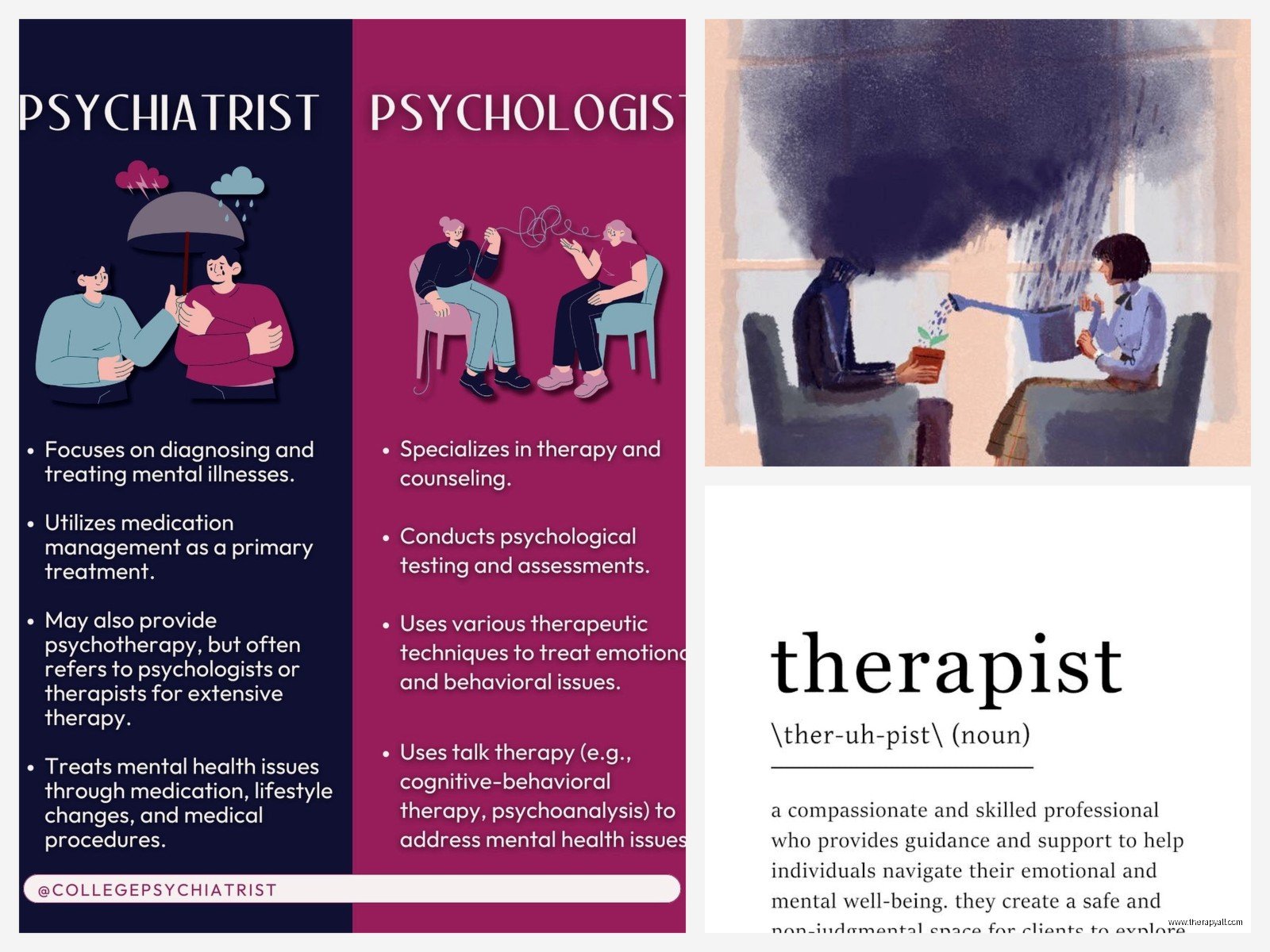
What genuinely annoyed me for years was people asking “should I see a psychologist or a therapist?” as if these are distinct categories. Psychologists ARE therapists. So are LCSWs. So are LPCs. The training differs, but all provide therapy. Psychiatrists also provide therapy sometimes, though many focus primarily on medication management now.
## 2. Specialization Beats Generalization
Therapists can’t be experts in everything, though some websites make it seem like they treat every condition known to humanity. When I see a profile listing 23 specialties, I’m skeptical.
You want someone who regularly works with your specific concern:
- Trauma and PTSD
- Eating disorders
- OCD
- Substance use
- Relationship issues
- LGBTQ+ concerns
- Chronic illness adjustment
- Grief and loss
Someone who primarily treats couples won’t have the same skillset as someone who spent years working in an OCD intensive program. This seems obvious, but I’ve watched people select therapists based on profile photos or office location without checking if the person actually knows how to treat their specific issue.
## 3. Therapeutic Approach: The Framework They Use
Therapists operate from different theoretical orientations. These aren’t just preferences – they’re fundamentally different ways of understanding and addressing problems.
Cognitive Behavioral Therapy (CBT) focuses on the connection between thoughts, feelings, and behaviors. It’s structured, often short-term, and heavily researched. You’ll get homework. You’ll track patterns. It works particularly well for anxiety and depression.
Dialectical Behavior Therapy (DBT) was developed for borderline personality disorder but now treats various conditions. It teaches specific skills: mindfulness, distress tolerance, emotion regulation, interpersonal effectiveness. It’s more structured than CBT and usually involves both individual and group components.
Psychodynamic therapy explores how past experiences and unconscious processes affect current functioning. It’s less structured, more exploratory, often longer-term. You’ll talk about childhood more than in CBT.
EMDR (Eye Movement Desensitization and Reprocessing) specifically targets trauma. It involves bilateral stimulation while processing traumatic memories. Sounds weird, works for many people.
Acceptance and Commitment Therapy (ACT) focuses on psychological flexibility – accepting what’s outside your control while committing to actions aligned with your values.
I had to explain these differences so many times that I eventually created a comparison chart, except I made it way too complicated and confused people more, so that was… not my best moment.
## 4. Practical Considerations That Actually Affect Your Life
Cost and Insurance
Therapy is expensive. Out-of-pocket rates typically range from $100-$250 per session, sometimes more in major cities.
Insurance coverage helps but limits your options. Not all therapists accept insurance because:
- Insurance reimbursement rates are often low
- Insurance companies require diagnoses, which become part of your medical record
- Insurance can limit number of sessions
- Administrative burden is significant
If using insurance, verify the therapist is in-network AND currently accepting your specific plan. “We accept Blue Cross” doesn’t mean they accept YOUR Blue Cross plan.
Some therapists offer sliding scale fees based on income. You gotta ask directly – it’s not always advertised.
Location and Format
In-person, online, or hybrid? Post-2020, most therapists offer telehealth. Online therapy provides:
- Convenience (no commute)
- Access to specialists regardless of geography
- Easier scheduling
- Comfort of your own space
Some people need in-person. Some conditions benefit from in-person work, particularly trauma treatment or anything involving significant dissociation.
Availability
Many therapists have waitlists. Good therapists often have long waitlists. You might wait 2-3 months for an opening with someone highly recommended. If you need help now, you need someone available now, even if they’re not the “perfect” match.
## 5. The First Session: What You’re Actually Evaluating
The initial consultation isn’t just the therapist evaluating you – you’re evaluating them. My cat interrupted a telehealth first session once and the client later said that moment of me being flustered and human helped them relax, which… I guess that worked out.
Questions to ask yourself after the first session:
- Did I feel heard?
- Did they explain their approach clearly?
- Were they genuinely engaged or going through motions?
- Did they ask relevant questions?
- Do I feel like I could be honest with this person?
- Did they provide any direction or just nod sympathetically?
You don’t need to love your therapist. You need to trust them and believe they’re competent. Some of the best therapeutic relationships feel more like working with a skilled coach than talking to a friend.
Questions to ask THEM:
- What’s your experience treating [specific concern]?
- What does treatment typically look like?
- How do you measure progress?
- What’s your cancellation policy?
- How do you handle between-session crises?
## 6. Where to Actually Find Therapists
Psychology Today Directory
The most comprehensive therapist directory. You can filter by location, insurance, specialty, approach, and demographics. Therapists pay for these listings, so it’s not exhaustive, but it’s the best starting point.
Insurance Provider Directory
If using insurance, start here. Call to verify current status because these directories are notoriously outdated.
Online Therapy Platforms
BetterHelp, Talkspace, and similar platforms offer convenient matching and messaging options. They’re generally cheaper than traditional therapy but:
- Therapists are paid significantly less (ethical concern for some)
- You can’t choose your therapist as precisely
- Not ideal for complex or severe conditions
- Quality varies widely
Specialized Directories
- Therapy for Black Girls
- National Queer and Trans Therapists of Color Network
- Inclusive Therapists
- EMDRIA (for EMDR therapists)
- International OCD Foundation (for OCD specialists)
Referrals
Ask your primary care doctor, or if you’re already working with any healthcare provider. Word of mouth works, though remember that the right therapist for your friend might not be right for you.
## 7. Red Flags That Mean Keep Looking
Some warning signs are absolute dealbreakers:
- Boundary violations (asking to be friends on social media, sharing too much personal information, any romantic or sexual interest)
- Consistently running late or canceling sessions
- Talking more about themselves than listening to you
- Imposing their values, especially around religion, relationships, or major life decisions
- Diagnosing you with something complex after one session
- Promising quick fixes or guaranteeing results
- Refusing to discuss their approach or getting defensive about questions
- Making you feel worse consistently (temporary discomfort during growth is normal, but you shouldn’t leave every session feeling worse)
Less obvious concerns that still matter:
- No clear treatment plan or goals
- Sessions feel aimless week after week
- They seem checked out or distracted
- You don’t feel comfortable being honest
- No discussion of progress or lack thereof
## 8. The Fit Question: Chemistry Matters More Than You’d Think
Therapeutic alliance – the relationship between you and your therapist – is one of the strongest predictors of positive outcomes. Stronger than theoretical orientation, stronger than specific techniques used.
This is gonna sound unscientific, but you need to feel something. Not necessarily warmth or friendship, but a sense that this person gets it, that they’re tracking with you, that they’re capable of helping.
Some people click immediately. Others need 3-4 sessions to know. If you’re 6-8 sessions in and still feeling disconnected or doubtful, that’s worth addressing directly or considering a change.
I watched someone stay with a therapist for two years because they didn’t want to hurt the therapist’s feelings by leaving. That’s not how this works. Your progress matters more than protecting your therapist’s feelings.
## 9. Special Populations and Specific Needs
Finding Therapists Who Share Your Identity
For many people, having a therapist who shares aspects of their identity (race, sexuality, gender identity, disability, religion) significantly impacts comfort and effectiveness. You shouldn’t have to explain basic aspects of your experience every session.
This is harder in areas with fewer therapists or when using insurance with limited networks. Telehealth expanded options significantly – you can now work with someone three states away who shares your background.
Multilingual Therapy
If English isn’t your first language, therapy in your native language can access different emotional depths. Many directories allow filtering by language.
Accessibility Needs
If you have mobility concerns, sensory issues, or other accessibility needs, verify these upfront. Not all offices are accessible. Some therapists have experience with specific disabilities, others don’t.
## 10. When You Need More Than Therapy
Therapists can’t fix everything. Sometimes you also need:
- Psychiatric medication (requires MD/DO)
- Medical treatment for underlying conditions
- Case management or social services
- Support groups
- Intensive outpatient programs or partial hospitalization
- Residential treatment
Good therapists recognize their limits and refer appropriately. If your therapist insists they can handle everything when you’re clearly needing a higher level of care, that’s a problem.
## 11. Insurance Alternatives and Cost Management
If insurance isn’t working and full-fee is unaffordable:
Community Mental Health Centers receive government funding and offer services on sliding scales, sometimes free. Quality varies, waitlists can be long, but they’re designed specifically for cost barriers.
Training Clinics at universities offer therapy from graduate students under supervision. Significantly cheaper, often excellent care, though students are still learning.
Open Path Collective is a nonprofit network of therapists offering sessions between $30-$80. One-time membership fee, then reduced rates.
Employee Assistance Programs (EAP) through your employer typically provide 3-8 free sessions. Limited but useful for short-term concerns or finding longer-term referrals.
Religious Organizations sometimes provide free or low-cost counseling, though it typically includes faith-based elements.
## 12. Switching Therapists: It’s Normal and Sometimes Necessary
People switch therapists for lots of reasons:
- Moved to a new location
- Insurance changed
- Needed different specialization
- Personality mismatch
- Wasn’t making progress
- Life circumstances changed
You don’t need permission. You don’t need a dramatic reason. “This isn’t working for me” is sufficient.
How to switch professionally:
- Tell your current therapist directly if possible (good practice for communication, provides closure)
- If that’s too uncomfortable, email or call to cancel and request records
- Request your records be transferred to your new therapist
- Give yourself permission to try multiple therapists until you find the right match
Some people meet with 2-3 therapists for initial consultations before deciding. That’s allowed. You’re making an important decision about your mental health and potentially spending thousands of dollars – you’re allowed to shop around.

ADHD & Neurodiversity
Life Planner Bundle – Life Organizer
Self-Care & Personal Growth
Acceptance And Commitment
Anxiety & Stress
Stress Processing Journal & Reflection Worksheets For Daily Self – Care
Self-Care & Personal Growth
Self – Reflection Guided Journal With Guided Prompts 30
Emotional Wellness
Decision Processing – Thought Processing Journal For Daily Self – Care
Therapist Resources
Physiotherapist Journal PDF Planner Tracker Or Log Book
Self-Care & Personal Growth
Customizable Self – Confidence & Self – Esteem Guided Journal
ADHD & Neurodiversity
ADHD Behavior Tracker PDF Planner Tracker Or Log Book