
Mental Health, Therapy resources
Therapeutic Places – Complete Guide

Aug
Therapeutic places aren’t what most people think they are. You’re probably picturing a quiet beach or a mountain cabin, and while those can be nice, that’s not really what we’re talking about in a clinical sense. I remember sitting in supervision back in 2019 and my supervisor kept using the term “therapeutic milieu” and I had to stop her because I genuinely thought she was saying “milli-you” like some kind of measurement system for environments.
A therapeutic place, in the mental health field, refers to any environment specifically designed or utilized to support psychological healing, emotional regulation, or behavioral change. This can range from formal clinical settings to intentionally created spaces in someone’s home or community.
Clinical Therapeutic Environments
The most obvious therapeutic places are clinical settings. Therapy offices are designed with intention, though you wouldn’t always know it from some of the spaces I’ve seen. There’s this one office building I visited for a consultation where they’d painted everything this aggressive teal color and I’m like, who thought this was calming? It genuinely annoyed me because there’s so much research on color psychology and environmental design, and yet some practitioners just slap whatever paint color was on sale onto the walls.
A well-designed therapy office typically includes comfortable seating arranged to avoid a power dynamic (no desk between you and the client), appropriate lighting that’s neither too harsh nor too dim, and minimal distractions. The temperature matters more than people realize. I’ve had clients literally unable to focus because a room was too cold, and there’s actually research showing that physical warmth can increase feelings of social warmth and trust.
Sound matters too. You need adequate soundproofing so clients feel safe discussing sensitive material. White noise machines aren’t just for show—they create auditory privacy and can actually help some people focus better.
Inpatient and Residential Treatment Facilities
These are full therapeutic environments where everything from the layout to the daily schedule is designed to support treatment. Psychiatric hospitals, residential treatment centers, and specialized facilities for eating disorders, substance abuse, or trauma all fall into this category.
The physical design of these spaces has evolved significantly. Older facilities often felt institutional and cold, which actually worked against therapeutic goals. Modern facilities incorporate more natural light, outdoor access, and spaces that feel less clinical. There’s usually a combination of private spaces for individual therapy, group rooms, common areas, and quiet spaces for de-escalation.
What makes these places “therapeutic” isn’t just the physical space—it’s the entire culture and structure. Staff training, peer interactions, scheduled activities, and even meal times are all part of the therapeutic milieu. The idea is that healing happens not just in formal therapy sessions but through the entire lived experience in that environment.
Partial Hospitalization and Intensive Outpatient Programs
These programs occupy a middle ground. You attend treatment for several hours a day but return home in the evenings. The therapeutic place here is temporary but structured. I’ve written content for probably a dozen IOP programs and they all struggle with the same thing—creating a space that feels safe and contained enough for deep work but doesn’t feel so institutional that people disconnect.
The best programs I’ve seen have separate spaces for different types of activities. A room for process groups that feels comfortable and intimate. A larger space for psychoeducation groups. Maybe a creative arts therapy room. A quiet room for individual check-ins. The physical separation actually helps people’s brains shift between different therapeutic modalities.
Nature-Based Therapeutic Spaces
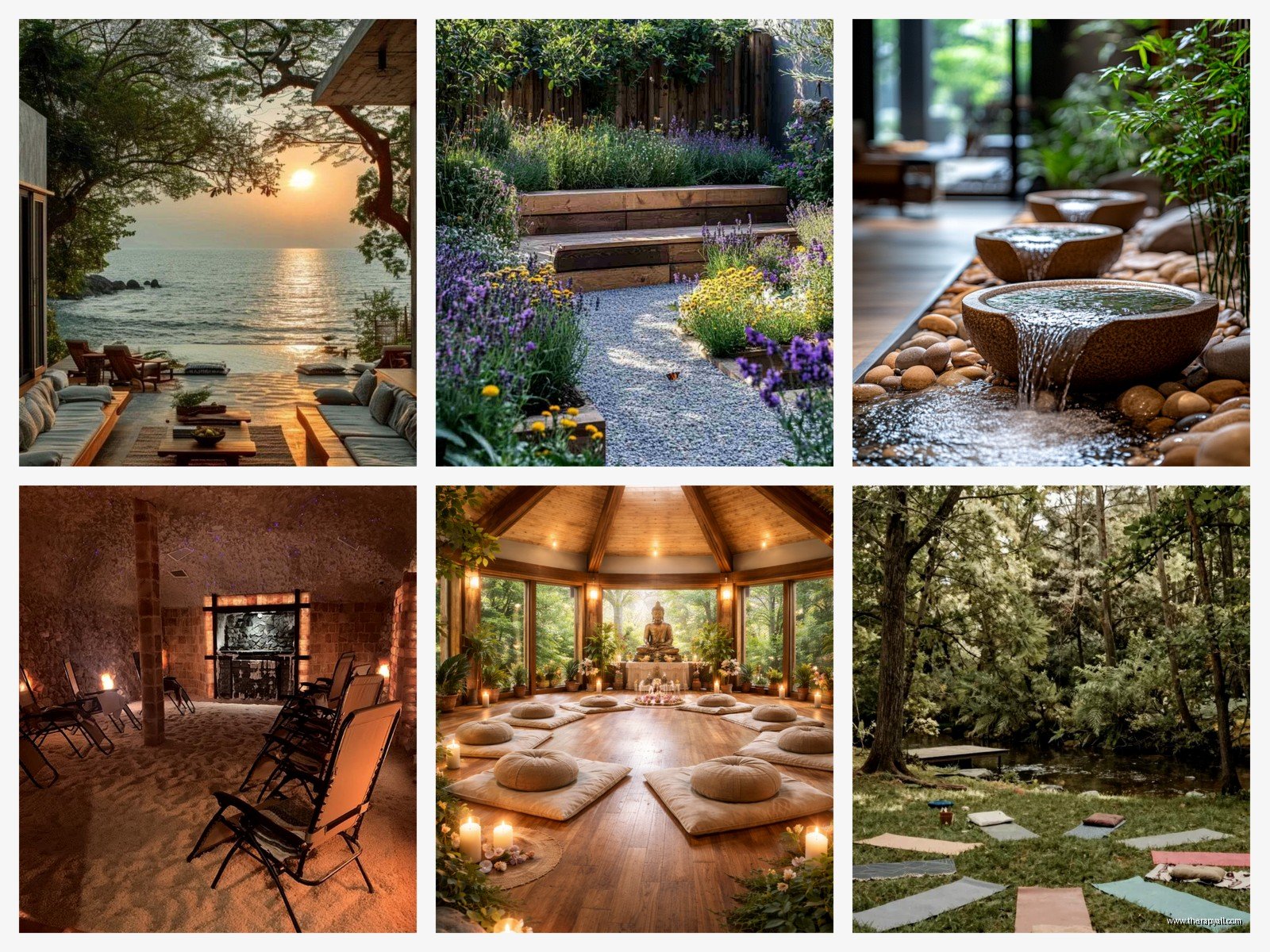
Okay, now we’re getting into the stuff that looks more like what people initially imagine. Wilderness therapy programs, adventure therapy, horticultural therapy programs—these all use natural environments as the primary therapeutic setting.
There’s solid research behind this. Exposure to nature reduces cortisol levels, improves attention, and can decrease symptoms of depression and anxiety. But it’s not just about “being outside.” These programs use the natural environment intentionally. Rock climbing becomes a metaphor for overcoming obstacles. Caring for a garden teaches patience and the relationship between effort and growth. Group backpacking creates situations where people have to communicate, problem-solve, and rely on each other.
I’m gonna be honest though—wilderness therapy can be controversial and some programs have had serious ethical issues. The therapeutic benefit comes from skilled facilitation and integration, not just from dumping troubled teens in the woods and hoping nature fixes them.
Sensory Rooms and Regulation Spaces
These are becoming more common in schools, hospitals, and therapy practices. A sensory room is a dedicated space designed to help with emotional regulation through controlled sensory input. They typically include items like weighted blankets, soft lighting options, textured objects, noise-canceling headphones, and sometimes things like bubble tubes or fiber optic lights.
For people with autism, ADHD, PTSD, or anxiety disorders, these spaces can be incredibly valuable. The idea is to provide a safe environment where someone can regulate their nervous system when they’re overwhelmed or dysregulated. You might use it proactively before a stressful event or reactively when you notice early signs of distress.
My cat absolutely destroyed my weighted blanket last month and I was unreasonably upset about it because I actually use that thing when I’m writing about anxiety all day and start feeling anxious myself, which is ironic but whatever.
Creating Therapeutic Spaces at Home
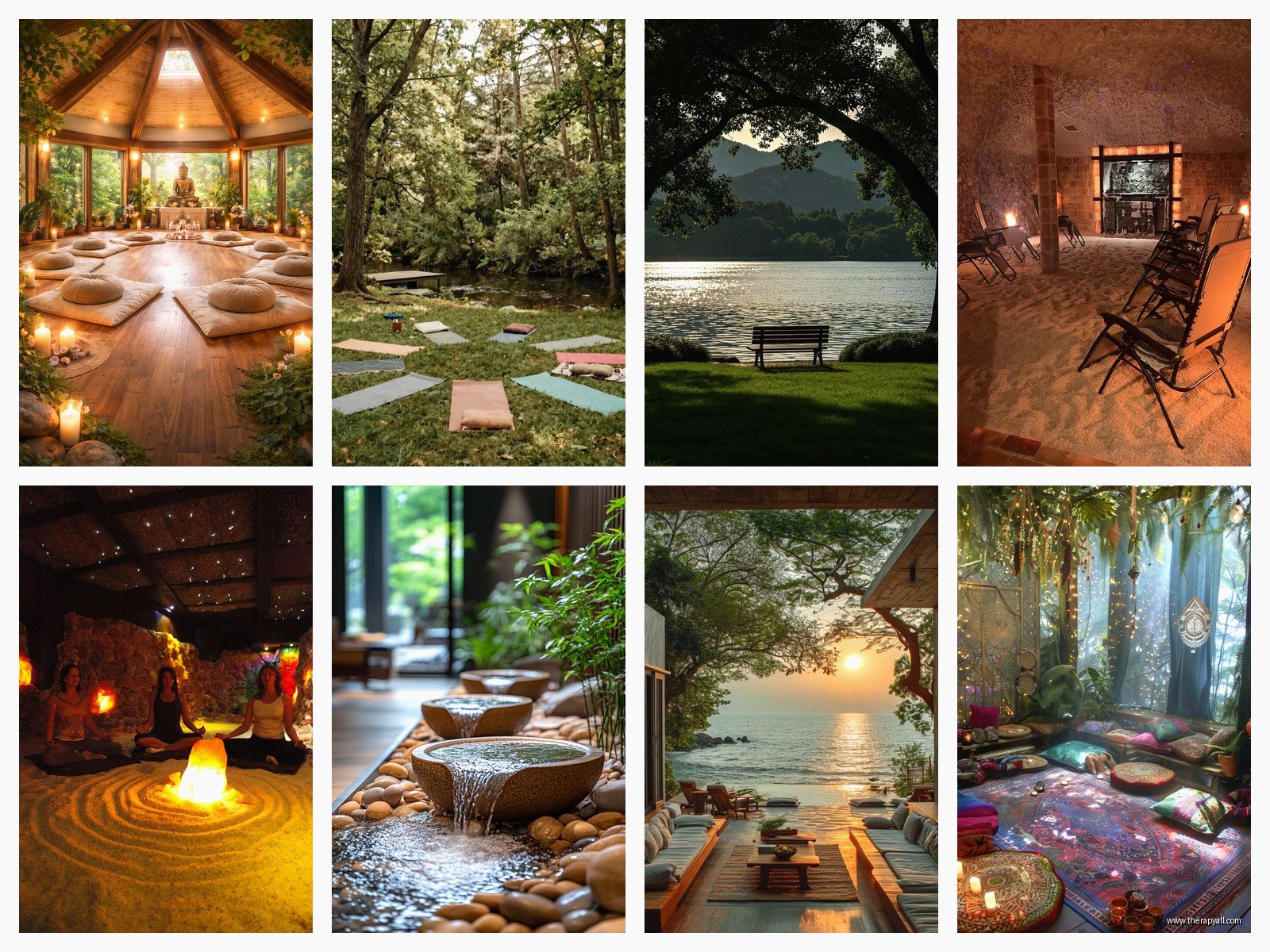
You don’t need a dedicated room to create a therapeutic space in your home. Even a corner of a bedroom or a specific chair can become a designated regulation spot if you use it consistently and intentionally.
The key elements are: it should be associated with calming or regulating activities (not work, not scrolling social media), it should have minimal distractions, and it should include items that engage your senses in helpful ways. This might be a comfortable cushion, a soft blanket, a playlist of calming music, a candle or essential oil diffuser, or fidget objects.
Some people create what’s essentially a “calm down kit” that they can take to their designated space. This might include a journal, coloring supplies, stress balls, headphones, photos of meaningful people or places, affirmation cards, or grounding objects with different textures.
The routine matters as much as the physical setup. If you consistently use this space when practicing deep breathing, progressive muscle relaxation, or meditation, your brain starts to associate that environment with those states. Classical conditioning isn’t just for dogs—it works on us too.
Community-Based Therapeutic Spaces
Libraries, community centers, support group meeting rooms, peer respite centers—these are therapeutic places that exist outside the traditional mental health system. They’re often less formal but can be equally important for recovery and wellness.
Peer respite centers are particularly interesting. These are short-term crisis alternatives run by people with lived experience of mental health challenges. The environment is deliberately non-clinical. It looks like a home, not a hospital. There’s a kitchen where people can cook together, comfortable common spaces, and the staff aren’t wearing scrubs or carrying clipboards everywhere.
The therapeutic element comes from the peer support model and the de-medicalized environment. For some people, this kind of space is more helpful during a crisis than a traditional emergency room, which can be re-traumatizing.
Art Therapy Studios and Creative Spaces
These are designed specifically for creative therapeutic work. They’re different from regular art studios because they’re set up to prioritize process over product. There’s less emphasis on creating something beautiful and more on using creative materials for expression, exploration, and healing.
A good art therapy space has a wide variety of materials available—paint, clay, collage materials, fabric, found objects. The setup allows for messy work without anxiety about ruining anything. There’s usually space to display work if clients want to, but also private storage for pieces that are too personal to share.
The same principles apply to music therapy rooms, dance/movement therapy studios, and drama therapy spaces. Each is designed to support the specific modality while maintaining that sense of safety and containment that’s essential for therapeutic work.
Virtual Therapeutic Spaces
Teletherapy obviously exploded during the pandemic, and we had to figure out how to create therapeutic space through a screen. It’s trickier than it sounds. You need to think about your background (neutral and non-distracting is usually best), lighting (facing a window or using a ring light), and sound quality (invest in a decent microphone, seriously).
But I’m talking about more than just video sessions. There are virtual reality therapeutic environments now. VR exposure therapy for phobias or PTSD. Virtual relaxation environments for anxiety management. Even online support group platforms that are designed to feel safe and contained despite being digital.
The question of whether these are “real” therapeutic spaces used to annoy me because people would be so dismissive, but the research is pretty clear that they can be effective. The therapeutic alliance still forms. People still do deep work. The medium is different but the core elements of safety, containment, and intentional design still apply.
Movement and Body-Based Therapeutic Spaces
Yoga studios used for yoga therapy, dance studios for movement therapy, gyms or fitness centers offering therapeutic exercise programs—these are therapeutic places that work through the body. The key difference between a regular yoga class and yoga therapy is the intention and training of the facilitator, plus the environment being set up to accommodate people at different ability levels and with different trauma histories.
Trauma-informed yoga spaces, for example, are designed with specific considerations. Mirrors might be covered or removed because they can be triggering for people with body image issues or dissociative disorders. The instructor uses invitational language rather than directive language. The room setup allows people to position themselves where they feel safest, which might be near the door or in a corner where they can see the whole room.
Workplace Wellness Rooms
More workplaces are creating dedicated wellness or meditation rooms. When done well, these can function as therapeutic spaces where employees can take breaks to regulate, de-stress, or manage symptoms. When done poorly, they’re just empty rooms that no one uses because there’s too much stigma or they’re located somewhere too visible.
The effective ones have actual amenities—comfortable seating, maybe a yoga mat, dim lighting options, and a door that locks for privacy. They’re treated as legitimate spaces to use during the workday, not just theoretical benefits that look good in the employee handbook.
What Makes a Space Actually Therapeutic
Here’s the thing that gets lost sometimes—a space isn’t therapeutic just because it’s pretty or calm. What makes a place therapeutic is the combination of intentional design, appropriate structure, skilled facilitation when needed, and the individual’s relationship to that space.
Safety is the foundation. Physical safety obviously, but also psychological safety. You need to feel that you can be vulnerable, express difficult emotions, or try new behaviors without judgment or harm. This is why the attitude and training of staff matters so much in clinical settings, or why the privacy and predictability of a home space matters.
Containment is another essential element. The space needs clear boundaries—physical, temporal, and relational. You know when you’re in the therapeutic space and when you’re not. There’s a beginning and end to the time there. The rules and expectations are clear.
Sensory considerations matter more than most people realize. Temperature, lighting, sound, smell, texture—all of these impact our nervous system and our ability to engage in therapeutic work. What works varies by person though. Some people need dim lighting and silence. Others need bright light and background noise. The best therapeutic spaces offer options or can be customized.
I was writing something about sensory processing for a client last summer and I realized I’d been sitting in a room that was way too hot for like three hours and I couldn’t figure out why I was so irritable, which kind of proved the point I was trying to make about environmental factors affecting our mental state.
The cultural and aesthetic aspects of a therapeutic space matter too. Does the space reflect and respect the identities of the people using it? Are there images, objects, or design elements that help people feel seen and welcomed? Or does everything default to a generic “wellness” aesthetic that actually only resonates with a narrow demographic?
Accessibility is part of what makes a space therapeutic. If someone can’t physically access the space, or if the sensory environment is overwhelming for their particular neurology, or if the cultural assumptions embedded in the design make them feel othered, then it’s not therapeutic for them regardless of how well-designed it is in other ways.
ADHD & Neurodiversity
Life Planner Bundle – Life Organizer
Self-Care & Personal Growth
Acceptance And Commitment
Anxiety & Stress
Stress Processing Journal & Reflection Worksheets For Daily Self – Care
Self-Care & Personal Growth
Self – Reflection Guided Journal With Guided Prompts 30
Emotional Wellness
Decision Processing – Thought Processing Journal For Daily Self – Care
Therapist Resources
Physiotherapist Journal PDF Planner Tracker Or Log Book
Self-Care & Personal Growth
Customizable Self – Confidence & Self – Esteem Guided Journal
ADHD & Neurodiversity
ADHD Behavior Tracker PDF Planner Tracker Or Log Book