
Mental Health, Therapy resources
Therapy Application – Everything You Need to Know

Jul
Therapy applications have exploded in the last few years, and honestly, I remember sitting in a coffee shop in 2021 with a colleague who was convinced that apps would replace therapists entirely within five years. I laughed then, and I’m still laughing now, but the landscape has definitely shifted in ways I didn’t expect.
A therapy app is essentially a digital platform designed to provide mental health support, resources, or actual therapeutic interventions through your phone or computer. These range from apps that connect you with licensed therapists for video sessions to self-guided programs that walk you through cognitive behavioral techniques. Some are basically glorified mood trackers with a meditation feature tacked on, while others offer structured programs developed by actual clinicians.
The Main Categories of Therapy Apps
You’ve got teletherapy platforms like BetterHelp, Talkspace, and Cerebral that connect users with licensed therapists. These aren’t really “apps” in the traditional sense—they’re full therapy services that happen to use app technology. You message or video chat with an actual person who has credentials and supervision and all that.
Then there are self-guided therapy apps. Think Sanvello, MindShift, Woebot, or Youper. These use evidence-based techniques, usually CBT or DBT principles, packaged into daily exercises, mood tracking, and automated responses. Woebot, for example, is a chatbot that guides you through cognitive restructuring exercises. It’s kinda like having a very patient, very repetitive therapy intern who never gets tired of your catastrophic thinking patterns.
Meditation and mindfulness apps like Headspace, Calm, and Insight Timer occupy their own space. They’re not therapy apps technically, but they get lumped into mental health conversations constantly, which honestly annoys me because mindfulness is a tool, not a treatment for clinical depression, and the way these apps market themselves sometimes blurs that line irresponsibly.
Crisis and peer support apps exist too—Crisis Text Line has an app, and there are platforms like TalkLife where people share experiences and support each other. These fill a different need entirely.
How Teletherapy Apps Actually Work
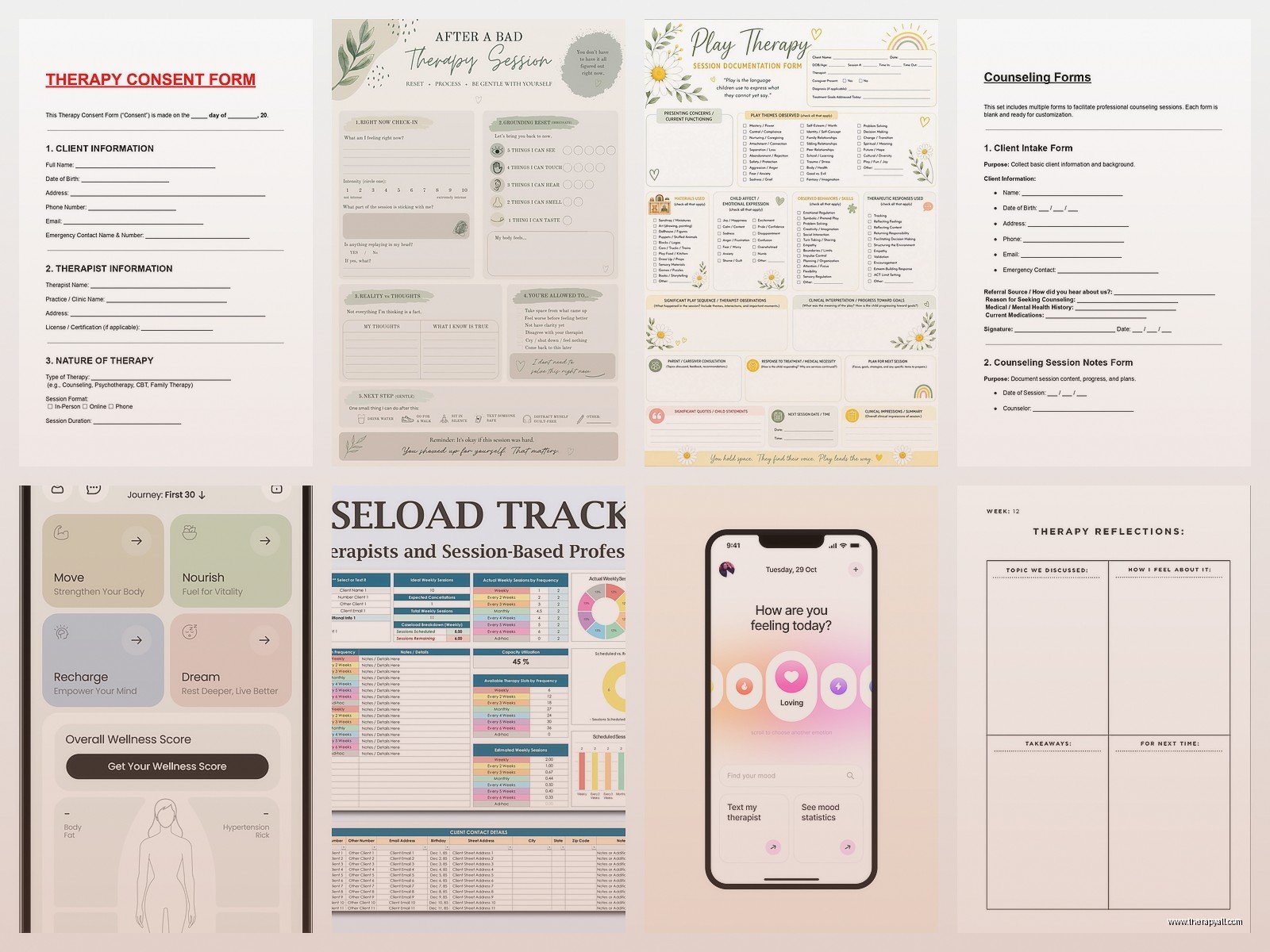
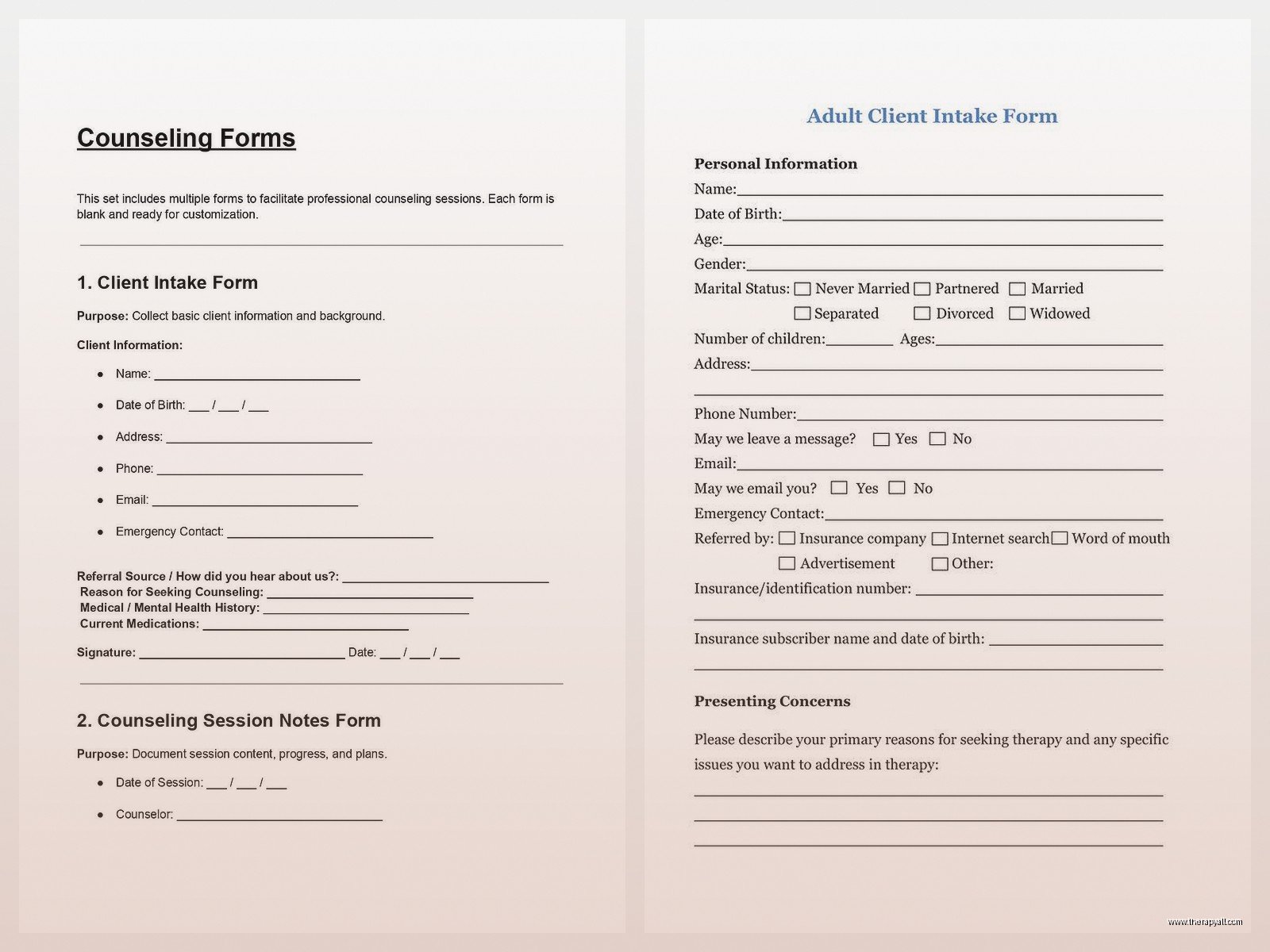
I tested BetterHelp myself back in 2020 when everyone was writing about it, and the process is pretty straightforward. You fill out an intake questionnaire—usually pretty detailed, asking about symptoms, history, preferences for therapist gender or specialty. The algorithm matches you with someone from their roster. You can message them anytime, and they respond within a day or so typically. You schedule live sessions, usually video but sometimes phone or chat.
The therapists are licensed in your state, which is legally required. They’re not employees usually—they’re contractors, which has its own set of implications for consistency and quality control. You pay a weekly or monthly subscription fee, which is often cheaper than traditional therapy but more expensive than people expect when they first look into it.
One thing that drives me up the wall is when people say these platforms are “just as good” as in-person therapy without any qualifiers. For some people, in some situations, yes absolutely. For complex trauma, severe mental illness, or situations requiring coordination with other providers… it’s more complicated. The research is still catching up, but we know that the therapeutic relationship matters enormously, and building that through a screen has different dynamics.
Self-Guided Apps and What They Offer
These apps typically include mood tracking, which is exactly what it sounds like—you log how you’re feeling multiple times a day or week. Over time, you can spot patterns. “Oh, I always feel worse on Sundays” or “my anxiety spikes after I talk to my mother” or whatever. This kind of data can be genuinely useful, both for you and for a therapist if you’re working with one.
CBT-based apps walk you through thought records, behavioral activation, exposure hierarchies, all the classic CBT interventions. You identify a negative thought, examine the evidence, generate alternatives, rate your belief in each. It’s structured and repetitive, which is actually the point—CBT works through practice and repetition.
Some apps include psychoeducation modules. Short lessons about anxiety, depression, trauma responses, relationship patterns. I’ve seen some really well-done content and some that’s so oversimplified it borders on useless. The quality varies wildly.
Guided exercises might include breathing techniques, progressive muscle relaxation, grounding exercises, visualization. My cat absolutely hates when I do the 4-7-8 breathing exercise because apparently I sound weird, but that’s beside the point.
The Research Question
Here’s where it gets interesting. There’s actually decent evidence that app-based interventions can reduce symptoms of mild to moderate depression and anxiety. A 2019 meta-analysis found that smartphone-based interventions showed small to moderate effects. Not groundbreaking, but not nothing either.
The problem is that most studies are funded by the companies making the apps, the samples are small, and the dropout rates are high. Like, really high. Most people download a mental health app and stop using it within two weeks. The ones who stick with it tend to see benefits, but we’re talking about a small subset of users.
Teletherapy research is more robust. Studies comparing video therapy to in-person therapy generally find comparable outcomes for many conditions. The COVID pandemic actually accelerated this research significantly because suddenly everyone was doing teletherapy whether they wanted to or not.
Privacy Concerns You Should Actually Know About
This is the part where I get genuinely concerned. Many therapy apps have privacy policies that would make you uncomfortable if you actually read them. They’re collecting data on your mental health symptoms, your messages, sometimes even your voice patterns or typing speed. Some sell this data to third parties. Some share it with advertisers.
HIPAA doesn’t apply to most of these apps unless they’re directly connected to a healthcare provider. That meditation app you downloaded? Not covered. That mood tracker? Nope. Even some teletherapy platforms operate in gray areas depending on how they’re structured.
I remember writing an article about this in 2022 and getting so frustrated trying to decode privacy policies that were clearly written to be incomprehensible. One app’s policy literally said they might share “de-identified” data but then described a de-identification process that was laughably inadequate.
You should look for apps that are transparent about data practices, don’t sell your information, use encryption, and ideally are HIPAA-compliant if they’re providing actual therapy services. This eliminates a lot of options, which tells you something about the industry.
Cost Breakdown
Free apps exist, but they’re usually either very basic or monetized through ads or data collection. You get what you pay for, kinda.
Self-guided therapy apps typically run $5-15 per month. Some offer free versions with limited features and premium upgrades.
Teletherapy platforms are more expensive—usually $240-400 per month depending on the service and how many sessions you want. That breaks down to roughly $60-100 per session if you’re doing weekly therapy, which is cheaper than traditional therapy in many areas but still a significant expense. Insurance coverage is inconsistent and complicated.
Some apps offer sliding scale or financial assistance, but you usually have to dig to find that information. It’s not prominently advertised, which… yeah, that tracks.
Who These Apps Actually Help
People in rural areas with limited access to mental health providers benefit enormously from teletherapy apps. That’s probably the clearest win.
People with mild to moderate symptoms who are relatively stable can do well with self-guided apps, especially if they’re motivated and have some existing coping skills. These apps work best as supplements or maintenance tools, not as primary interventions for serious mental illness.
People with scheduling constraints, mobility issues, or anxiety about in-person appointments often prefer app-based options. The convenience factor is real—you can do a therapy session from your car during lunch break or message your therapist at 11 PM when you’re spiraling.
Young adults and teenagers are often more comfortable with app-based communication, though I’d argue they still need the option for in-person care when appropriate.
Who Should Be Cautious
If you’re in crisis, apps are not the answer. Call 988 or go to an emergency room. Crisis Text Line can be a bridge, but it’s not a substitute for immediate professional intervention.
People with severe mental illness, active suicidal ideation, or complex trauma need more intensive care than an app can provide. Some teletherapy platforms specifically exclude these populations in their terms of service, which people don’t always realize until they’re already invested in the process.
If you need medication management, you’ll need to work with a psychiatrist or psychiatric nurse practitioner. Some apps like Cerebral offer this, but there’s been controversy about overprescribing controlled substances, and several platforms have scaled back these services.
Red Flags to Watch For
Apps that promise to “cure” anything are lying. Mental health doesn’t work that way.
If an app doesn’t clearly state who developed it or what credentials the developers have, that’s a problem. There are apps created by people with zero mental health training, and the advice ranges from useless to actively harmful.
Pushy marketing tactics, especially around medication or diagnosis, should make you skeptical. I’ve seen apps that essentially guide users toward ADHD diagnoses because that’s what they treat, regardless of whether that’s actually what’s going on—and that’s not okay.
If you can’t easily find information about privacy practices, data security, or how to delete your account and data, walk away.
The Chatbot Situation
AI chatbots in therapy apps are becoming more sophisticated, and this is where I have… mixed feelings. Woebot and Wysa use conversational AI to deliver CBT techniques, and they’re actually backed by research showing they can reduce symptoms. They’re not pretending to be human therapists; they’re upfront about being bots.
But the technology is advancing faster than the ethical frameworks, and I worry about people forming attachments to chatbots that are ultimately programmed to keep them engaged with the app. There’s also the question of what happens when the AI misinterprets something serious or fails to recognize a crisis.
Some people find chatbots less intimidating than human therapists, which is valid. There’s no judgment from a bot, no worry about being too much or too broken. But there’s also no genuine human connection, no attunement, no real understanding. It’s a tradeoff.
Integration with Traditional Therapy
A lot of therapists now recommend specific apps to clients as homework or between-session support. I’ve definitely suggested mood tracking apps or specific meditation exercises when it fits someone’s treatment plan. This hybrid approach—traditional therapy plus app-based tools—makes sense for many people.
If you’re using both, tell your therapist what apps you’re using. Share your mood tracking data if it’s relevant. Use the app exercises to practice skills you’re learning in session. That’s when these tools are most effective, honestly, when they’re part of a broader treatment approach rather than the whole thing.
The Accessibility Angle
Many therapy apps have terrible accessibility features for people with disabilities. Small text, poor screen reader compatibility, navigation that assumes fine motor control. It’s frustrating because these tools could theoretically increase access for disabled people, but the design often excludes them.
Language options are limited too. Most apps are English-only or offer maybe Spanish as a second option. The mental health content doesn’t translate well culturally even when it’s translated linguistically, which is a whole other conversation.
What Actually Makes an App Useful
Based on what I’ve seen and tested, useful therapy apps have clear, specific purposes. They don’t try to be everything to everyone. A good mood tracker just tracks moods really well. A good CBT app focuses on teaching and practicing CBT skills.
The interface should be simple enough that you’ll actually use it when you’re depressed or anxious, which is when you need it most. If I have to click through five screens to log a panic attack, I’m not gonna do it.
Evidence-based content matters. The techniques should come from established therapeutic approaches, not someone’s random theories about manifesting or crystal energy or whatever.
Customization helps. Not everyone responds to the same interventions, and apps that let you choose what works for you tend to have better engagement.
The Therapist Shortage Context
Part of why these apps have grown so much is that there simply aren’t enough therapists to meet demand. Wait lists are months long in many areas. Insurance reimbursement rates are so low that many therapists don’t take insurance, making therapy unaffordable for a lot of people. Apps are trying to fill that gap, and while they’re not a perfect solution, they’re something.
I think about this a lot when I’m writing about mental health tools—are we solving the actual problem or are we just creating workarounds that let the system stay broken? Apps can provide real help to real people, but they also let policymakers and insurance companies off the hook for adequately funding mental health care. Both things can be true.
The quality control issue keeps me up at night sometimes. Anyone can make an app. There’s no licensing board for therapy apps, no standardized training for the people creating content. Some apps are developed by teams of PhD psychologists with rigorous testing. Others are made by tech entrepreneurs who read a few psychology books and think they’ve cracked mental health. Users can’t always tell the difference.
ADHD & Neurodiversity
Life Planner Bundle – Life Organizer
Self-Care & Personal Growth
Acceptance And Commitment
Anxiety & Stress
Stress Processing Journal & Reflection Worksheets For Daily Self – Care
Self-Care & Personal Growth
Self – Reflection Guided Journal With Guided Prompts 30
Emotional Wellness
Decision Processing – Thought Processing Journal For Daily Self – Care
Therapist Resources
Physiotherapist Journal PDF Planner Tracker Or Log Book
Self-Care & Personal Growth
Customizable Self – Confidence & Self – Esteem Guided Journal
ADHD & Neurodiversity
ADHD Behavior Tracker PDF Planner Tracker Or Log Book