
Mental Health, Therapy resources
Therapy Termination Worksheets: Prepare for a Healthy Goodbye

Jun
# Understanding Therapy Termination Worksheets
Therapy termination worksheets are structured tools designed to guide both therapists and clients through the ending phase of a therapeutic relationship. They help organize thoughts, feelings, and reflections about the work done in therapy, and they create space to address unfinished business before saying goodbye.
I remember sitting in a supervision session back in 2019 when my supervisor pulled out what she called her “termination toolkit” and honestly, I was kinda shocked at how much preparation goes into ending therapy well. Most of the training programs I’d been through focused almost entirely on assessment and intervention, but barely touched on how to actually close out a case without it feeling abrupt or leaving the client hanging.
## What These Worksheets Actually Do
The primary function of termination worksheets is to create structure around an inherently emotional and sometimes awkward process. You’re essentially helping someone prepare to lose a relationship that’s been central to their growth, and that needs more than just “okay, see ya, good luck out there.”
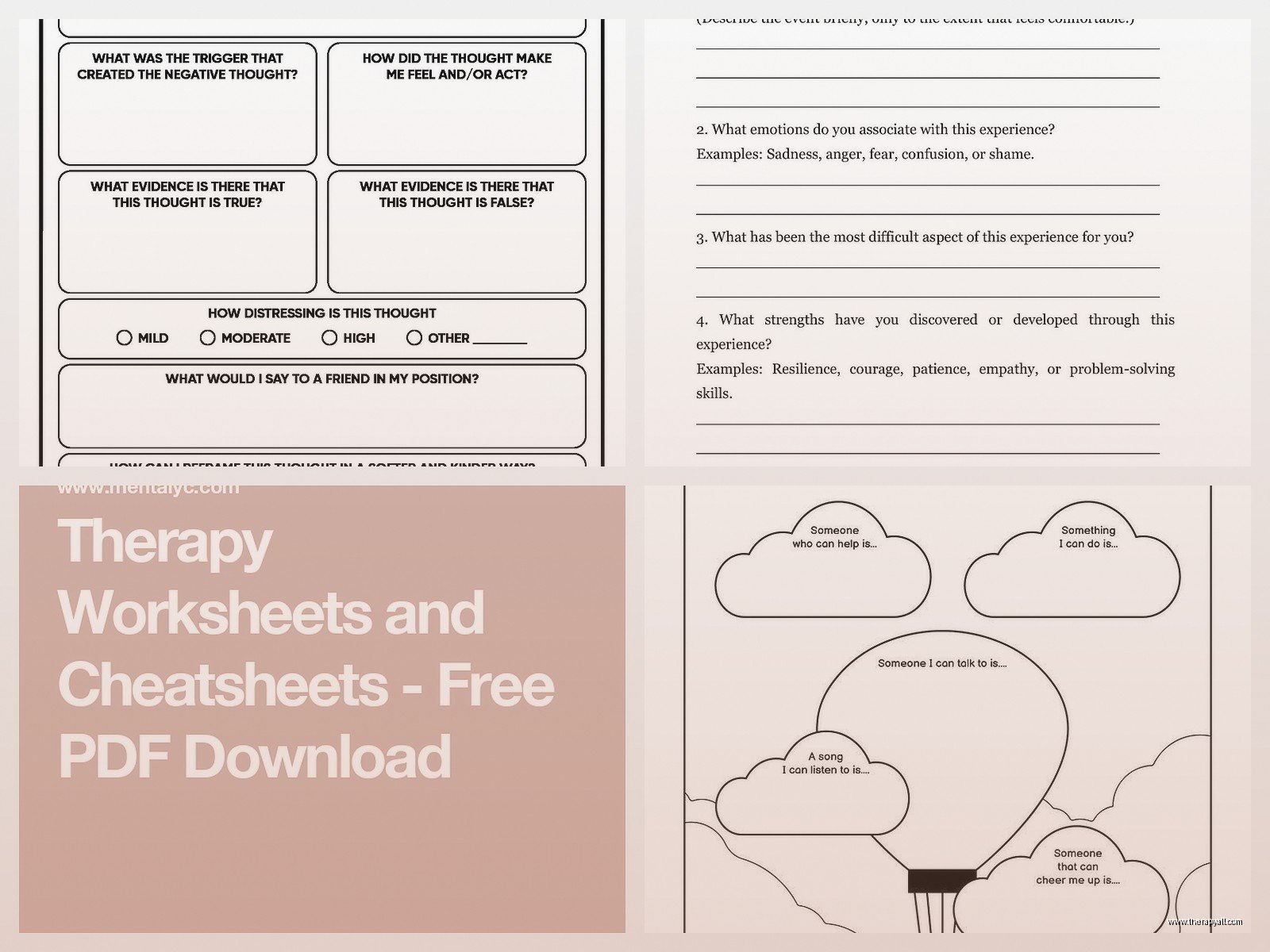
These tools typically cover several key areas: reflection on progress made, identification of skills learned, acknowledgment of remaining challenges, relapse prevention planning, and future goal setting. Some worksheets include sections for clients to write letters to themselves or to their therapist, which can feel forced but actually works surprisingly well when people commit to it.
What genuinely annoyed me for years was how many termination worksheets I’d find online that were just… generic goodbye templates. Like, they could’ve been used for ending a book club membership. They completely missed the therapeutic nuance of what termination actually means in a clinical relationship. The worst ones would have these overly cheerful prompts like “What are you most excited about?” when the client might actually be terrified or grieving the loss of their therapy space.
## Core Components You’ll Find
Most effective termination worksheets include a progress review section. This is where clients document specific changes they’ve noticed in themselves since starting therapy. I usually encourage really concrete examples here, not just “I feel better” but something like “I can now ride the subway without having a panic attack” or “I’ve set boundaries with my mother three times this month.”
The skills inventory is another critical piece. You want clients to name the actual tools they’ve learned, whether that’s deep breathing, cognitive restructuring, communication techniques, whatever. The act of listing these out serves as a reminder that they’re taking these skills with them—therapy isn’t the only place these tools exist.
Warning signs and relapse prevention typically get their own section. This is where you identify what red flags might indicate the client is sliding backward, and what their action plan should be if that happens. It’s less about being pessimistic and more about being realistic that mental health isn’t a straight line upward.
Future therapy considerations matter too. Some worksheets include space for clients to reflect on what they’d want from therapy if they return in the future, what worked well this time, what didn’t, what they’d want to be different.
## Types of Termination Worksheets
There are client-facing worksheets that the person fills out independently, usually as homework between sessions. These tend to be more reflective and personal, giving people space to process their feelings about ending without the pressure of real-time conversation.
Therapist-guided worksheets are designed to be completed together during sessions. These often include more structured questions and might have sections where both the therapist and client contribute their perspectives. I’ve used these when I needed more control over the pacing of termination discussions—some clients will just skip the hard emotional parts if you give them homework to do alone.
Dyadic worksheets create parallel spaces for both therapist and client to reflect separately, then compare notes. These can be powerful but also require a lot of trust in the relationship. Not gonna lie, the first time I tried one of these, I was nervous about what I’d written compared to what my client wrote, like we were gonna have completely different versions of what happened in our work together.
Timeline-based worksheets map out the therapy journey chronologically, asking clients to identify key moments, breakthroughs, setbacks, and turning points. These work especially well for longer-term therapy relationships where there’s actually enough material to create a meaningful timeline.
## When to Introduce These Tools
You don’t spring termination worksheets on someone in the final session. That’s terrible planning and kind of cruel, honestly. The general rule is to start the termination process at least 3-4 sessions before the actual end date, though this varies based on how long you’ve been working together.
For short-term therapy (under 12 sessions), maybe you introduce these tools 2-3 sessions out. For long-term work spanning years, you might need 6-8 weeks of termination processing. I once worked with a client for almost three years and we spent two full months on termination, which felt excessive at first but was actually necessary given how much material we had to review.
Some therapists introduce the concept of eventual termination way earlier in treatment, like during the initial sessions when discussing the therapy framework. This demystifies the process and normalizes that therapy is meant to end. My cat knocked over my coffee cup right as I was typing this and I just—anyway, the point is that termination shouldn’t be a surprise topic.
## How Clients Actually Use These
The practical application varies wildly. Some clients treat these worksheets like sacred documents, spending hours carefully crafting their responses. Others dash off quick answers right before session. Both approaches are fine, though obviously the depth of reflection differs.
I encourage clients to revisit their completed worksheets periodically after therapy ends. It serves as a tangible reminder of their work and growth during moments when they might be doubting themselves or forgetting how far they’ve come.
Some people keep their termination worksheets in a specific place—a drawer, a folder, a box with other meaningful items. The physical act of preserving these documents can be part of honoring the therapeutic relationship and what it meant.
## Common Sections and Prompts
**Gratitude and Appreciation**: This section asks clients to identify what they’re grateful for from the therapy experience. It might include appreciation for specific interventions, for the therapist’s qualities, for the safe space created, or for their own courage in showing up.
**Challenges and Disappointments**: Good termination worksheets don’t just focus on the positive. They create space for clients to name what didn’t work, what they wish had been different, or what goals remain unmet. This section can feel uncomfortable but it’s important for authentic closure.
**Letter to Future Self**: Many worksheets include a prompt for clients to write themselves a letter they can open during difficult times after therapy ends. These letters typically remind the person of their strength, their skills, and their capacity to handle challenges.
**Unfinished Business**: This is where clients can name anything that still feels incomplete or unsaid. Sometimes there are things people have been holding back throughout therapy, and termination creates a last opportunity to voice those thoughts.
**Resources and Support**: A practical section listing ongoing support systems, crisis resources, self-help tools, and community connections the client plans to utilize after therapy ends.
## The Therapist’s Role
You’re not just handing someone a worksheet and saying “fill this out.” The therapist needs to actively guide the termination process, creating safety for difficult emotions that arise, and normalizing the grief or anxiety that often accompanies ending.
I process my own reactions to termination too, though obviously not with the client in the same way. Every termination brings up stuff for the therapist—whether it’s satisfaction about the work done, disappointment about unmet goals, or personal feelings about loss and endings.
Some therapists complete their own version of termination worksheets, documenting their reflections on the work, their own learning from the case, and their hopes for the client’s continued growth. This can be a valuable supervision tool or personal practice even if it’s never shared.
## Special Termination Scenarios
Planned termination versus unexpected endings require different approaches. When termination is planned and mutual, you have the luxury of time to work through these worksheets thoroughly. When someone needs to end abruptly—due to moving, financial constraints, insurance changes, or other life circumstances—you might need abbreviated versions or focus on only the most critical elements.
Termination after unsuccessful therapy needs particular sensitivity. Not every therapeutic relationship works out, and worksheets for these situations should acknowledge that reality while still helping the client extract whatever value they can from the experience.
Therapist-initiated termination (due to ethical concerns, scope of practice issues, or therapeutic impasse) requires worksheets that help the client understand the reasoning without taking on shame or feeling rejected. These are delicate and I’ve definitely struggled with getting the tone right.
## Digital Versus Paper Formats
There’s an ongoing debate about whether termination worksheets work better in digital or physical formats. Paper worksheets have a tangible quality that some people find meaningful—you can hold them, file them, even burn them in some ritual if that’s your thing. Digital versions are easier to store long-term and can include interactive elements or links to resources.
I’m personally biased toward paper for termination work because there’s something about handwriting that slows people down and creates space for deeper reflection. But I’ve also seen clients do beautiful work with digital documents, so it really depends on individual preference.
## What Makes a Worksheet Actually Useful
The best termination worksheets balance structure with flexibility. They provide enough guidance that people know what to reflect on, but enough open space that responses can be authentic and personal rather than forced into predetermined boxes.
Clear, jargon-free language matters. If your worksheet is full of therapy-speak that the client has to decode, it’s not serving its purpose. Questions should be direct and understandable.
Appropriate length is crucial—too short and you’re not creating enough space for meaningful reflection, too long and people get overwhelmed or rush through it. I’ve found that 3-5 pages tends to be the sweet spot, though this varies.
## Integration with Other Termination Activities
Worksheets shouldn’t be the only termination intervention. They work best when integrated with verbal processing, reviewing case notes together, creating termination rituals, or other closure activities that fit the client’s needs and preferences.
Some therapists combine worksheets with more creative approaches like having clients create artwork representing their journey, compile playlists that capture different phases of therapy, or engage in symbolic activities that mark the transition.
## The Emotional Reality
Let’s be real: termination is often sad and weird and complicated. Worksheets help organize that mess, but they don’t make it neat or easy. Clients might cry while filling them out, or avoid them entirely, or get angry at questions that feel too probing.
Your job is to hold space for whatever comes up while also gently encouraging completion of the termination process. Some resistance is normal and should be explored rather than pushed through.
I’ve had clients tell me years later that they still pull out their termination worksheets when they’re struggling, and that’s exactly what these tools are meant to do—serve as a bridge between therapy and independent functioning, a reminder that the work continues even after the formal relationship ends.

ADHD & Neurodiversity
Life Planner Bundle – Life Organizer
Self-Care & Personal Growth
Acceptance And Commitment
Anxiety & Stress
Stress Processing Journal & Reflection Worksheets For Daily Self – Care
Self-Care & Personal Growth
Self – Reflection Guided Journal With Guided Prompts 30
Emotional Wellness
Decision Processing – Thought Processing Journal For Daily Self – Care
Therapist Resources
Physiotherapist Journal PDF Planner Tracker Or Log Book
Self-Care & Personal Growth
Customizable Self – Confidence & Self – Esteem Guided Journal
ADHD & Neurodiversity
ADHD Behavior Tracker PDF Planner Tracker Or Log Book