
Mental Health, Therapy resources
Personal Counselor – Complete Guide

Aug
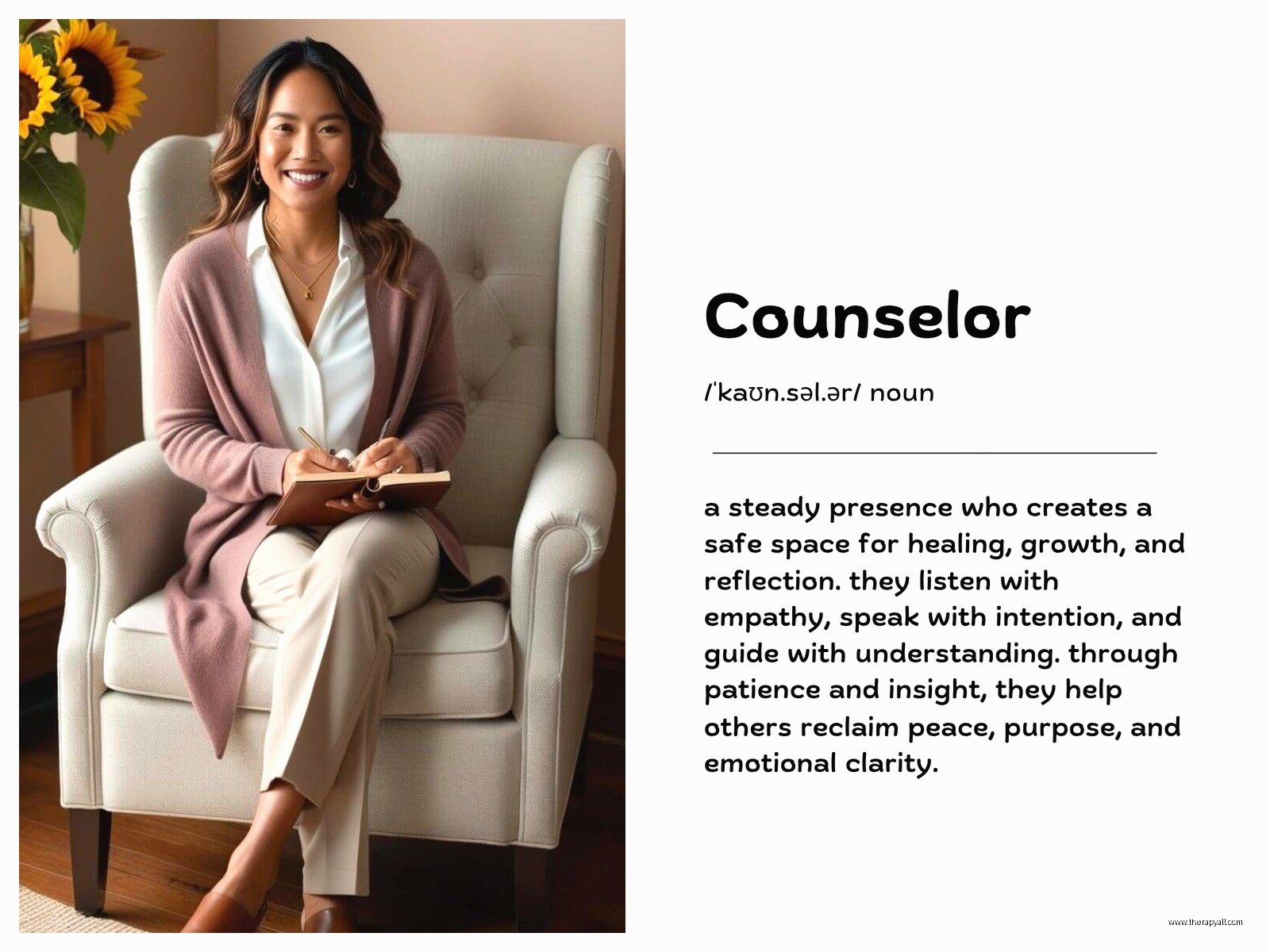
A personal counselor is a trained mental health professional who works with individuals to address emotional, psychological, and behavioral challenges through one-on-one therapeutic sessions. They’re not the same as psychiatrists (who can prescribe medication) or life coaches (who focus on goals rather than clinical treatment), and honestly it bugs me when people use these terms interchangeably like they’re all just different flavors of the same thing.
Personal counselors typically hold a master’s degree in counseling, psychology, or a related field, and they’re licensed by their state or country to practice. The specific title varies—Licensed Professional Counselor (LPC), Licensed Mental Health Counselor (LMHC), Licensed Clinical Professional Counselor (LCPC)—depending on where you live. I remember back in 2019 when I was writing a directory piece for a mental health platform and had to create a chart with like 47 different licensing abbreviations across different states, and my cat knocked over my coffee right onto the printout. Anyway, the licensing part matters because it means they’ve completed supervised clinical hours and passed exams.
What Personal Counselors Actually Do
The work involves assessment, diagnosis (in many cases), treatment planning, and ongoing therapy sessions. You meet with them regularly—usually weekly or biweekly—for 45-60 minute sessions. They use evidence-based approaches like Cognitive Behavioral Therapy (CBT), Dialectical Behavior Therapy (DBT), psychodynamic therapy, or person-centered therapy, though many counselors integrate multiple approaches.
During sessions, they’re gonna help you identify patterns in your thoughts, emotions, and behaviors. They ask questions, listen actively, offer reflections, teach coping skills, and sometimes assign homework between sessions. It’s not advice-giving in the traditional sense—though I know that frustrates people who want someone to just tell them what to do.
Personal counselors work with a wide range of issues: anxiety, depression, relationship problems, trauma, grief, stress management, self-esteem issues, career transitions, and life adjustments. Some specialize in specific populations (adolescents, couples, LGBTQ+ clients) or specific issues (eating disorders, substance abuse, PTSD).
Types of Personal Counselors
The field has several distinct specializations, and understanding these helps you find the right fit:
- Clinical Mental Health Counselors: Work with diagnosable mental health conditions in various settings including private practice, community mental health centers, and hospitals
- School Counselors: Focus on academic, career, and social-emotional development in educational settings
- Rehabilitation Counselors: Help people with physical, mental, developmental, or emotional disabilities
- Substance Abuse Counselors: Specialize in addiction treatment and recovery support
- Marriage and Family Therapists: Though technically a separate license (LMFT), they function similarly and focus on relational dynamics
- Career Counselors: Address work-related stress, career transitions, and professional development
How to Find a Personal Counselor
You can search through your insurance provider’s directory, use platforms like Psychology Today’s therapist finder, or ask your primary care doctor for referrals. Many people also find counselors through word-of-mouth recommendations, though remember that a counselor who works well for your friend might not click with you.
When searching, consider these factors:
- Specialization in your specific concern
- Treatment approach and theoretical orientation
- Availability and session times
- Location or telehealth options
- Cost and insurance acceptance
- Cultural competency and identity factors
Most counselors offer a brief phone consultation before the first session. Use this to ask about their experience with your issues, their approach, and practical details. It’s kinda like a mini-interview, and you’re allowed to shop around.
What Happens in the First Session
The initial appointment focuses on gathering information. Your counselor will ask about your current concerns, symptoms, history, family background, medical information, previous therapy experiences, and current support system. They’ll explain confidentiality limits, session structure, fees, and cancellation policies. You’ll probably fill out intake paperwork—some counselors send this electronically beforehand, which honestly saves everyone time.
I’ve written so many articles about “what to expect in therapy” and the one thing I always emphasize is that the first session might feel awkward or surface-level. You’re not gonna solve everything in 50 minutes. The counselor is assessing and you’re both figuring out if it’s a good fit.
Treatment Approaches Personal Counselors Use
Understanding the main therapeutic modalities helps you know what you’re getting into:
Cognitive Behavioral Therapy (CBT)
CBT focuses on the connection between thoughts, feelings, and behaviors. The counselor helps you identify distorted thinking patterns and develop more balanced thoughts, which then influences how you feel and act. It’s structured, goal-oriented, and typically short-term (12-20 sessions for many issues). You’ll likely get worksheets, thought records, or behavioral experiments to practice between sessions.
Dialectical Behavior Therapy (DBT)
Originally developed for borderline personality disorder but now used for emotion regulation issues broadly. DBT teaches four skill sets: mindfulness, distress tolerance, emotion regulation, and interpersonal effectiveness. It usually involves individual therapy plus skills group, though some counselors teach DBT skills in individual sessions only.
Psychodynamic Therapy
This explores how past experiences, particularly childhood, influence current patterns. It’s less structured than CBT, focuses more on insight and unconscious processes, and tends to be longer-term. The counselor might point out patterns you’re not aware of or explore how you relate to them as a reflection of other relationships.
Person-Centered Therapy
Based on Carl Rogers’ work, this approach emphasizes the therapeutic relationship itself as healing. The counselor provides unconditional positive regard, empathy, and genuineness, creating space for you to explore and grow at your own pace. It’s less directive—the counselor follows your lead rather than setting specific agendas.
Solution-Focused Brief Therapy
Concentrates on solutions rather than problems, focusing on your strengths and times when the problem is less severe. Sessions explore what you want to be different and what’s already working, even slightly. It’s typically very short-term, sometimes just 3-6 sessions.
Cost and Insurance Considerations
Personal counseling costs vary widely. In-network sessions with insurance might have copays ranging from $10-$50. Out-of-network or private pay sessions typically run $75-$250+ per session depending on location, counselor experience, and specialization. Urban areas and specialized services cost more.
If you have insurance, verify mental health coverage before starting. Check your deductible, copay amount, session limits, and whether the counselor is in-network. Some insurance requires pre-authorization or only covers certain diagnoses. Out-of-network counselors might provide superbills for you to submit for partial reimbursement, but there’s no guarantee your insurance will pay.

For those without insurance or with high costs, options include:
- Community mental health centers with sliding scale fees
- University training clinics where graduate students provide services under supervision at reduced rates
- Employee Assistance Programs (EAP) through your workplace, usually offering 3-8 free sessions
- Online platforms like BetterHelp or Talkspace with subscription models
- Open Path Collective, offering sessions with vetted therapists for $30-$80
Online vs. In-Person Counseling
Telehealth counseling exploded during COVID and many counselors now offer it permanently. Video sessions provide convenience, eliminate commute time, and expand your options beyond your immediate geographic area. Some people feel more comfortable in their own space, while others find it harder to focus or feel less connected through a screen.
In-person sessions offer better nonverbal communication, fewer technical disruptions, and clearer boundaries between therapy and home life. Some modalities work better in person—like certain trauma therapies or anything involving movement.
There’s no right answer. I’ve talked to people who swear by video therapy and others who need that physical separation of going to an office. You can also switch between formats if your counselor offers both.
How Long Counseling Takes
This varies enormously based on your concerns, goals, and approach. Short-term counseling might be 6-12 sessions for a specific issue like adjusting to a life change or learning anxiety management skills. Moderate-term counseling could be 3-6 months for depression, relationship issues, or grief. Long-term therapy might continue for years when addressing complex trauma, personality patterns, or chronic mental health conditions.
Some people do intensive work then taper to monthly maintenance sessions. Others take breaks and return when new issues arise. There’s this weird pressure in therapy content to make it sound like everyone should do therapy forever or that you’re “done” after a set number of sessions, but it’s actually much more individual than that.
Confidentiality and Its Limits
What you tell your counselor is confidential with specific exceptions. They must break confidentiality if you’re at risk of harming yourself or others, if there’s suspected child or elder abuse, or if ordered by a court. Some states have additional mandated reporting requirements.
Your counselor will explain these limits in the first session. They’ll also discuss how they handle records, who has access to your information, and what happens if you request your file. If you’re using insurance, your counselor submits a diagnosis code to your insurance company, which becomes part of your medical record.
When to Switch Counselors
Not every counselor-client match works out, and that’s normal. Consider switching if you feel judged, misunderstood, or uncomfortable after multiple sessions. If your counselor seems distracted, consistently late, or crosses boundaries, those are red flags. If you’re not making any progress after several months and you’re actively participating, it might be a mismatch in approach or specialization.
Sometimes the fit just isn’t there even when nothing’s technically wrong—you might need someone with a different style, background, or approach. I remember writing about therapeutic alliance back in summer 2021 and interviewing counselors about this, and almost all of them said they’d rather a client switch than stay in an unhelpful therapeutic relationship out of politeness or… wait, what was I saying? Right, switching counselors.
You don’t need to explain in detail why you’re leaving, though some counselors appreciate brief feedback. A simple “I don’t think this is the right fit for me” is sufficient. They might offer referrals to other counselors who might be better matches.
What Personal Counselors Can’t Do
Understanding the limitations matters as much as knowing what counselors offer. They cannot prescribe medication (you need a psychiatrist, psychiatric nurse practitioner, or in some states, a psychologist with prescribing privileges). They can’t provide 24/7 crisis support—that’s what crisis hotlines and emergency services are for. They won’t make decisions for you or tell you what to do with your life, despite what people seem to expect.
Counselors also can’t guarantee specific outcomes, fix your problems without your active participation, or change other people in your life. They can’t break confidentiality just because your family member is worried about you (unless you’re in danger). And they shouldn’t be your friend, date you, or have dual relationships—those are ethical violations.
Red Flags to Watch For
Most counselors are ethical and competent, but problems exist in every field. Be cautious if your counselor:
- Talks excessively about their own problems
- Makes you feel worse consistently rather than challenged-but-supported
- Pushes a specific religious or political agenda
- Suggests meeting outside of professional settings
- Guarantees specific results or quick fixes
- Pressures you to continue therapy when you want to stop
- Violates confidentiality without legal reason
- Seems impaired during sessions
You can file complaints with your state licensing board if a counselor violates ethical standards. You can also simply terminate and find someone else.
Getting the Most from Counseling
Your engagement matters more than the specific counselor or approach, honestly. Show up consistently, be honest even when it’s uncomfortable, do any between-session work, and speak up if something isn’t working. It’s alright to tell your counselor “I don’t find these worksheets helpful” or “I need more concrete strategies” or “Can we focus on this issue instead?”
Give it time—most people don’t notice significant changes until 4-6 sessions in. But also trust your gut if something feels off. You’re allowed to have preferences, ask questions, and advocate for what you need. The counselor is the expert in mental health treatment, but you’re the expert in your own experience.
ADHD & Neurodiversity
Life Planner Bundle – Life Organizer
Self-Care & Personal Growth
Acceptance And Commitment
Anxiety & Stress
Stress Processing Journal & Reflection Worksheets For Daily Self – Care
Self-Care & Personal Growth
Self – Reflection Guided Journal With Guided Prompts 30
Emotional Wellness
Decision Processing – Thought Processing Journal For Daily Self – Care
Therapist Resources
Physiotherapist Journal PDF Planner Tracker Or Log Book
Self-Care & Personal Growth
Customizable Self – Confidence & Self – Esteem Guided Journal
ADHD & Neurodiversity
ADHD Behavior Tracker PDF Planner Tracker Or Log Book