
Mental Health, Therapy resources
Mental Health Worksheets for Teenagers: Tools for Young Minds
Jun
What Mental Health Worksheets Actually Are
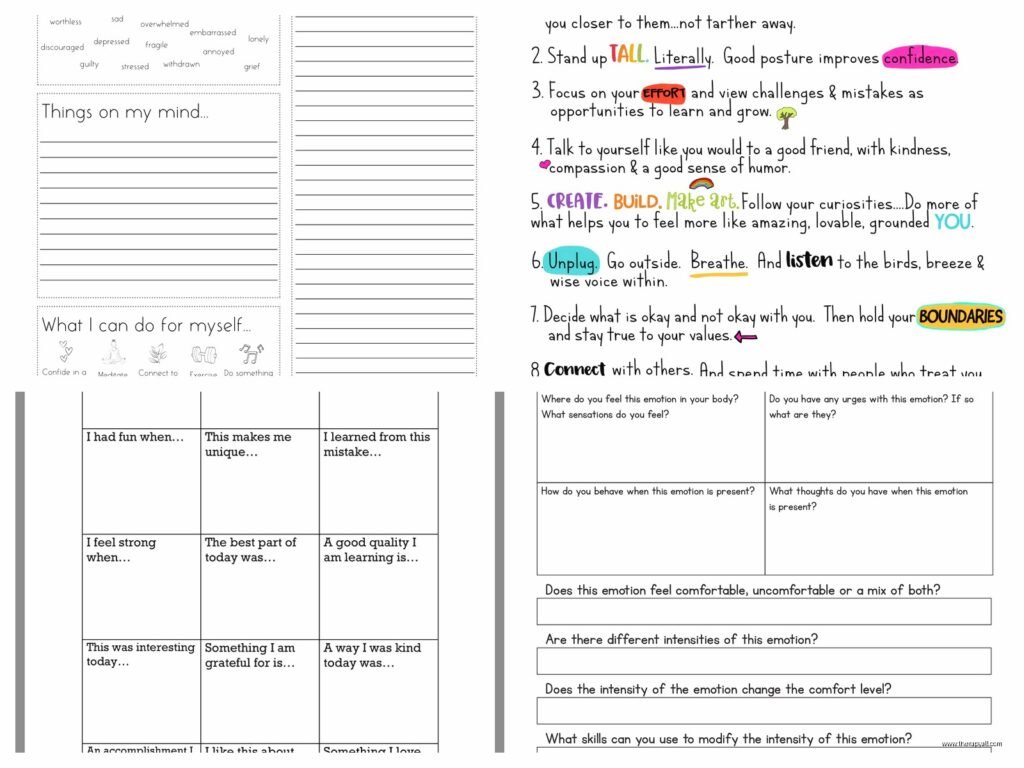
Mental health worksheets for teenagers are structured paper or digital tools designed to help adolescents process emotions, identify thought patterns, practice coping skills, and build self-awareness. They’re not therapy itself—they’re supplemental tools that therapists, school counselors, parents, or teens themselves can use to work through specific psychological concepts in a concrete way.
I remember summer 2019, I was consulting at a teen outpatient program and this 15-year-old girl told me she “didn’t get therapy” because it was “just talking about feelings.” Her therapist handed her a cognitive distortion worksheet the next session and suddenly she had this moment of recognition—she could literally see her black-and-white thinking written out in front of her. That’s what good worksheets do. They make abstract psychological concepts visible and workable.
You use these tools to create distance between a teenager and their immediate emotional experience. Instead of being consumed by anxiety or depression, they’re filling out boxes, circling options, drawing connections. It externalizes the internal mess, which is especially helpful for teenagers who might not have the verbal processing skills yet to articulate what’s happening in their heads.
Types of Worksheets You’ll Actually Use
Mood tracking sheets are probably the most common. Teens record their emotions throughout the day or week, often rating intensity on a scale. Some include space to note triggers, physical sensations, or what they were doing when the mood shifted. The point isn’t to make teenagers feel better immediately—it’s pattern recognition. After two weeks of tracking, you might notice that every Tuesday after math class there’s a spike in anxiety, or that睡眠 under six hours correlates with irritability.
Cognitive behavioral therapy worksheets focus on the thought-feeling-behavior connection. The classic thought record has teenagers identify a situation, their automatic thoughts about it, the emotions that followed, evidence for and against the thought, and then a more balanced perspective. I’ve seen versions with three columns, five columns, even circular diagrams. Honestly, the format matters less than whether the teen will actually fill it out, and most teenagers I’ve worked with prefer simpler layouts.
Coping skills inventories list dozens of potential strategies—deep breathing, calling a friend, drawing, going for a walk, listening to music—and teens check off which ones they’ve tried and which actually helped. It sounds basic but it’s practical. When you’re in crisis mode, your brain doesn’t generate a menu of options. Having a pre-made list you created when you were calm is genuinely useful.
Emotion identification worksheets help teenagers expand their emotional vocabulary beyond “fine,” “good,” “bad,” and “whatever.” They might include emotion wheels with gradations from mild to intense, or lists of feeling words organized by category. Some have faces showing different expressions, which seems juvenile but actually works for teens who’ve spent years suppressing or misidentifying their emotions.
The Specific Psychology Behind Why These Work
Worksheets leverage something called cognitive defusion—creating space between a person and their thoughts. When a teenager writes down “I’m worthless” on paper as a thought they’re examining rather than a fact they’re experiencing, it becomes an object to analyze instead of a truth to accept. You’re basically teaching metacognition, the ability to think about thinking.
There’s also the simple benefit of slowing down. Teenage brains are flooded with hormones, still developing prefrontal cortices, navigating intense social dynamics—everything moves fast and feels urgent. Writing by hand (or even typing) forces a deceleration. You can’t fill out a thought record while simultaneously spiraling at full speed. The act of transferring internal experience to external format requires enough cognitive engagement that it interrupts rumination.
Structure reduces overwhelm. When emotions feel chaotic and unmanageable, having boxes to fill in and questions to answer provides containment. It’s similar to why some people find cleaning therapeutic when they’re anxious—there’s a clear task with a beginning and end. Worksheets give teenagers something to do with their distress besides sit in it or avoid it.
What Actually Makes a Worksheet Effective for Teens
Visual appeal matters more than adults want to admit. I’m gonna be honest, I’ve seen so many mental health worksheets that look like they were designed in 1987 using clip art and Times New Roman. Teenagers take one look and immediately decide it’s not for them. The worksheet doesn’t need to be Instagram-worthy, but clean layout, readable fonts, and maybe some color goes a long way toward actual usage.
Length is critical. If a worksheet is three pages long, most teenagers will not complete it. Their attention spans aren’t worse than adults’—they just have less tolerance for busywork, and they can smell filler content from a mile away. One page, maybe front and back, is the sweet spot. Anything longer better be genuinely engaging or address a topic they specifically care about.
Language needs to be direct without being condescending. Nothing makes a teenager dismiss a resource faster than feeling talked down to. Skip the “Hey friend!” tone and the excessive exclamation points. Also skip clinical jargon unless you’re gonna define it. “Identify your cognitive distortions” means nothing to most 14-year-olds. “Circle the thinking traps you notice yourself falling into” works better.
Relevance to their actual lives is non-negotiable. A worksheet about workplace stress management isn’t helpful for someone navigating high school social dynamics, academic pressure, and identity formation. The examples need to reflect teenage experiences—friendship conflicts, body image concerns, parental expectations, social media comparison, romantic relationships, academic anxiety. Generic stress management worksheets miss the mark.
Common Categories and What They Address
Anxiety worksheets often include exposure hierarchies where teenagers list feared situations from least to most anxiety-provoking, then gradually work through them. There are also worry time schedules, where you designate 15 minutes a day for worrying and practice postponing anxious thoughts to that window. Sounds weird, actually has research support. I use a version of this myself when I’m catastrophizing about deadlines or… pretty much anything, if I’m being real.
Depression-focused tools frequently incorporate behavioral activation—scheduling activities that used to bring pleasure or accomplishment, even when motivation is absent. The worksheet might have teenagers plan three small activities for the week and track completion and mood impact. It’s based on the principle that action precedes motivation, not the other way around, which is counterintuitive but backed by solid evidence.

Anger management worksheets map the anger cycle, helping teenagers identify early warning signs (physical sensations, thoughts, situations) before they reach explosive levels. Some include anger thermometers or volcano diagrams. I find the metaphors kinda cheesy but teenagers often respond well to visual representations of escalation and de-escalation.
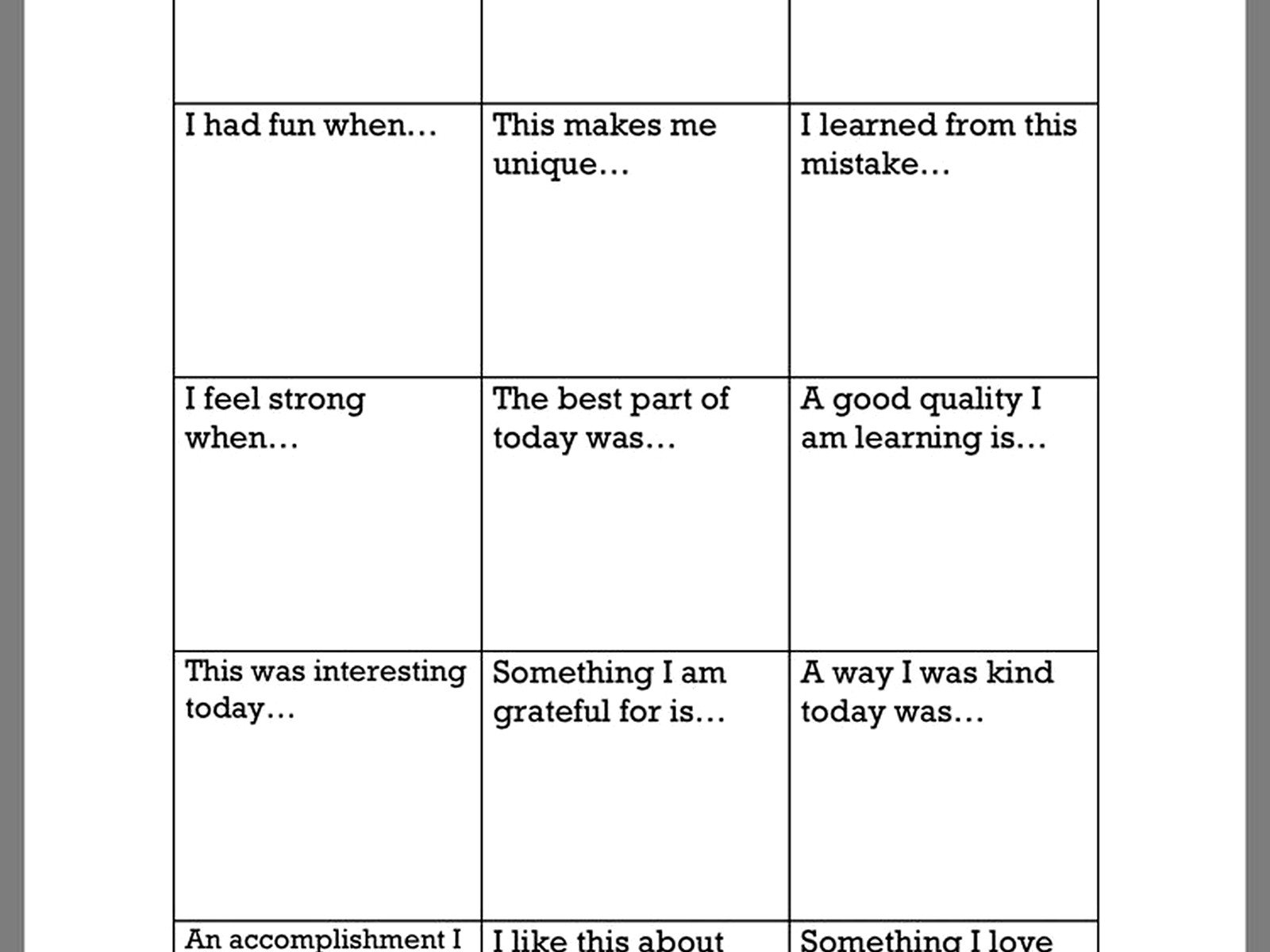
Self-esteem and identity worksheets might explore personal values, strengths inventories, or challenging negative self-talk. There are “letters to my younger self” prompts, “things I like about myself” lists, or exercises in separating self-worth from achievement. These can veer into toxic positivity territory if not done carefully—just listing positive qualities doesn’t address core beliefs about worthlessness, and pretending it does is frustrating for teenagers who see through that surface-level approach.
A Personal Annoyance Worth Mentioning
What genuinely bugs me is when worksheets are presented as standalone solutions. I’ve seen websites and even some school counselors hand teenagers a stack of printouts with essentially “here, fix yourself” energy. Worksheets are tools, not interventions by themselves. They work best when integrated into therapy, used with guidance, or at minimum introduced with context about why this particular exercise might be helpful and how to use it effectively.
The worst version of this is the “50 worksheets for teen mental health!” PDF bundles that are just… every possible worksheet loosely related to adolescence, with no organization or explanation. A teenager struggling with panic attacks doesn’t need a worksheet about setting boundaries with friends mixed in with one about college planning stress and another about grief. It’s overwhelming and counterproductive. Curation matters.
Digital vs. Paper Formats
There’s ongoing debate about this. Paper worksheets have the advantage of being tactile, screen-free, and easily accessible without technology. Some teenagers process better when writing by hand. You can stick a paper worksheet on your wall or keep it in a binder to review later.
Digital worksheets—PDFs you can type on, app-based tools, interactive web formats—appeal to teenagers who are already spending most of their time on devices anyway. They’re easier to store and organize, you can include interactive elements like sliders or clickable options, and there’s less chance of losing them. My cat knocked over my coffee onto a stack of printed worksheets last month and I definitely saw the appeal of cloud storage in that moment.
Honestly the best format is whichever one the individual teenager will actually use. Some need the ritual of sitting down with a physical paper and pen. Others will never touch anything that isn’t on their phone. There’s no superior option, just personal preference, and trying to force a format usually backfires.
How to Introduce Worksheets Without Resistance
Teenagers are allergic to anything that feels like homework, so framing matters enormously. Position worksheets as experiments or tools they’re testing out, not assignments they must complete. “Want to try this and see if it’s useful?” lands better than “You need to fill this out for next session.”
Explain the why before handing over the what. If a teenager understands that tracking their mood helps identify patterns that then inform which coping strategies to try, they’re more likely to engage than if you just say “track your mood because it’s good for you.” Teenagers have excellent bullshit detectors and they want logic.
Start small and build. One simple worksheet with a clear purpose beats five comprehensive ones that feel overwhelming. You can always add more tools as the teenager gets comfortable with the format and sees benefit. I learned this the hard way—or actually, I learned it by watching other counselors drown kids in paperwork and then wonder why they didn’t complete anything.
Make it collaborative when possible. Fill out a worksheet together during a session before asking them to do one independently. Or have the teenager customize a template—cross out questions that feel irrelevant, add their own categories, change the rating scale. Ownership increases engagement.
Subject Areas These Worksheets Cover
Social skills and relationship worksheets address friendship conflicts, communication strategies, boundary-setting, and reading social cues. These might include conversation starters, conflict resolution scripts, or diagrams of healthy vs. unhealthy relationship patterns. Particularly useful for teenagers who struggle with social anxiety or who are neurodivergent and benefit from explicit instruction in areas that seem intuitive to others.
Trauma-focused worksheets need to be used carefully and ideally within therapeutic relationships, not just handed out freely. They might address grounding techniques, creating safety plans, identifying triggers, or processing difficult memories through structured writing prompts. These should come with clear instructions about when to stop if the exercise becomes overwhelming.
Executive functioning worksheets help with planning, organization, time management, and breaking down large tasks. Think weekly planners designed specifically for students, project breakdown templates, or priority matrices. These are incredibly helpful for teenagers with ADHD or who struggle with the organizational demands of high school, which is… most of them, honestly.
Substance use worksheets explore triggers, consequences, motivations for using or not using, and relapse prevention planning. Some use motivational interviewing frameworks to examine ambivalence. These work best when they’re non-judgmental and focused on the teenager’s own goals rather than adult expectations.
Finding Quality Worksheets
Therapist Aid has a massive free collection organized by topic, age group, and therapeutic approach. The worksheets are well-designed, evidence-based, and actually usable. They also offer a paid version with more options but the free library is substantial.
PsychPoint and Between Sessions offer professional-grade worksheets, though many require subscriptions or individual purchases. The quality is generally higher than free internet resources, with better design and more sophisticated content, but you’re paying for that.
Many individual therapists and counselors share free worksheets on their websites or Teachers Pay Teachers accounts. Quality varies wildly—some are excellent and specific, others are generic or poorly designed. You kinda have to evaluate each one individually, which takes time but can yield really specific tools for particular issues.
Academic and medical institutions sometimes publish free resources. The Anxiety and Depression Association of America, the Child Mind Institute, and various university counseling centers offer downloadable worksheets. These tend to be more clinical and less visually engaging but are reliably evidence-based.
When Worksheets Aren’t Enough
Worksheets are supplemental tools, not replacements for actual therapy when a teenager is struggling with significant mental health concerns. If someone is experiencing suicidal ideation, severe depression, active psychosis, or dangerous behaviors, they need professional intervention—worksheets might be part of a treatment plan but they’re not the treatment itself.
Some teenagers simply don’t respond to worksheet-based approaches. Maybe they’re more verbal processors, maybe they need movement-based interventions, maybe they’re burned out on anything that resembles schoolwork. That’s fine and normal. There are dozens of other therapeutic modalities and tools. Worksheets are one option in a large toolkit, not a universal solution, and acting like every teenager should benefit from them equally is just… not how brains or people work.
You also need to consider cultural relevance and individual circumstances. A worksheet designed with assumptions about family structure, resources, or values that don’t match a teenager’s reality isn’t going to be helpful and might actually be alienating. Adaptation and customization matter.
ADHD & Neurodiversity
Life Planner Bundle – Life Organizer
Self-Care & Personal Growth
Acceptance And Commitment
Anxiety & Stress
Stress Processing Journal & Reflection Worksheets For Daily Self – Care
Self-Care & Personal Growth
Self – Reflection Guided Journal With Guided Prompts 30
Emotional Wellness
Decision Processing – Thought Processing Journal For Daily Self – Care
Therapist Resources
Physiotherapist Journal PDF Planner Tracker Or Log Book
Self-Care & Personal Growth
Customizable Self – Confidence & Self – Esteem Guided Journal
ADHD & Neurodiversity
ADHD Behavior Tracker PDF Planner Tracker Or Log Book